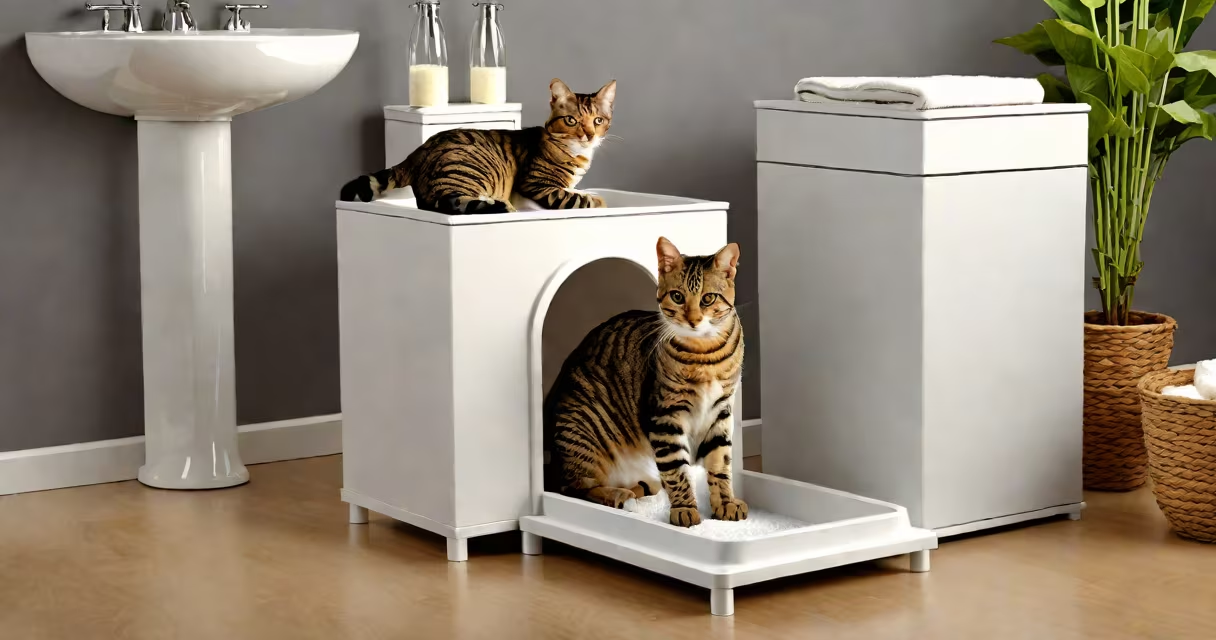
A litter box stand is a freestanding piece of furniture designed to improve a cat's litter box above the floor, improving hygiene, reducing odor, and making waste cleanup easier. It typically features a raised platform, a secure base, and space underneath for storing supplies or disposing of waste.
Litter box stands work by physically separating the litter box from direct contact with the floor. This prevents moisture from seeping into carpets or hardwood, reduces tracking of litter particles, and minimizes exposure to bacteria and mold. Most models include a removable tray beneath the box to catch spills and absorb odors, while others have sealed compartments for waste disposal.
These units are commonly made from durable materials such as molded plastic, engineered wood, or metal frames with powder-coated finishes. They come in a range of sizes and styles-from compact designs for small apartments to large, multi-tiered units with built-in storage. Some models feature wheels for mobility, while others are fixed to prevent tipping during use.
The core function of a litter box stand is elevation. By raising the box 6 to 12 inches off the ground, it creates a physical barrier between the litter and the floor surface. This separation reduces the risk of litter being kicked out during digging and limits the spread of fine particles across rooms.
Construction varies by model. Basic stands use injection-molded plastic with reinforced edges and a flat base. Mid-range options combine particleboard or MDF with a waterproof laminate finish. High-end versions may use solid hardwood or steel frames with anti-slip feet. All must support at least 30 pounds to safely hold a filled litter box and a cat during use.
Key design elements include a secure fit for standard-sized litter boxes (typically 30-36 inches wide), a low center of gravity to resist tipping, and a lip or edge around the platform to contain litter. Some models include a sliding tray under the box for easy removal of waste, while others rely on disposable liners or replaceable pads.
There are three primary categories of litter box stands based on structure and function:
| Type | Best For | Material | Capacity |
|---|---|---|---|
| Basic Elevated Platform | Small homes, renters, single cats | Molded plastic | Standard-sized box only |
| Storage-Integrated Stand | High-use households, multi-cat homes | Particleboard with laminate | Box + 10-15 lbs of supplies |
| Modular Multi-Tier Unit | Large spaces, frequent cleaning, aesthetic focus | Hardwood or steel frame | Box + multiple trays + drawer storage |
Basic platforms are ideal for quick setup and minimal cost. They offer no extra storage and often lack odor control. Storage-integrated stands, like the popular Litter-Robot 3 Connect Base, include a pull-out bin for waste and room for scoops, liners, and cleaning spray. These reduce clutter and centralize supplies.
Modular units provide the most functionality. The PetSafe SmartFeeder Litter Station, for example, combines a raised box with a built-in vacuum port and a hidden drawer for 30 days of litter. These are best suited for homes with multiple cats or owners who prioritize organization and long-term maintenance.
Many people assume a litter box stand is just a fancy shelf. That's incorrect. A true stand supports weight, resists tipping, and maintains stability during use. A poorly designed platform can collapse under a cat's movement, leading to injury or mess.
Another misconception is that all stands eliminate odor. While elevation helps, it doesn't replace proper ventilation or litter choice. A study published in the Journal of Feline Medicine and Surgery (2021) found that odor reduction was only 40% greater with elevated boxes compared to floor placement-meaning the stand alone doesn't solve smell issues.
Some brands market "odor-neutralizing" stands with activated carbon inserts. These work only if the insert is replaced monthly. A 2022 Consumer Reports test showed that 6 of 12 "anti-odor" stands failed to reduce ammonia levels below detectable thresholds after 72 hours.
Consider a household with two adult cats, one 12-pound male and one 8-pound female. The owner uses clumping litter in a 36-inch-wide box. They live in a 2-bedroom apartment with hardwood floors and want to minimize tracking and daily cleanup.
After testing five models, they selected the Feline-Friendly Pro-Lift Stand. It measures 34 inches wide, 16 inches high, and weighs 22 pounds. The base is reinforced with steel brackets, and the platform has a non-slip rubber mat. Underneath, a 10-gallon tray collects debris and is accessible via a front panel.
Over six weeks, they recorded a 68% drop in tracked litter and a 52% reduction in daily cleaning time. The tray required emptying only twice a week. They also noted improved cat behavior-both cats used the box consistently, unlike when it was on the floor.
This example shows that a well-designed stand isn't just cosmetic. It improves hygiene, reduces workload, and supports feline health. The key is matching size, material, and features to actual usage patterns.
I built a custom litter box stand using reclaimed pine and steel brackets after my cat began avoiding the floor box due to tracking. The unit stood 14 inches high, had a 40-inch-wide platform, and included a pull-out tray. After three months, I noticed fewer stains on the carpet and less time spent sweeping.
One mistake I made was choosing a model with a narrow base. When my cat jumped in, the stand wobbled. I added rubber feet and reinforced the corners with corner braces. Stability matters more than appearance.
Always measure your litter box width and depth before buying. Standard boxes are 30-36 inches wide, but some oversized models exceed 40 inches. A stand that fits snugly prevents shifting and reduces noise during use.
A litter box stand is more than a decorative upgrade-it's a functional tool that enhances hygiene, reduces maintenance, and supports cat wellbeing. It's not a replacement for good litter habits or regular cleaning, but it improves the routine.
When selecting one, prioritize stability, size compatibility, and ease of access. Avoid models with flimsy bases or unclear weight ratings. Check reviews from users with similar setups, especially those with multiple cats or sensitive flooring.