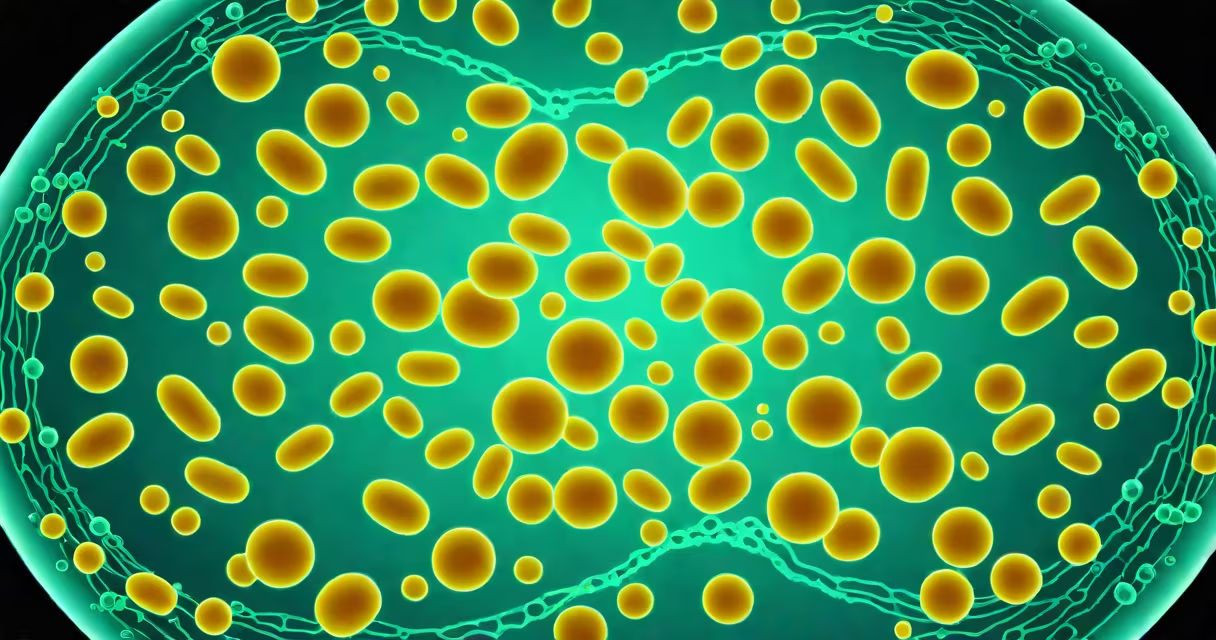
Microbiology is the scientific study of microscopic organisms-bacteria, viruses, fungi, protists, and archaea-that are too small to see with the naked eye. These organisms influence human health, environmental systems, food production, and biotechnology.
This discipline examines how microbes grow, interact, evolve, and affect larger biological systems. Researchers use microscopy, culturing techniques, genetic analysis, and biochemical assays to observe and manipulate microbial behavior. Understanding these processes enables breakthroughs in medicine, agriculture, and industrial applications.
For example, the development of mRNA vaccines during the SARS-CoV-2 pandemic relied heavily on microbiological research into viral replication and immune response mechanisms. Without insights from microbiologists, rapid vaccine design would not have been possible.
Microbiologists analyze microbes through controlled experiments and observational methods. They isolate organisms from soil, water, air, or human tissues using sterile techniques. Once isolated, microbes are grown in nutrient-rich media such as agar plates or liquid broth to observe growth patterns and metabolic activity.
Genetic tools like PCR (polymerase chain reaction) and DNA sequencing allow scientists to identify species, track mutations, and understand evolutionary relationships. For instance, whole-genome sequencing of *Mycobacterium tuberculosis* strains helped trace outbreaks and develop targeted treatments in high-risk regions.
Modern microbiology also integrates computational models to predict how microbial communities behave in complex environments like the human gut or marine ecosystems. These models simulate interactions between hundreds of species, revealing how disruptions-such as antibiotic use-can lead to dysbiosis and disease.
The core subjects of microbiology fall into five major categories:
| Organism Type | Size Range | Key Examples | Primary Research Focus |
|---|---|---|---|
| Bacteria | 0.5-5 micrometers | *Escherichia coli*, *Streptococcus pneumoniae* | Pathogenesis, antibiotic resistance, nitrogen fixation |
| Viruses | 20-400 nanometers | Influenza virus, HIV, SARS-CoV-2 | Host cell invasion, mutation rates, vaccine development |
| Fungi | 10-100 micrometers | *Saccharomyces cerevisiae*, *Aspergillus fumigatus* | Antifungal drug discovery, fermentation processes |
| Protists | 10-300 micrometers | *Plasmodium falciparum*, *Giardia lamblia* | Malaria transmission, intestinal infections |
| Archaea | 0.5-5 micrometers | Thermophiles in hydrothermal vents | Extremophile adaptation, early Earth biology |
Each group presents unique challenges and opportunities. Bacteria are often studied for their role in infection and immunity, while viruses demand attention due to their high mutation rates and potential for global spread. Fungi contribute to both spoilage and beneficial processes like bread leavening and antibiotic synthesis.
A lesser-known fact: archaea were once classified as bacteria but are now recognized as a distinct domain of life. They thrive in extreme environments-deep-sea vents, acidic hot springs, and salt flats-where no known eukaryotes survive. Their unique membrane chemistry and enzyme systems offer insights into the origins of cellular life.
Microbiology underpins many everyday technologies. Probiotics in yogurt and supplements rely on live cultures of *Lactobacillus* and *Bifidobacterium*. Industrial fermentation uses yeast (*Saccharomyces cerevisiae*) to produce ethanol in biofuels and beer. Bioremediation projects deploy specialized bacteria to break down oil spills and toxic waste.
Despite widespread awareness, people often confuse microbiology with immunology or virology. While related, they differ in focus: immunology studies the host's defense system, virology focuses solely on viruses, and microbiology encompasses all microscopic life forms. A single microbiologist may work across multiple subfields, but each requires distinct training and methodology.
Another misconception is that all microbes cause disease. Over 99% of microbial species do not harm humans. Many live symbiotically in our skin and gut microbiomes, aiding digestion, regulating immune function, and protecting against pathogens. The Human Microbiome Project found that individuals harbor over 10 trillion microbial cells-more than human cells in their bodies.
I once observed a student mislabel a sample as "pathogenic" based on appearance alone. After staining and culturing, it turned out to be *Bacillus subtilis*, a common soil bacterium used in probiotics and enzyme production. Visual cues alone cannot determine risk-laboratory confirmation is essential.
Understanding microbiology is critical for public health, food safety, climate science, and innovation. The World Health Organization reports that antimicrobial resistance (AMR) causes over 1.2 million deaths annually, underscoring the need for ongoing microbial research. New antibiotics, phage therapies, and diagnostic tools emerge from this field.
For students entering science, microbiology offers a foundation in experimental design, data interpretation, and ethical responsibility. It teaches how small-scale observations can lead to large-scale impacts-like eradicating smallpox or reducing hospital-acquired infections through sterilization protocols.
Microbiology is the study of microorganisms. Its principles govern life at scales invisible to the human eye-and shape outcomes from individual health to planetary ecosystems.