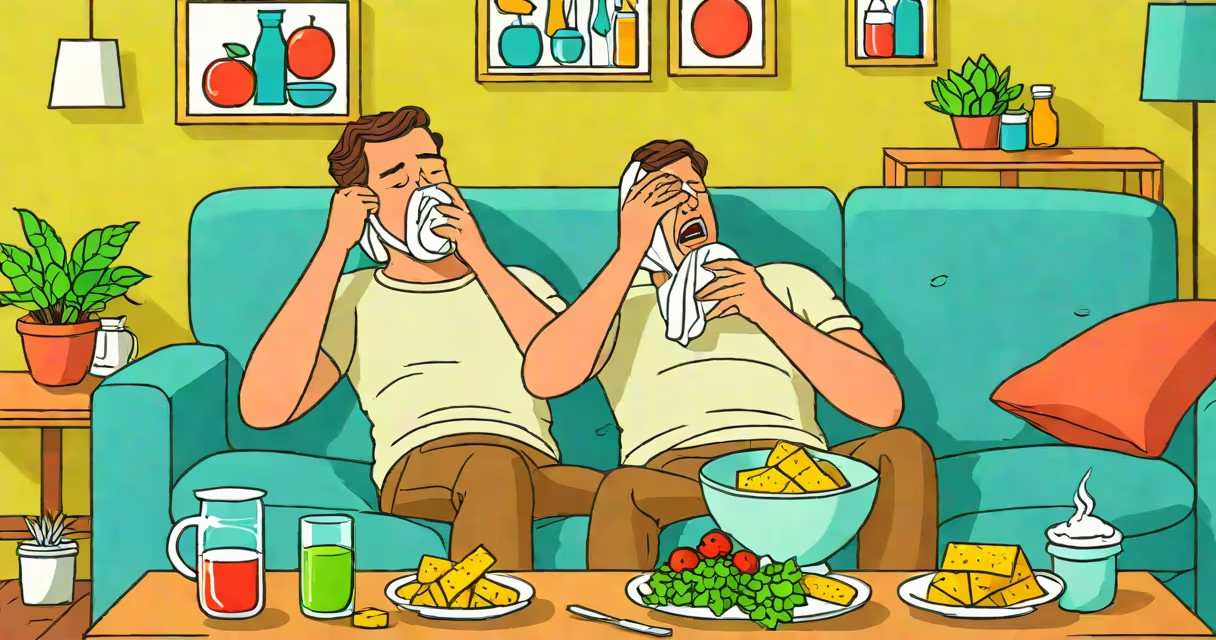
If you suspect food poisoning, begin by staying hydrated, avoiding solid foods until nausea passes, and monitoring for signs of dehydration or severe symptoms. Immediate action reduces risk of complications.
Food poisoning results from consuming contaminated food or drink containing bacteria, viruses, parasites, or toxins. Common culprits include Salmonella, E. coli, norovirus, and Listeria. Symptoms typically appear within hours to days after ingestion and may include nausea, vomiting, diarrhea, abdominal cramps, fever, and fatigue. The Centers for Disease Control and Prevention (CDC) estimates that each year, about 48 million Americans get foodborne illnesses, leading to 128,000 hospitalizations and 3,000 deaths.
Most cases resolve within 1-3 days without medical intervention. However, certain groups-including young children, older adults, pregnant people, and those with weakened immune systems-are at higher risk for severe outcomes. Prompt recognition of warning signs can prevent progression to life-threatening conditions.
Start with rehydration. Oral rehydration solutions (ORS) containing electrolytes are most effective. Sip small amounts frequently-about 1-2 tablespoons every 5 minutes-to avoid triggering further vomiting. Avoid sugary drinks, caffeine, and alcohol, which can worsen dehydration.
Once vomiting subsides, gradually reintroduce bland foods such as bananas, rice, applesauce, and toast (the BRAT diet). These are low-fiber and easy to digest. Avoid dairy, fatty foods, spicy items, and high-fiber vegetables during recovery. A study published in the journal *Clinical Infectious Diseases* found that early reintroduction of simple carbohydrates improved recovery time by an average of 1.5 days compared to fasting.
Rest is essential. Your body redirects energy to fight infection. Limit physical activity and prioritize sleep. If symptoms persist beyond 48 hours or worsen, seek medical evaluation. Do not delay care if you notice blood in stool, persistent high fever (>102°F/39°C), or signs of dehydration such as dry mouth, dizziness, or reduced urination.
Seek urgent care if you experience any of the following: inability to keep fluids down for more than 12 hours, bloody diarrhea, severe abdominal pain, confusion, or signs of shock (cold extremities, rapid pulse, low blood pressure).
High-risk individuals should consult a healthcare provider sooner. For example, pregnant people exposed to Listeria face a 10-fold increased risk of miscarriage or stillbirth. The CDC recommends testing for specific pathogens when symptoms last longer than 72 hours or involve neurological symptoms like muscle weakness or blurred vision.
Antibiotics are rarely needed and should not be taken without a doctor's prescription. Inappropriate use increases antibiotic resistance and can worsen outcomes in infections caused by Shiga toxin-producing E. coli (STEC), where antibiotics may increase the risk of hemolytic uremic syndrome (HUS)-a rare but serious condition affecting kidney function.
Many assume that vomiting and diarrhea must be stopped quickly. This is incorrect. These symptoms are the body's way of expelling harmful agents. Suppressing them with anti-diarrheal medications like loperamide can prolong illness and increase the risk of complications, especially in cases involving Salmonella or STEC.
Another myth is that all food poisoning requires antibiotics. The American College of Gastroenterology states that antibiotics are only indicated in specific bacterial infections such as Shigella or Campylobacter when diagnosed through lab testing. Using them otherwise disrupts gut microbiota and may lead to prolonged symptoms.
A third misconception is that food poisoning is always acute. Some forms, like botulism, progress slowly and can cause paralysis. Botulinum toxin affects nerves and can lead to respiratory failure within 12-36 hours. The CDC reports that even a single bite of improperly canned food can trigger this condition, which requires immediate antitoxin treatment.
Recovery varies by pathogen. Norovirus typically resolves in 1-3 days. Salmonella may last 4-7 days. E. coli O157:H7 infections often begin with watery diarrhea, progressing to bloody stools within 1-3 days. Full recovery can take up to two weeks, especially in older adults.
Track symptoms using a simple log: note onset time, frequency of bowel movements, presence of blood or mucus, fever readings, and fluid intake. This helps doctors identify patterns and rule out chronic conditions like inflammatory bowel disease.
After recovery, clean and sanitize kitchen surfaces, utensils, and cutting boards with a bleach solution (1 tablespoon per gallon of water). Wash hands thoroughly after handling raw meat or eggs. The CDC advises washing fruits and vegetables under running water-even pre-washed ones-to reduce contamination risk.
In 2022, a family of four experienced sudden onset of vomiting and diarrhea after eating grilled chicken at a picnic. The youngest child, aged 3, developed a fever of 103°F and showed signs of dehydration-sunken eyes and lethargy. The parents began giving oral rehydration solution and monitored closely. By the second day, the child's condition stabilized, but the mother noticed blood in her stool. She sought care at an urgent clinic, where a stool sample confirmed Shigella infection. She was treated with azithromycin and recovered fully in five days.
This case illustrates the importance of timely hydration and recognizing red flags. The mother initially delayed seeking care due to fear of overreacting, but early intervention prevented hospitalization.
| Action | Do This | Don't Do This |
|---|---|---|
| Hydration | Use ORS or clear broth; sip slowly | Drink large volumes quickly; consume soda or juice |
| Diet | BRAT diet after nausea subsides | Resume regular meals too soon; eat spicy or greasy food |
| Medications | Take acetaminophen for fever; avoid NSAIDs if dehydrated | Use loperamide or bismuth subsalicylate without consulting a provider |
| When to Seek Care | Severe dehydration, blood in stool, fever >102°F, confusion | Wait until symptoms disappear before seeking help |