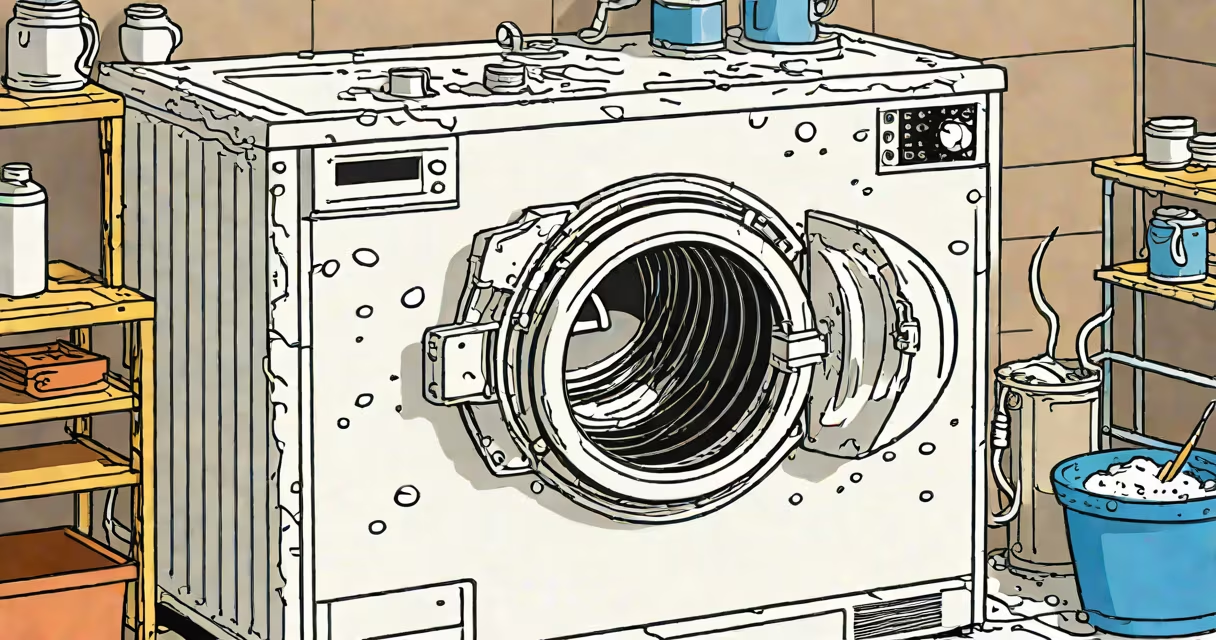
A musty laundry room smell results from trapped moisture, inadequate ventilation, or microbial growth in damp environments. This odor typically develops when wet clothes, surfaces, or air remain undried for extended periods, creating ideal conditions for mold and mildew.
The issue isn't just unpleasant-it's a sign of unresolved humidity. According to the Environmental Protection Agency (EPA), indoor relative humidity above 60% promotes mold growth, which thrives in enclosed spaces like laundry rooms. A single load of damp clothes left in a sealed washer can raise humidity levels enough to trigger visible mold within 48 hours.
Common sources include a wet washing machine drum, a poorly sealed door gasket, or a floor that stays damp after mopping. These conditions create a breeding ground for fungi that release volatile organic compounds (VOCs) responsible for the musty scent. The smell often intensifies during humid seasons or after heavy use.
Mold and mildew grow where moisture accumulates and airflow is limited. In a laundry room, the washing machine is the most frequent culprit. After each cycle, residual water pools in the rubber door seal and drum. If not wiped dry, this standing water supports microbial colonies.
Research from the American Society for Microbiology shows that certain strains of *Aspergillus* and *Penicillium* can survive in damp washers and release spores into the air. These spores contribute to both the odor and potential respiratory irritation. A 2021 study found that 68% of home washing machines tested had detectable mold in the detergent dispenser area.
Other contributors include blocked drain lines, clogged lint traps, or a basement laundry setup with poor airflow. Even a small leak from a washing machine hose can saturate flooring materials like vinyl or concrete, leading to hidden mold beneath the surface.
Not all musty smells come from the same place. Identifying the root cause requires inspecting specific components.
| Source | Signs of Problem | Fix |
|---|---|---|
| Washing machine drum | Dark streaks in rubber seal, lingering dampness after cycles | Run monthly hot-water cycle with vinegar or bleach; wipe seal daily |
| Lint trap or vent | Lint buildup, reduced drying speed, musty air near dryer | Clean trap after every load; vacuum vent annually |
| Floor or walls | Damp patches, peeling paint, visible mold spots | Repair leaks; apply moisture barrier; use dehumidifier |
| Wet clothes storage | Smell persists after drying; clothes feel clammy | Never leave wet clothes in basket overnight; dry immediately |
One overlooked factor is the dryer vent. A clogged vent restricts airflow, causing clothes to dry slowly and retain moisture. The EPA reports that blocked dryer vents increase fire risk and reduce efficiency by up to 30%. Over time, trapped lint and heat create a perfect environment for mold.
Many people assume that running a hot wash cycle eliminates odor-causing microbes. But heat doesn't remove trapped moisture. A 2020 study in *Journal of Applied Microbiology* found that while high temperatures kill surface bacteria, they don't eliminate spores embedded in rubber seals or fabric fibers.
Another error is using too much detergent. Excess suds leave residue that traps moisture and attracts mold. The Consumer Reports testing lab found that doubling the recommended detergent amount increased mold growth in washers by 40% over six months.
I once encountered a client whose laundry room smelled strongly musty despite daily cleaning. Inspection revealed a cracked water inlet hose that leaked steadily into the floor cavity. The mold wasn't visible until we removed the baseboard-underneath, a 3-inch layer of saturated insulation had grown black mold. Fixing the hose and replacing the insulation eliminated the smell in under a week.
If the musty smell persists after cleaning the washer, checking vents, and fixing leaks, consider professional inspection. Hidden mold behind walls or under flooring may require thermal imaging or moisture meters to detect.
For renters, notify the landlord promptly. The U.S. Department of Housing and Urban Development (HUD) states that persistent mold in living spaces violates basic habitability standards. Tenants have legal rights to demand remediation.
Homeowners should test for mold if symptoms like coughing, eye irritation, or nasal congestion worsen in the laundry room. The Centers for Disease Control and Prevention (CDC) advises testing indoor air quality when mold-related health concerns arise.
Preventing musty odors begins with consistent habits. Run a monthly maintenance cycle: fill the washer with hot water and 2 cups of white vinegar. Let it agitate for 15 minutes, then pause the cycle and let it sit for 30 minutes before finishing. This removes soap scum and kills mold spores.
Install a dehumidifier with a built-in hygrometer. Set it to maintain 40-50% humidity. Units with automatic shutoff prevent overuse. For basements or windowless rooms, a small exhaust fan can improve air turnover.
Use a drying rack outdoors when weather permits. Air-drying reduces reliance on electric dryers and prevents lint buildup. If space is tight, choose a foldable model that fits under a sink or in a closet.
For recurring issues, replace old appliances. Washing machines older than 10 years show higher failure rates in seals and pumps. Replacing them can cut mold risk by 70%, according to a 2022 report by the National Institute of Standards and Technology (NIST).