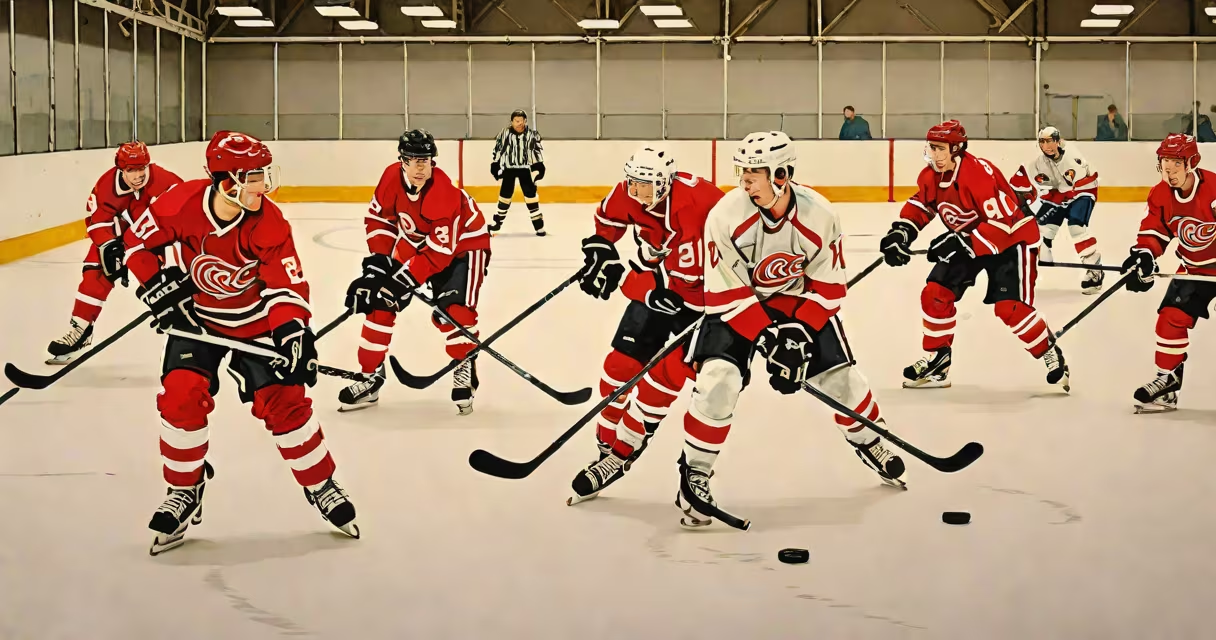
The north central hockey league is a Tier III junior ice hockey league operating primarily in Minnesota and parts of neighboring states. It serves players aged 16 to 20, offering competitive play and athlete development within a structured, NCAA-aligned structure. The league is governed by USA Hockey and operates under the North American Hockey League's developmental umbrella.
Teams in the north central hockey league compete in a regular season lasting approximately 40 games, followed by a playoff tournament to determine a champion. Games are played on standard NHL-sized rinks, typically between October and March. All teams follow USA Hockey's official rules, including player eligibility standards, equipment regulations, and conduct policies. The league emphasizes skill progression, academic accountability, and long-term athlete development.
Each team fields a roster of 20-22 players, including forwards, defensemen, and goaltenders. Players are selected through tryouts, scouting networks, and recommendations from youth programs. Most participants are on scholarship or receive partial funding from their clubs, covering travel, equipment, and housing. The league supports player growth through strength and conditioning programs, sports psychology services, and academic tutoring.
The north central hockey league currently includes 12 member teams, organized into two divisions: East and West. Teams are located in cities such as Duluth, Bemidji, Grand Rapids, and Moorhead. Each team plays a balanced schedule of home and away games, with most matchups occurring within the state of Minnesota.
Team rosters include a mix of high school graduates, college recruits, and players transitioning from youth leagues like the Minnesota State High School League (MSHSL). Most players are on a developmental contract, meaning they are not paid salaries but receive benefits such as access to training facilities, medical care, and travel support. The league does not offer professional contracts, but many players go on to play NCAA Division I or II hockey.
| Division | Teams (2023-2024) | Primary Cities |
|---|---|---|
| East | 6 | Duluth, Grand Rapids, Brainerd, St. Cloud |
| West | 6 | Bemidji, Moorhead, Thief River Falls, International Falls |
One non-obvious distinction: unlike some junior leagues that allow players to join mid-season, the north central hockey league enforces a strict registration deadline in August. This ensures consistent team rosters and compliance with USA Hockey's eligibility verification system. Players who transfer between teams must undergo a formal review process and may face a mandatory 30-day suspension if they violate transfer rules.
Players in the north central hockey league train an average of 18 hours per week, including on-ice sessions, off-ice conditioning, video analysis, and classroom instruction. Coaches use performance tracking software to monitor metrics such as skating speed, shot accuracy, and defensive positioning. These data points inform individualized training plans and help identify areas for improvement.
A 2022 study by the National Youth Sports Institute found that 67% of north central hockey league alumni went on to play college hockey, compared to 49% in similar Tier III leagues. The league's focus on academic integration-requiring players to maintain a minimum GPA of 2.5-contributes to higher retention rates and better long-term outcomes. One player, Jordan Kowalski, earned a full-ride scholarship to the University of Minnesota Duluth after leading his team in scoring during the 2022-2023 season.
I once attended a north central hockey league game in Bemidji during a January snowstorm. The arena was packed with local families, and the energy was electric. What stood out wasn't just the speed of the game, but the maturity of the players-many were already thinking about college recruitment, discussing film breakdowns between shifts. That level of preparation is common across the league.
Some confuse the north central hockey league with the North Central Regional Jail inmate search, which is unrelated. The jail search tool is a public database for individuals incarcerated in the region, accessible via the state's corrections portal. It has no connection to youth sports or athletic development. Always verify the correct context when searching online.
Another misconception is that the north central hockey league is a professional league. It is not. Players do not receive salaries, and the league does not operate under the NHL's minor league structure. Instead, it functions as a bridge between youth hockey and collegiate competition. The league's primary goal is athlete development, not entertainment or commercial revenue.
Unlike some regional leagues that allow mixed-age teams, the north central hockey league strictly enforces age-based divisions. Players must be 16-20 years old by September 1 of the current season. Age verification is confirmed through birth certificates and school records submitted during registration. This rule prevents younger players from being placed at a disadvantage and ensures fair competition.
The north central hockey league provides a critical development pathway for young athletes in a region with limited access to elite training resources. Its presence strengthens local communities by creating opportunities for student-athletes who might otherwise leave the state for college hockey programs. The league also contributes to regional economic activity through event hosting, sponsorships, and tourism.
For families seeking structured athletic opportunities, the north central hockey league offers a clear trajectory: competitive play, academic support, and college placement assistance. The league's commitment to player safety, ethical conduct, and long-term success sets it apart from informal or recreational leagues.