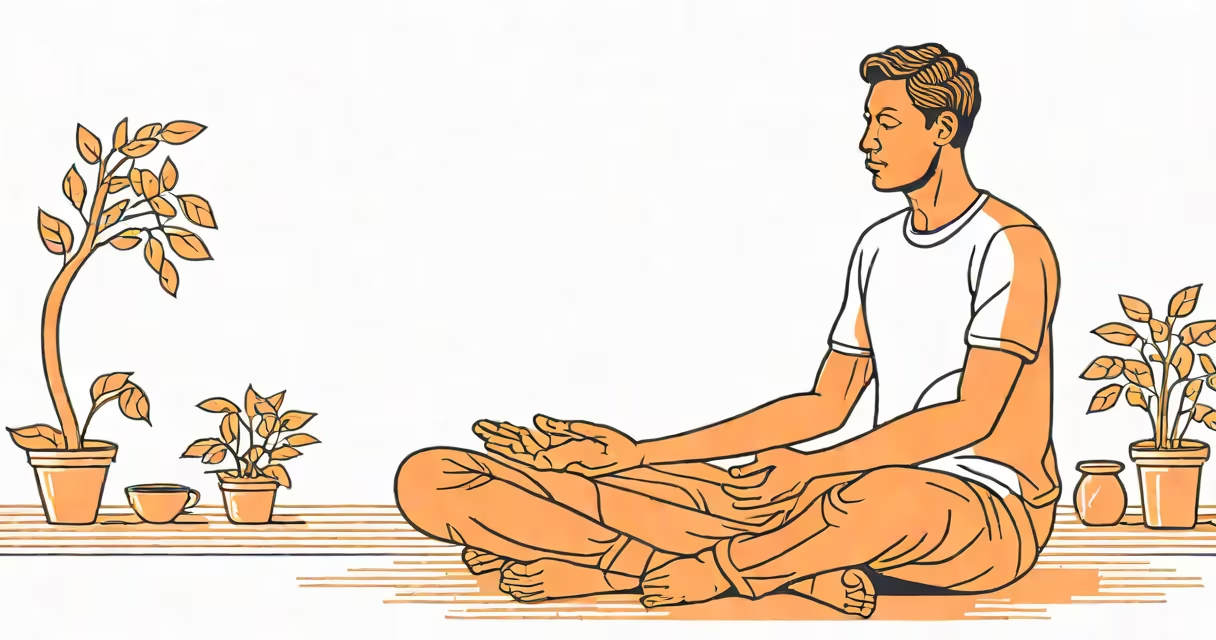
The definition of mental health refers to a state of well-being in which an individual realizes their own abilities, copes with normal life stresses, works productively, and contributes to their community. It is not merely the absence of mental illness but includes emotional regulation, cognitive resilience, and healthy interpersonal functioning.
Mental health operates across three core dimensions: emotional, psychological, and social. Emotional health involves recognizing and managing feelings effectively. Psychological health centers on cognitive clarity, self-esteem, and adaptability under pressure. Social health reflects the ability to form and maintain meaningful relationships and participate in community life.
According to the World Health Organization (WHO), mental health is "a state of well-being in which an individual realizes their own potential, can cope with the normal stresses of life, can work productively and fruitfully, and can make a contribution to their community." This definition emphasizes function, not just symptom absence. A person may have no diagnosed disorder yet still struggle with mental health if they lack coping strategies or support systems.
Mental health influences decision-making, attention span, and physical health outcomes. Chronic stress, poor sleep, and unresolved trauma can impair executive function, leading to difficulty concentrating or making choices. For example, someone experiencing persistent anxiety may avoid social events due to fear of judgment, even when those events are safe and enjoyable.
Neuroscientific research shows that prolonged stress alters brain chemistry. Cortisol levels remain elevated during chronic stress, shrinking the hippocampus-a region linked to memory and emotion regulation. This biological change reduces resilience and increases vulnerability to mood disorders, including depression and generalized anxiety disorder.
A 2021 study published in *The Lancet Psychiatry* found that individuals with high mental well-being had a 30% lower risk of developing cardiovascular disease over a 10-year period compared to those with low mental well-being. This illustrates that mental health is not isolated from physical health-it's interdependent.
Mental health is often misunderstood as synonymous with mental illness. That's incorrect. While mental illness refers to diagnosable conditions such as major depressive disorder or schizophrenia, mental health describes a spectrum of functional states. Someone can have excellent mental health despite living with a chronic condition.
Another misconception is that mental health only matters during crises. In reality, it's maintained through consistent habits: regular sleep, balanced nutrition, physical activity, and emotional expression. A 2022 report from the American Psychological Association noted that adults who exercised at least 150 minutes per week reported 25% less perceived stress than those who were inactive.
Some assume mental health is purely internal-something private and invisible. But it's shaped by environment and relationship quality. Living in unstable housing, facing discrimination, or lacking access to care impacts mental health outcomes. The CDC reports that people in low-income households are twice as likely to experience serious psychological distress compared to those in higher-income groups.
Mental health exists along a continuum. It ranges from thriving to struggling, with many fluctuating points in between. The following table outlines common states and their characteristics:
| State | Characteristics | Example |
|---|---|---|
| Thriving | High self-efficacy, positive outlook, strong relationships | A teacher who sets boundaries, processes feedback constructively, and volunteers regularly |
| Stable | Manages stress well, seeks help when needed | An employee who uses vacation days mindfully and discusses workload concerns with their manager |
| Struggling | Recurrent fatigue, irritability, withdrawal | A student who stops attending classes and avoids contact with friends after failing an exam |
| Crises | Hopelessness, suicidal ideation, inability to function | A veteran experiencing flashbacks and avoiding public spaces due to PTSD symptoms |
These states aren't fixed. A person can move between them based on circumstances. For instance, a stable worker may enter a struggling phase after a job loss, then return to stability with therapy and support.
Mental health is frequently conflated with mental wellbeing. While related, they differ in scope. Mental wellbeing focuses on positive attributes-resilience, optimism, purpose. Mental health includes both positive states and the capacity to manage dysfunction. You can have good mental wellbeing but still face clinical challenges requiring treatment.
Stress is another term often misused. Stress is a physiological response to demand. It becomes harmful when prolonged. The definition of stress in health identifies it as a reaction involving cortisol release, increased heart rate, and muscle tension. When stress persists beyond acute threat, it damages mental health. A 2020 study in *Nature Human Behaviour* showed that sustained stress reduced gray matter volume in the prefrontal cortex, impairing judgment and impulse control.
One non-obvious fact: mental health is not uniform across cultures. In collectivist societies, mental health may be assessed through family harmony and role fulfillment rather than individual autonomy. In Japan, for example, the concept of *amae*-a sense of secure dependency-plays a central role in emotional stability. Western models often overlook this cultural nuance, leading to diagnostic bias.
Consider Maria, a 34-year-old nurse working night shifts. She reports feeling drained, snapping at coworkers, and sleeping only four hours nightly. Her mood has declined over six weeks. She hasn't sought help because she believes she should endure hardship as part of her job.
Her situation reflects a decline in mental health-not because she has a disorder, but because her emotional, psychological, and social needs are unmet. She lacks recovery time, social connection during shifts, and emotional outlets. Her sleep deprivation impairs cognitive function, increasing error risk.
Interventions include adjusting her schedule to allow rest, joining a peer support group, and using mindfulness techniques. After eight weeks, her energy improves, she communicates more calmly, and she begins volunteering at a local clinic. Her mental health has improved through structural and behavioral changes-not medication.
This example shows that mental health is changing and responsive to environmental and personal adjustments. It's not a fixed trait but a set of skills and conditions that can be cultivated.