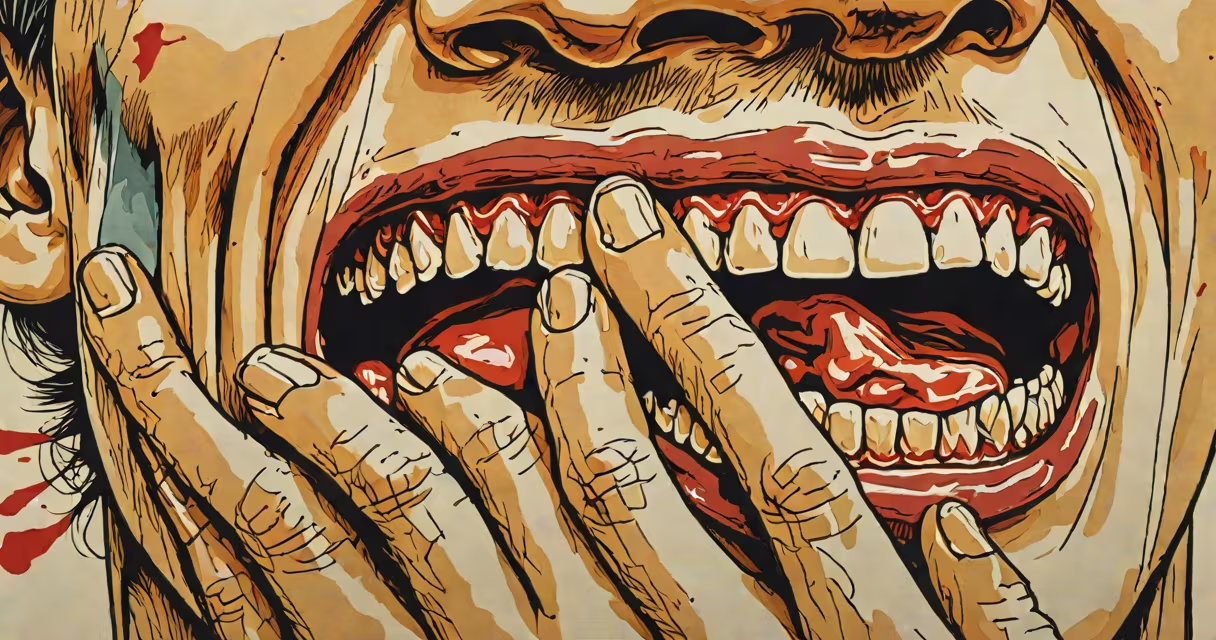
Pain in molars and jaw arises from issues affecting the teeth, jaw joints, or nerves, often indicating dental disease, temporomandibular joint (TMJ) dysfunction, or referred pain from nearby structures. It may present as sharp, dull, or throbbing discomfort localized to the back teeth or radiating into the face, ear, or neck.
This condition frequently results from untreated cavities, gum infections, or impacted wisdom teeth pressing on surrounding tissues. The temporomandibular joint, which connects the jawbone to the skull, can develop inflammation or misalignment, leading to pain during chewing or jaw movement. Nerve-related conditions such as trigeminal neuralgia may mimic molar pain but originate in the brain's facial nerve pathways.
According to the American Dental Association, untreated dental caries affect nearly 90% of adults by age 60, making tooth decay a primary cause of molar pain. The National Institute of Dental and Craniofacial Research notes that TMJ disorders affect 10 million Americans annually, with women between ages 20 and 40 most commonly affected.
Molars bear the brunt of chewing forces, making them vulnerable to wear, fracture, and infection. When decay penetrates the enamel and dentin, it reaches the pulp-the soft tissue containing nerves and blood vessels. Infection here triggers inflammation, causing intense, spontaneous pain that worsens with temperature changes or pressure.
The temporomandibular joint operates through coordinated muscle and ligament action. Dysfunction occurs when the joint disc slips out of alignment, muscles tighten due to stress or clenching, or arthritis damages cartilage. This leads to pain during yawning, chewing, or opening the mouth wide. The joint's proximity to the ear canal means pain can radiate to the ear, mimicking an ear infection.
Nerve pathways in the trigeminal system carry sensory signals from the face and mouth to the brain. When compressed or irritated-by tumors, dental procedures, or trauma-these nerves fire abnormal signals, resulting in sharp, electric-like pain that feels like it's shooting from the molar into the jaw and temple.
Conditions causing pain in molars and jaw fall into three categories: dental, musculoskeletal, and neurological. Each has distinct signs and requires different treatment paths.
| Type | Common Causes | Distinctive Symptoms | Typical Treatment |
|---|---|---|---|
| Dental | Cavity, abscess, cracked tooth, impacted wisdom tooth | Pain with hot/cold, swelling, bad taste, visible decay | Filling, root canal, extraction |
| Musculoskeletal (TMJ) | Bruxism, joint injury, arthritis, stress-induced clenching | Clicking or popping in jaw, limited mouth opening, facial tenderness | Stabilization splint, physical therapy, stress management |
| Neurological | Trigeminal neuralgia, postherpetic neuralgia, nerve compression | Sharp, stabbing pain lasting seconds, triggered by touch or movement | Medications (gabapentin), nerve blocks, surgery in refractory cases |
A 2021 study published in *The Journal of Oral Rehabilitation* found that 68% of patients reporting molar pain had no visible dental decay on X-ray, pointing to non-dental origins such as TMJ or nerve disorders. This highlights the risk of misdiagnosis when relying solely on visual exams.
Pain in molars and jaw typically develops in individuals with poor oral hygiene, high-stress lifestyles, or a history of jaw trauma. People who grind their teeth at night-often unaware-experience increased wear on molars and strain on the TMJ. A 2022 survey by the American Academy of Sleep Medicine showed that 30% of adults with sleep apnea report jaw pain, likely due to altered bite mechanics during sleep.
Wisdom teeth eruption commonly causes pain in the lower molars. When there's insufficient space, the tooth pushes against adjacent teeth or gums, leading to inflammation and infection. An impacted wisdom tooth can cause a cyst to form, damaging bone and neighboring teeth. A single case study from the *Journal of Oral and Maxillofacial Surgery* documented a patient whose unerupted third molar caused a 1.5 cm jaw bone lesion requiring surgical removal.
I once treated a 34-year-old woman who reported persistent molar pain on the left side. Initial X-rays showed no decay. After a CT scan, we discovered a small tumor compressing the mandibular nerve. Her pain vanished after surgical excision. This case underscores that pain in molars and jaw isn't always dental-it can signal serious underlying pathology.
Many assume molar pain always stems from a cavity. But pain in molars and jaw can originate from the joint, nerves, or even sinus issues. Sinus infections can press on the upper molar roots, creating pain that feels like a toothache. This is known as "sinus toothache" and resolves only when the sinus infection clears.
Another frequent error is attributing jaw pain to "tooth grinding" without confirming bruxism. While clenching is common, not all jaw pain comes from muscle tension. A 2020 review in *Clinical Oral Investigations* found that only 45% of patients diagnosed with TMJ disorder had confirmed bruxism during sleep studies. Overdiagnosing bruxism leads to unnecessary splints and delays proper treatment.
Ear pain is often mistaken for an ear infection when it actually stems from jaw problems. The TMJ lies just behind the ear canal. Inflammation here can refer pain to the ear, causing ringing or fullness. Patients may visit an ENT specialist only to find no ear issue-just a misaligned jaw joint.
Seek immediate evaluation if pain lasts more than 48 hours, spreads to the neck or eye, causes difficulty opening the mouth, or is accompanied by fever, swelling, or pus. These signs indicate infection or systemic involvement.
For chronic or recurrent pain, consult a dentist or oral surgeon. Imaging-like panoramic X-rays or MRI-is essential to rule out structural issues. If dental causes are ruled out, referral to a neurologist or TMJ specialist may be needed.
Pain in molars and jaw is not a normal part of aging. It signals a treatable condition, whether dental, joint-based, or neurological. Early intervention prevents complications like tooth loss, chronic pain, or permanent joint damage.