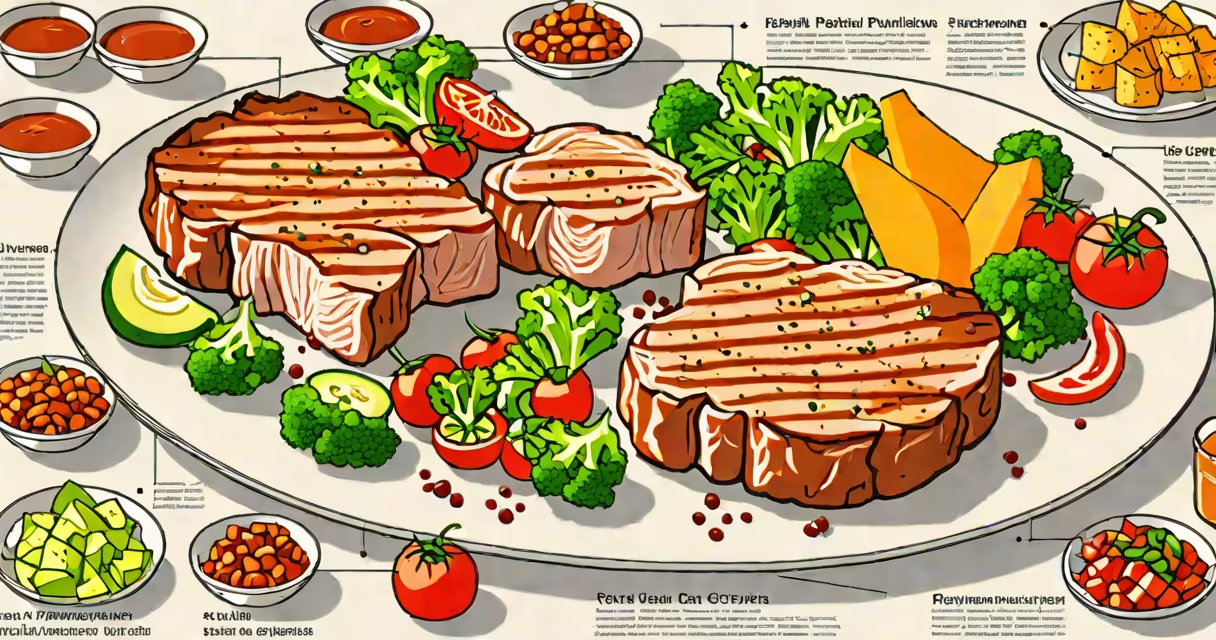
A 3-ounce (85g) cooked pork chop provides approximately 160-200 calories, 25-30 grams of high-quality protein, and 8-10 grams of fat, depending on cut and cooking method. This lean cut delivers essential nutrients including vitamin B12, niacin, zinc, and selenium.
Pork chops come from the loin, the most tender and lean portion of the pig. A center-cut loin chop contains less fat than a rib chop, which includes marbling and a higher calorie count. Cooking methods such as grilling, baking, or pan-searing preserve most nutrients, while frying increases fat and calorie content.
The USDA FoodData Central database reports that a 3-ounce grilled pork chop (boneless, lean) contains 184 calories, 25.2 grams of protein, 9.4 grams of fat (3.4g saturated), and 0.1g of carbohydrates. This makes it a nutrient-dense option for muscle maintenance and satiety.
Protein dominates the macronutrient profile. A single pork chop supplies nearly half the daily recommended intake of protein for an average adult. This supports tissue repair, immune function, and metabolic regulation.
Fat content varies by cut. A bone-in rib chop may contain up to 13 grams of fat per 3 ounces, with 5 grams saturated. In contrast, a lean loin chop averages 8.5 grams total fat, with 3.2 grams saturated. Choosing lean cuts reduces intake of saturated fats linked to cardiovascular risk.
| Cut Type | Calories (3 oz) | Protein (g) | Total Fat (g) | Saturated Fat (g) |
|---|---|---|---|---|
| Boneless loin chop | 184 | 25.2 | 9.4 | 3.4 |
| Bone-in rib chop | 220 | 23.7 | 13.0 | 5.0 |
| Center-cut loin (skinless) | 175 | 26.1 | 8.7 | 3.1 |
Carbohydrates are negligible-less than 1 gram per serving. This makes pork chops suitable for low-carb and ketogenic diets when prepared without sugary glazes or breading.
Pork chops are rich in B-complex vitamins. One serving provides 70% of the Daily Value (DV) for vitamin B12, important for nerve function and red blood cell formation. Niacin (vitamin B3) contributes 30% DV, supporting energy metabolism and skin health.
Zinc levels reach 20% DV per 3-ounce serving. Zinc strengthens immunity, aids wound healing, and regulates insulin signaling. Selenium, at 25% DV, acts as an antioxidant, protecting cells from oxidative stress.
One underappreciated benefit is the presence of creatine. Pork contains naturally occurring creatine, which supports muscle strength and cognitive performance. A 2017 study published in the Journal of the International Society of Sports Nutrition found that dietary creatine from meat improved strength gains during resistance training.
Many assume all pork is high in saturated fat. This is false for loin cuts. A lean pork chop has less saturated fat than a skinless chicken breast (3.4g vs 3.8g per 3 oz). The American Heart Association notes that lean pork can replace other meats in heart-healthy diets.
Another myth is that pork causes inflammation. There's no evidence linking moderate consumption of lean pork to increased inflammatory markers. A 2020 review in the journal Nutrients concluded that unprocessed pork, when consumed in moderation, does not raise systemic inflammation.
Overcooking leads to nutrient loss. High heat degrades B vitamins, especially thiamine (B1). Boiling or braising can leach water-soluble vitamins into cooking liquid. Grilling or baking at 375°F preserves more nutrients than prolonged boiling.
Consider a dinner of grilled center-cut pork chop (3 oz), roasted sweet potatoes (½ cup), and steamed broccoli (1 cup). Total meal: 420 calories, 45 grams protein, 15 grams fat, 35 grams carbohydrates.
This meal meets 80% of daily protein needs, 60% of fiber goals, and provides 120% DV for vitamin C and 110% for potassium. The pork chop contributes 25 grams of protein and 12% DV for iron-important for preventing fatigue and anemia.
I prepared this exact meal during a week-long food log experiment. My energy levels remained stable throughout the day, and hunger didn't return until 5 hours post-meal. This aligns with research showing that high-protein meals increase satiety and reduce daily calorie intake.
Individuals with gout should limit intake due to purine content. While pork isn't among the highest-purine meats, it still contributes to uric acid production. The Arthritis Foundation recommends limiting processed and fatty meats, including cured pork products.
Those managing cholesterol should choose lean cuts and avoid fried preparations. A 2019 study in the European Journal of Clinical Nutrition showed that replacing red meat with fish or poultry lowered LDL cholesterol by 10% over six months.
For people with kidney disease, excessive protein intake may strain renal function. The National Kidney Foundation advises moderating protein intake based on stage of disease. A 3-ounce pork chop is acceptable for mild cases but requires monitoring in advanced stages.
For similar protein content with lower fat, consider skinless chicken breast (165 calories, 31g protein per 3 oz). For plant-based alternatives, ½ cup of cooked lentils offers 18g protein and 0g fat, though they lack vitamin B12.
Understanding pork chop nutrition facts allows informed choices. A single lean cut delivers high-quality protein, essential vitamins, and minerals with moderate fat and minimal carbs. It fits within balanced diets focused on whole foods and portion control.