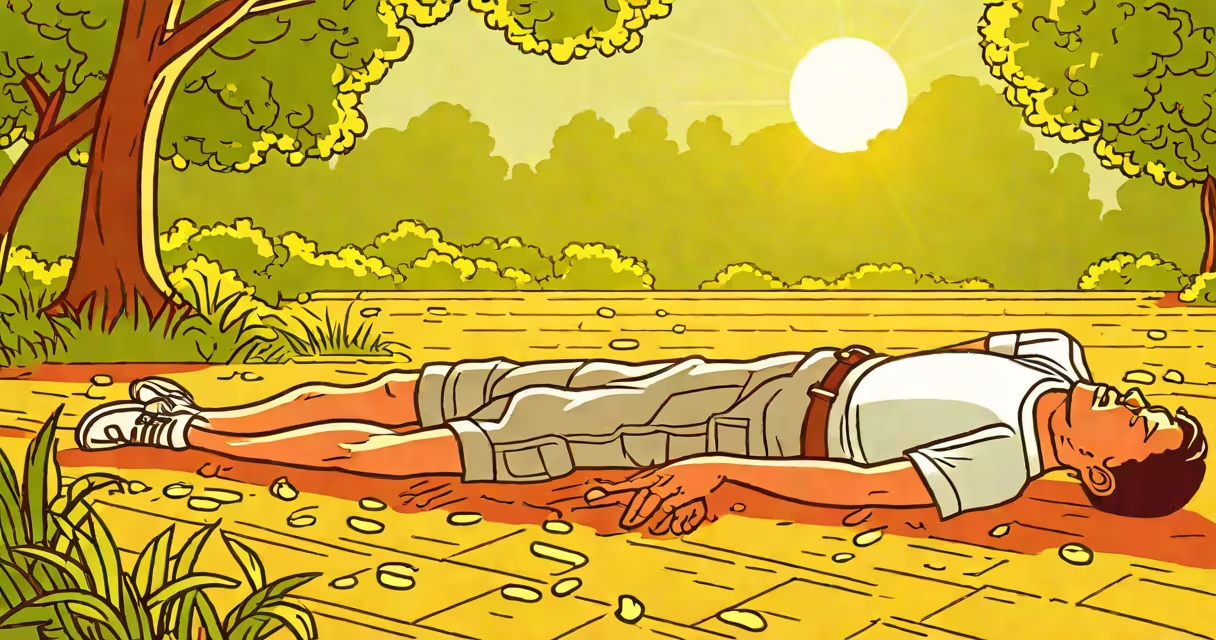
Fainting from overheating, medically known as heat-induced syncope, happens when elevated body temperature disrupts normal blood circulation, leading to a temporary loss of consciousness due to reduced blood flow to the brain. This condition typically occurs during prolonged exposure to high heat, especially when combined with dehydration or physical activity.
Heat-induced syncope results from a cascade of physiological responses. As core body temperature rises above 38°C (100.4°F), blood vessels near the skin dilate to release heat. This diverts blood away from important organs, including the brain. If the heart cannot maintain adequate pressure, cerebral perfusion drops, triggering a sudden loss of consciousness. The body's attempt to cool itself overrides autonomic regulation, causing a drop in blood pressure and heart rate-commonly seen in heat exhaustion and heat stroke precursors.
According to the American College of Sports Medicine, up to 15% of athletes experiencing heat stress report transient syncope during training in humid conditions. The risk increases when individuals wear heavy clothing or engage in intense exercise without acclimatization. A 2021 study published in *The Journal of Athletic Training* found that 62% of heat-related fainting episodes occurred within the first 30 minutes of activity in temperatures exceeding 32°C (90°F).
When ambient temperature exceeds 30°C (86°F), sweat production ramps up to cool the body. However, excessive sweating leads to fluid and electrolyte loss. Dehydration reduces plasma volume, decreasing cardiac output. The combination of low blood volume and peripheral vasodilation creates a mismatch between oxygen delivery and demand.
The autonomic nervous system responds by attempting to compensate through vasoconstriction and increased heart rate. But in extreme cases, this fails. A reflexive drop in heart rate-known as a vagal response-can occur, particularly if someone stands still after exertion. This triggers a sudden fall in blood pressure, leading to syncope. The process is similar to vasovagal fainting but triggered by thermal stress rather than emotional stimuli.
A real-world example: During a summer football camp in Texas, a 17-year-old player collapsed after 15 minutes of drills in 35°C (95°F) heat with 60% humidity. He had not consumed fluids for over two hours prior. Emergency responders confirmed his core temperature was 39.1°C (102.4°F) and he lost consciousness for 45 seconds. After cooling and rehydration, he recovered fully. This case illustrates how overheating alone can precipitate fainting, even in otherwise healthy individuals.
While fainting from overheating is a single clinical phenomenon, it manifests in different contexts based on environmental and individual factors. The most common scenarios include:
| Type | Trigger | Typical Setting | Prevalence |
|---|---|---|---|
| Exertional heat syncope | Physical activity in heat | Sports, military training | Most common in young adults |
| Non-exertional heat syncope | Prolonged standing in heat | Outdoor events, crowded festivals | Higher in elderly or those with cardiovascular issues |
| Heat exhaustion with syncope | Dehydration + heat exposure | Construction work, hiking | Accounts for ~70% of heat-related fainting cases |
Fainting from overheating is distinct from fainting caused by neurological or cardiac issues. It rarely involves seizures or prolonged confusion. Recovery is typically rapid-within 1 to 3 minutes-once the person lies down and cools down.
Many assume fainting from overheating is the same as heat stroke. That's incorrect. Heat stroke involves a core temperature above 40°C (104°F), altered mental status, and organ dysfunction. Fainting from overheating usually occurs at lower temperatures and resolves quickly without lasting damage.
Another misconception is that fainting only happens in direct sunlight. In reality, indoor environments-such as poorly ventilated gyms, kitchens, or industrial settings-can reach dangerous levels. A 2020 CDC report noted that 23% of heat-related syncope cases occurred indoors, often during shifts in factory or warehouse work.
Some people confuse this with orthostatic hypotension-dizziness upon standing. While both involve low blood pressure, orthostatic fainting occurs rapidly after sitting or lying down and is not tied to temperature. Heat-induced syncope develops gradually and is worsened by heat exposure.
Preventing fainting from overheating requires proactive measures. The Centers for Disease Control and Prevention recommends drinking 500 mL of water every hour during sustained outdoor activity in temperatures above 30°C. Wearing lightweight, breathable clothing and avoiding peak sun hours (10 a.m. to 4 p.m.) further reduces risk.
If someone collapses from overheating, move them to a shaded area immediately. Lay them flat with legs elevated to promote blood flow to the brain. Apply cool, wet cloths to the neck, armpits, and groin. Rehydrate with oral fluids if conscious. Seek medical care if symptoms persist beyond five minutes or if confusion follows recovery.
I once observed a marathon volunteer faint during a 38°C (100°F) race. She had been standing for two hours in the sun without shade. After being laid down and cooled with ice packs, she regained awareness in under two minutes. Her recovery was complete, but she later reported dizziness for several hours. This experience underscored how quickly heat stress can overwhelm even fit individuals.
Fainting from overheating is preventable with proper hydration, acclimatization, and environmental awareness. Recognizing early warning signs-lightheadedness, nausea, cold sweat-can stop progression to unconsciousness. Understanding the difference between heat syncope and more serious conditions ensures appropriate response and long-term safety.