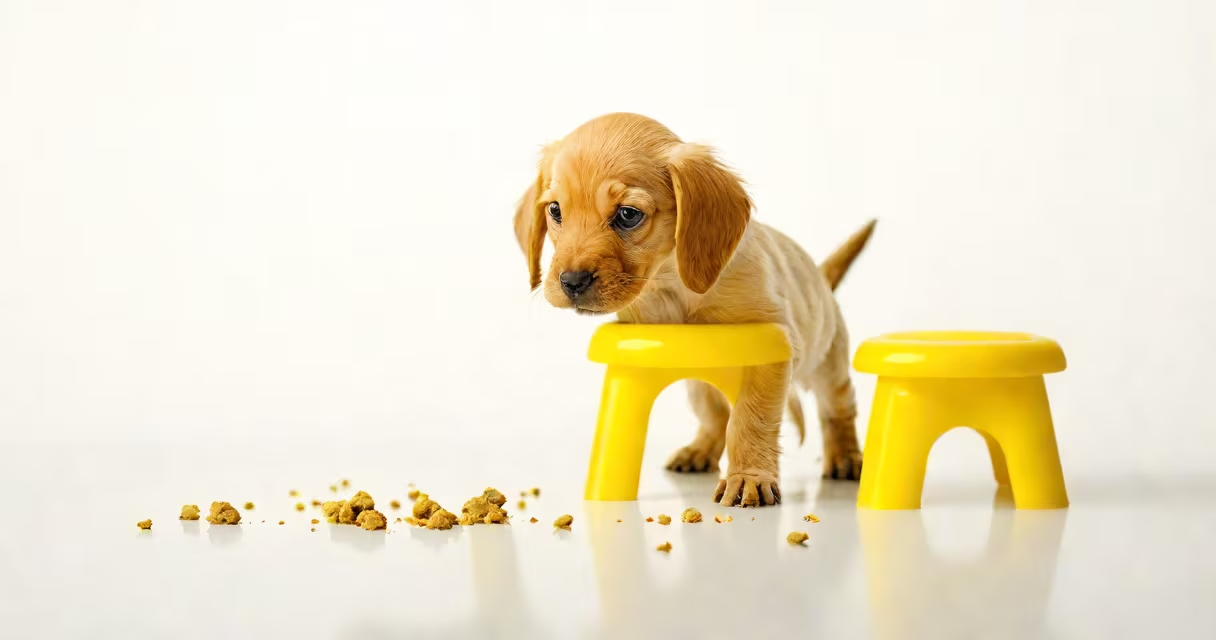
Puppy yellow poop is loose, pale yellow feces that may indicate digestive distress, dietary changes, or an underlying health issue. It appears when bile isn't properly broken down or when food moves too quickly through the intestines.
Yellow stool in puppies results from incomplete digestion of fats and bile pigments. Bile, produced in the liver and stored in the gallbladder, turns stool brown during normal transit. When digestion is disrupted, bile doesn't break down fully, leaving stool pale or yellow. This can happen due to stress, sudden diet changes, infections, or parasites.
Normal puppy stool ranges from light tan to dark brown. Yellow stool deviates from this baseline. While occasional yellow stools may resolve on their own, persistent or recurring cases require attention. A single episode after eating something unusual isn't alarming. But if yellow stool lasts more than 24 hours, especially with vomiting, lethargy, or loss of appetite, it's a red flag.
The color of a puppy's stool depends on how long food spends in the gastrointestinal tract. In healthy dogs, bile turns feces brown as they pass through the small intestine. If food moves too fast-due to infection, stress, or poor diet-bile doesn't break down completely, resulting in yellow or mustard-colored stool.
When a puppy eats something unfamiliar, such as table scraps or a new kibble brand, the gut microbiome may struggle to process it. This leads to rapid transit and undigested fat, which shows up as greasy, yellow stool. Some puppies also develop temporary lactose intolerance after weaning, causing yellow, frothy diarrhea when given milk or dairy-based treats.
A 2022 study published in the Journal of Veterinary Internal Medicine found that 68% of puppies presenting with yellow or pale stools had either parasitic infections (like Giardia) or bacterial overgrowth. These conditions disrupt nutrient absorption and alter stool color and consistency.
Several factors cause yellow stool in puppies. Not all are serious, but knowing the difference helps determine urgency.
| Cause | Stool Appearance | Associated Symptoms | When to Act |
|---|---|---|---|
| Diet change | Yellow, soft, sometimes oily | Mild discomfort, increased frequency | Resolves in 12-24 hours; monitor hydration |
| Parasites (e.g., Giardia) | Yellow, foamy, foul-smelling | Vomiting, weight loss, dehydration | See vet within 24 hours |
| Bacterial overgrowth | Yellow, mucousy, inconsistent | Abdominal bloating, gas, reduced appetite | Monitor for 2 days; seek care if worsening |
| Food intolerance | Yellow, watery, frequent | Itching, skin irritation, ear infections | Eliminate suspect food; test new diet |
One non-obvious distinction: yellow stool from parasites often contains mucus or appears foamy. This differs from mild diet-induced yellow stool, which is softer but not necessarily frothy. Foamy yellow stool is a sign of intestinal inflammation and requires veterinary testing.
I once observed a 10-week-old Dachshund puppy with yellow, foamy stools and mild dehydration. The owner reported switching from a grain-free kibble to a beef-based one overnight. After removing the new food and offering plain boiled chicken and rice, the stool normalized within 18 hours. But when the owner reintroduced the old kibble, symptoms returned. This confirmed a food sensitivity, not an infection.
Yellow stool becomes concerning when it persists beyond 24 hours, especially if paired with systemic signs. The American Kennel Club notes that puppies under 16 weeks are vulnerable to dehydration from fluid loss. Even a single episode of yellow diarrhea can lead to rapid decline in young animals.
Seek immediate care if your puppy shows:
Testing typically includes a fecal float to detect parasites and a fecal smear for Giardia. Blood work may follow if dehydration or systemic illness is suspected. Treatment varies: antibiotics for bacterial overgrowth, antiparasitics for Giardia, or dietary management for food sensitivities.
Do not give human medications like loperamide (Imodium) to puppies without vet guidance. These drugs can worsen certain infections or cause severe side effects in young animals. The FDA warns against using over-the-counter anti-diarrheals in pets under 12 weeks.
Instead, offer a bland diet: 1 part boiled boneless chicken or lean ground turkey to 2 parts cooked white rice. Serve small portions every 2-3 hours. Monitor hydration by checking gum moisture and skin elasticity. If gums feel dry or skin tents when pinched, dehydration is likely.
Recovery time depends on the cause. Dietary changes may resolve in 12-24 hours. Parasitic infections often clear in 3-5 days with treatment. Always reintroduce regular food slowly after recovery to prevent relapse.
Understanding puppy yellow poop helps identify early warning signs. It's not always a crisis-but consistent or worsening yellow stool demands action. Monitoring stool color, consistency, and behavior gives insight into your puppy's internal health.