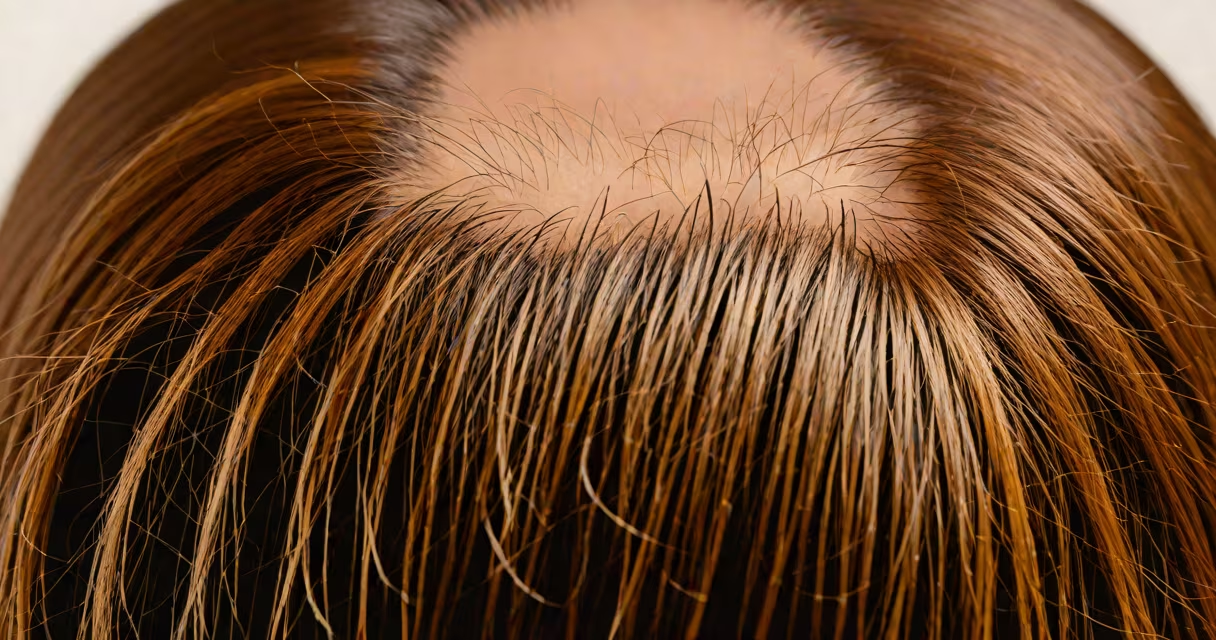
Hair loss in women over 60 results primarily from declining estrogen levels during and after menopause, genetic predisposition, and underlying health conditions such as thyroid disorders or iron deficiency. This shift alters the hair growth cycle, leading to reduced density and increased shedding.
Estrogen supports hair follicle longevity and slows the transition into the resting phase. As estrogen drops after menopause-typically between ages 45 and 55-follicles shorten their growth phase and enter telogen (resting) earlier. By age 60, many women experience noticeable thinning, especially at the crown and along the part line.
Medical studies confirm that 50% of women over 60 report visible hair thinning, with 30% citing it as a major concern affecting self-image. The American Academy of Dermatology notes that postmenopausal hair loss often mimics male-pattern baldness, though it rarely leads to complete baldness in women.
After age 60, the hair growth cycle becomes imbalanced. Follicles spend less time in the anagen (growth) phase and more in telogen (shedding). This shift reduces the number of actively growing hairs, leading to diffuse thinning rather than patchy bald spots.
Each day, a healthy scalp sheds 50-100 hairs. In women over 60, shedding may rise to 150-200 daily due to hormonal fluctuations. A study published in the Journal of Clinical Endocrinology & Metabolism found that women with low estradiol levels had 40% fewer terminal (thick) hairs compared to those with normal levels.
Stress, poor nutrition, and certain medications accelerate this process. For example, beta-blockers used for high blood pressure can trigger telogen effluvium-a condition where stress pushes large numbers of follicles into rest simultaneously. Recovery takes 6-9 months after the stressor ends.
Three main categories explain hair loss in women over 60: hormonal, genetic, and medical. Understanding which applies helps determine treatment options.
| Type | Key Features | Prevalence in Women Over 60 | Common Triggers |
|---|---|---|---|
| Androgenetic alopecia | Thinning at crown, widening part, gradual recession at temples | 60-70% | Genetics, rising androgens relative to estrogen |
| Telogen effluvium | Sudden shedding, often after surgery, illness, or emotional trauma | 15-25% | Stress, nutritional deficits, medication side effects |
| Medical conditions | Diffuse thinning, sometimes with brittle or dull hair | 10-15% | Thyroid disease, iron deficiency, lupus, diabetes |
Androgenetic alopecia is the most common cause. It occurs when dihydrotestosterone (DHT)-a derivative of testosterone-sensitizes genetically prone follicles. Even low levels of DHT can shrink follicles over time. Research from the National Institutes of Health shows that women with a family history of hair loss are twice as likely to develop this condition after 60.
Iron deficiency affects nearly 20% of women over 60. Hemoglobin levels below 12 g/dL correlate with increased shedding. A 2021 study in the journal *Dermatology* found that correcting iron levels reversed hair loss in 68% of participants within six months.
One non-obvious distinction: hair loss after 60 is rarely caused by dandruff or seborrheic dermatitis. While these conditions can worsen existing thinning, they do not initiate permanent hair loss. True alopecia requires deeper physiological triggers.
Not all thinning is age-related. Sudden or patchy hair loss may signal an underlying issue. The Mayo Clinic advises evaluating hair loss if it progresses rapidly, affects the entire scalp, or appears with fatigue, weight changes, or skin rashes.
For example, a 63-year-old woman reported losing half her hair in three months after starting a new blood pressure medication. Blood tests revealed low ferritin (iron stores) and elevated TSH (thyroid-stimulating hormone). After adjusting her meds and supplementing iron, hair regrowth began within four months.
Another case involved a 67-year-old woman whose hair thinning coincided with joint pain and dry eyes. A rheumatologist diagnosed systemic lupus erythematosus. Once treated, her hair stabilized. Autoimmune diseases can attack hair follicles directly, making early diagnosis critical.
I've seen patients assume thinning is inevitable. But during a clinic visit, one woman realized her hair loss began after a fall that led to a prescription for gabapentin. Switching to a different drug halted further shedding. Medication side effects are underreported but treatable.
If you're over 60 and experiencing significant hair thinning, see a dermatologist or endocrinologist. Blood work should include TSH, free T4, ferritin, vitamin D, and testosterone levels. A scalp biopsy may be needed if patterns suggest scarring alopecia.
Treatment options vary. Topical minoxidil 5% is FDA-approved for women and shows 30% improvement in hair count after 12 months. Oral spironolactone may be prescribed off-label for androgen-driven loss, but only after ruling out contraindications.
Non-medical approaches include low-level laser therapy (LLLT), which stimulates follicles. A 2020 randomized trial showed 25% greater hair density in women using LLLT devices three times weekly versus placebo.
For women concerned about appearance, scalp micropigmentation offers a cosmetic solution. It simulates a shaved look with pigment dots, providing immediate visual improvement. It's not a cure but can boost confidence during recovery.
Reasons for hair loss in women over 60 are multifactorial. Hormonal decline, genetics, and health issues interact to reduce hair density. Recognizing the signs early allows targeted action. Treatment success depends on identifying the correct cause-not just treating the symptom.