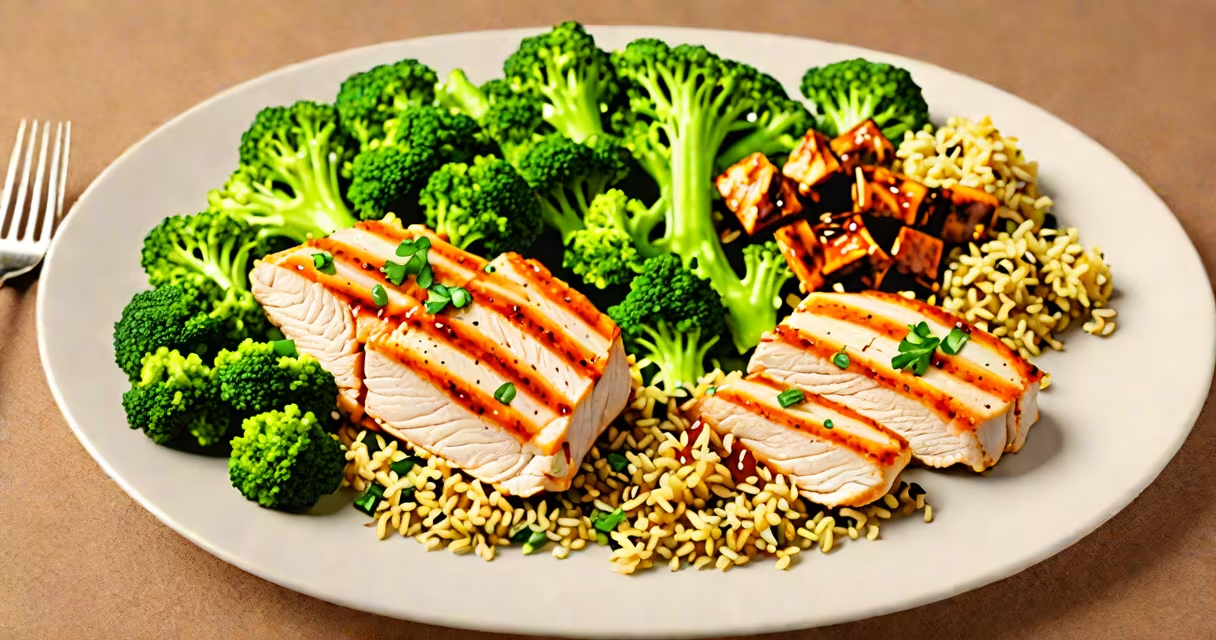
Recommended protein intake is the amount of dietary protein deemed sufficient to maintain muscle mass, support immune function, and meet metabolic needs for most healthy adults, typically ranging from 0.8 to 2.2 grams per kilogram of body weight per day based on activity level and life stage.
The baseline recommendation from the Institute of Medicine's Food and Nutrition Board sets 0.8 grams of protein per kilogram of body weight per day as the minimum required to prevent deficiency in sedentary adults. This value equates to about 56 grams per day for a 70-kilogram (154-pound) person. However, this figure represents the lowest threshold for adequacy-not an optimal intake for long-term health or performance.
For individuals engaging in regular resistance training, endurance exercise, or recovering from injury, higher intakes are supported by research. The American College of Sports Medicine recommends 1.2 to 2.0 grams per kilogram per day for athletes and active people. A 70-kilogram athlete aiming for muscle retention during intense training would need between 84 and 140 grams of protein daily. These values are backed by randomized controlled trials showing improved lean mass gains and faster recovery times when protein intake stays within this range.
Protein needs are calculated using nitrogen balance studies, which measure how much nitrogen is retained versus excreted. When nitrogen intake equals nitrogen loss, the body is in balance-this point defines the minimum requirement. Researchers then test higher levels to find the intake that maximizes retention without excess waste.
Modern methods include stable isotope tracer techniques and whole-body protein turnover measurements. These show that protein synthesis peaks at around 1.6 grams per kilogram per day in trained individuals. Beyond that, additional protein doesn't increase muscle accretion, though it may still benefit satiety and kidney function in certain populations.
A 2023 review published in the journal Nutrients analyzed 27 clinical trials involving over 1,200 participants and confirmed that protein intakes above 1.6 g/kg/day did not yield greater strength or hypertrophy gains in resistance-trained men compared to intakes at 1.6 g/kg/day. This suggests a ceiling effect for muscle-building benefits, reinforcing that "more" isn't always better.
Not all proteins are equal in biological value. Complete proteins-those containing all nine essential amino acids-include animal sources like eggs, dairy, meat, and fish. Plant-based sources such as soy, quinoa, and legumes are complete but often lower in leucine, the key trigger for muscle protein synthesis.
Leucine threshold theory explains why distribution matters. To maximize muscle protein synthesis, each meal should deliver 2.5 to 3.0 grams of leucine. A 100-gram serving of chicken breast provides about 3.5 grams of leucine, while the same amount of lentils delivers only 1.2 grams. Therefore, someone relying solely on plant proteins may need to consume larger volumes to reach the same anabolic signal.
| Protein Source | Protein per 100g | Leucine per 100g | Biological Value |
|---|---|---|---|
| Grilled chicken breast | 31g | 2.7g | 90 |
| Whole milk | 3.4g | 0.4g | 85 |
| Soybeans (cooked) | 16.6g | 1.2g | 73 |
| Lentils (cooked) | 9g | 0.8g | 60 |
These differences mean that two people consuming the same total daily protein may have different outcomes depending on food quality and meal timing. A bodybuilder eating 120 grams of chicken across three meals will achieve a stronger anabolic response than someone consuming 120 grams of lentils spread unevenly throughout the day.
One widespread myth is that high protein intake damages kidneys in healthy people. A 2021 meta-analysis in Journal of the International Society of Sports Nutrition found no evidence of renal impairment in individuals with normal kidney function consuming up to 2.5 grams per kilogram per day over 12 months. Kidney damage occurs only in those with pre-existing chronic kidney disease, not due to protein load itself.
Another error is assuming that protein needs remain constant across life stages. Older adults require more protein to counteract sarcopenia-the age-related loss of muscle mass. The PROT-AGE Study Group recommends 1.0 to 1.2 grams per kilogram per day for adults over 65, rising to 1.2 to 1.5 grams per kilogram per day for those with frailty or illness. This is 50% higher than the standard adult recommendation.
When calculating personal intake, many overlook the role of protein timing. Spreading protein evenly across meals-about 25 to 35 grams per meal-optimizes muscle protein synthesis. A single large meal delivering 60 grams of protein results in less efficient utilization than distributing the same amount across three smaller meals.
Consider a 35-year-old woman weighing 60 kilograms who trains four days a week and wants to build lean muscle. Her goal is to stay in positive nitrogen balance while supporting recovery.
Based on her activity level, she falls into the 1.6 to 2.0 g/kg/day range. Multiplying 60 kg × 1.8 g = 108 grams of protein per day. She divides this into three meals: 35 grams at breakfast, 35 grams at lunch, and 38 grams at dinner.
Her meals include: scrambled eggs (12g), Greek yogurt (15g), smoked salmon (22g), chickpeas (10g), and a whey protein shake (25g). Total: 107 grams. She meets her target through diverse sources, including both animal and plant proteins. This pattern aligns with research showing that protein distribution matters more than total daily intake for muscle growth.
Recommended protein intake guides public health policy, nutrition labeling, and clinical practice. The USDA's MyPlate guidelines suggest including a protein-rich food at every meal. The World Health Organization includes protein targets in global nutrition benchmarks for child development and maternal health.
For people managing diabetes, higher protein intake improves glycemic control. A 2022 trial in Diabetes Care showed that replacing 15% of carbohydrate calories with protein reduced postprandial glucose spikes by 22% in type 2 diabetics. This makes protein intake a practical tool in metabolic management.
Even in older adults with limited appetite, increasing protein density in meals-adding egg whites to soups or blending protein powder into smoothies-can prevent malnutrition without requiring increased volume. A 2020 study in Clinical Nutrition found that older adults who consumed high-quality protein at breakfast had 30% better muscle maintenance over six months compared to those with low-protein breakfasts.
Understanding recommended protein intake isn't about following a rigid number. It's about matching intake to physiology, activity, and purpose. Whether supporting athletic performance, preserving independence in aging, or managing disease, protein is a foundational nutrient-one that functions best when applied with precision.