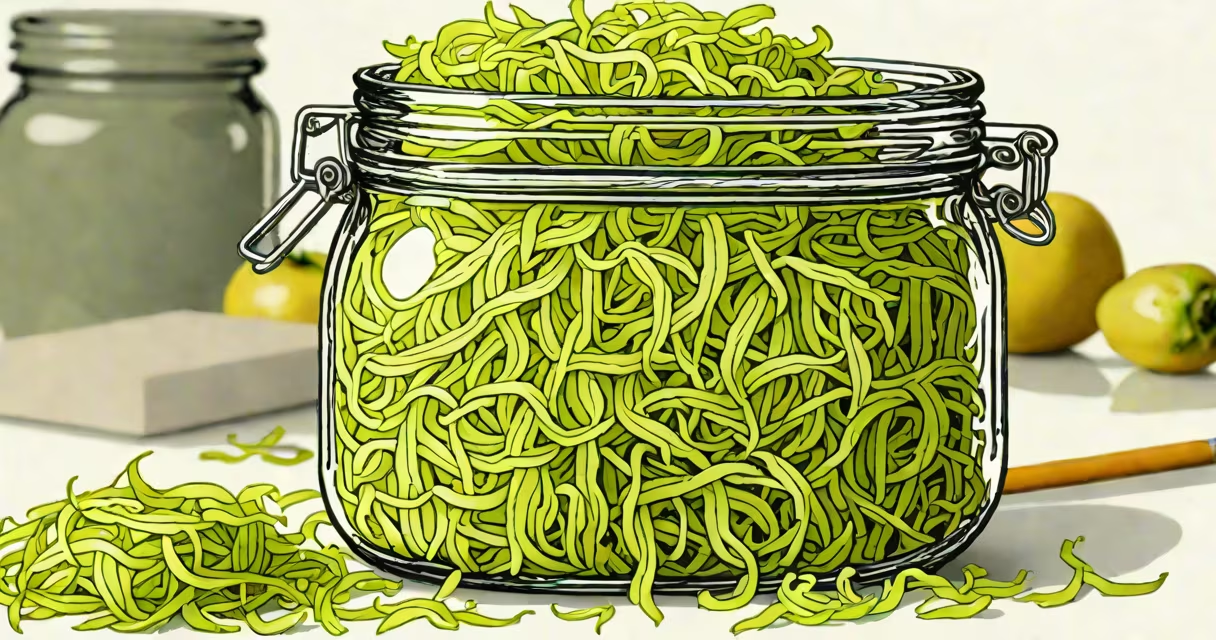
Homemade sauerkraut recipes use fermented cabbage and salt to create a tangy, gut-friendly condiment with live cultures. The process relies on lactic acid bacteria naturally present on cabbage leaves, which thrive in a saltwater brine over 3-6 weeks.
Fermentation begins when shredded cabbage is mixed with salt and packed into a clean jar. Pressure builds as gases form, requiring regular burping or a specialized airlock system. The ideal environment is cool (60-70°F), dark, and free from contaminants. After 3 weeks, acidity levels rise enough to preserve the cabbage indefinitely when refrigerated.
The core principle is anaerobic fermentation. No added starter cultures are needed because cabbage hosts Lactobacillus species-specifically L. plantarum and L. brevis-that convert sugars into lactic acid. This acid lowers pH, inhibiting spoilage microbes. A 2019 study in *Frontiers in Microbiology* confirmed that properly fermented sauerkraut contains high viable counts of beneficial bacteria, supporting gut health.
When cabbage is shredded, cell walls rupture, releasing water and sugars. Salt draws out moisture via osmosis, forming a brine. This liquid submerges the cabbage, excluding oxygen. Anaerobic conditions allow lactobacilli to multiply rapidly during the first 72 hours, producing lactic acid as their primary metabolic byproduct.
As acidity increases, most harmful bacteria die off. The pH drops below 4.0, creating a stable environment. At this stage, the sauerkraut develops its signature sour taste. Temperature control is critical-above 75°F, yeast growth may cause off-flavors or gas buildup. Below 55°F, fermentation slows excessively.
I once left a batch at 72°F for 28 days. The result was crisp, deeply tangy kraut with no mold. A small white film formed on the surface-normal yeast activity-but it didn't penetrate the brine. Removing it with a clean spoon restored safety. This experience reinforced that visual cues matter more than rigid timers.
Only three components are essential: green cabbage, non-iodized salt, and a clean container. Use 1.5-2% salt by weight-about 1.5 tablespoons per 5 pounds of cabbage. Iodized salt inhibits bacterial growth; use sea salt or pickling salt instead.
Equipment includes a large bowl, a knife or mandoline, a fermentation vessel (glass jar or crock), and a weight to keep cabbage submerged. A fermentation lid with an airlock prevents contamination while allowing gas release. Without a weight, surface scum forms as exposed cabbage oxidizes.
| Type | Use Case | Example |
|---|---|---|
| Weight | Keeps cabbage below brine | Small glass jar placed inside larger jar |
| Brine | Submerges cabbage, excludes oxygen | 1.5 tbsp salt per 5 lbs cabbage, dissolved in water |
| Temperature | Controls fermentation speed | 60-70°F for steady acid production |
Over-salting kills beneficial bacteria. Excess salt (>3%) halts fermentation entirely. Under-salting (<1%) allows unwanted microbes to grow. Always measure by weight-not volume-to avoid error.
Mold on the surface indicates contamination. Remove it with a clean spoon and check the brine's clarity. If the smell remains sour and not rotten, the batch may still be safe. But if the odor turns foul or the texture softens, discard it. According to the USDA, any visible mold on fermented vegetables requires immediate disposal.
A common confusion is equating sauerkraut with kimchi. Both are fermented vegetables, but kimchi uses chili paste, garlic, and fish sauce. Sauerkraut relies solely on cabbage and salt. Kimchi ferments faster-typically 1-2 weeks-and has a spicier profile.
Classic Plain Sauerkraut: Shred 5 pounds of green cabbage. Mix with 1.5 tablespoons of pickling salt. Massage for 10 minutes until liquid pools. Pack tightly into a 1-gallon jar. Top with a weight. Ferment at 68°F for 4 weeks. Refrigerate after tasting.
Apple-Cabbage Sauerkraut: Add 1 medium tart apple, grated, to the cabbage mix. The natural sugars accelerate fermentation. Follow the same steps. After 3 weeks, the flavor is sweeter and milder. This version pairs well with roasted pork.
Caraway-Spiced Sauerkraut: Add 1 teaspoon of caraway seeds per 5 pounds of cabbage. Toast lightly before mixing. The seeds improve aroma and support digestion. Ferment for 5 weeks. Serve chilled as a side dish.
Each recipe yields approximately 1.5 quarts. Store in the fridge for up to 12 months. The flavor deepens over time. I've tasted a 9-month-old batch that remained crisp and tangy-proof that proper fermentation preserves quality.