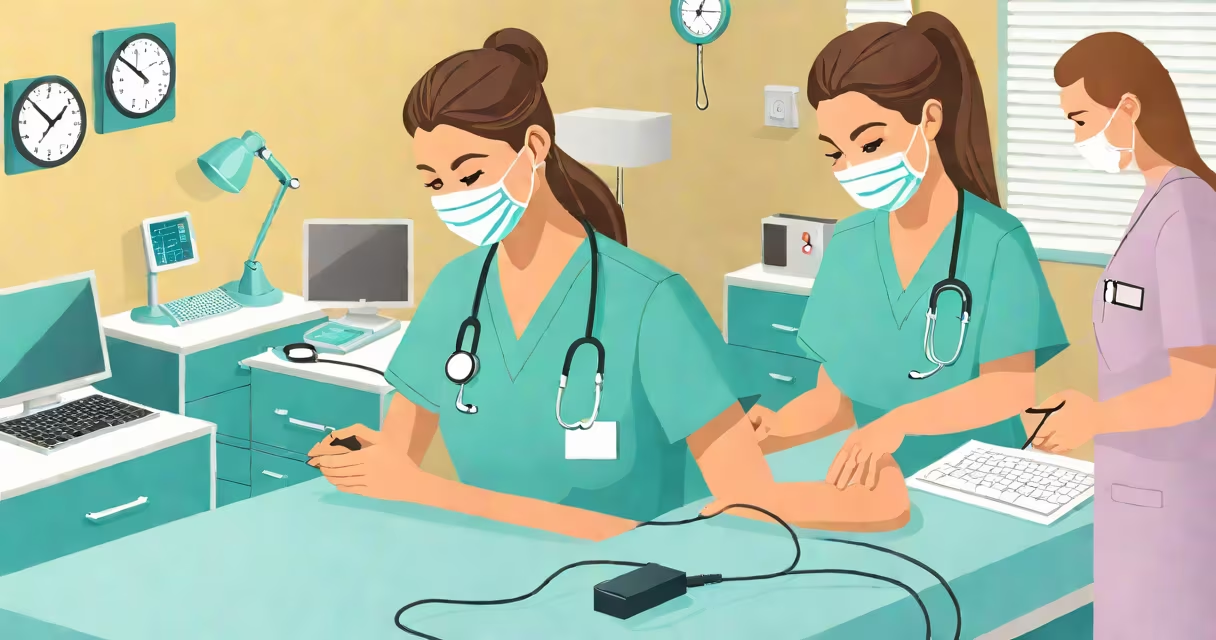
A vocational nursing program is a structured educational pathway that trains individuals to become Licensed Practical Nurses (LPNs) in 12 to 18 months. These programs combine classroom instruction with supervised clinical experience in hospitals, long-term care facilities, and outpatient clinics. Upon completion, graduates pass the National Council Licensure Examination for Practical Nurses (NCLEX-PN) to obtain state licensure.
Vocational nursing programs focus on foundational patient care skills such as administering medications, monitoring important signs, wound care, and assisting with daily living activities. They are designed for individuals seeking a direct entry into healthcare with minimal time investment compared to associate or bachelor's degree paths. According to the U.S. Bureau of Labor Statistics, LPNs work under the supervision of registered nurses (RNs) and physicians in diverse settings including nursing homes, home health agencies, and physician offices.
These programs are typically offered by community colleges, technical schools, and some vocational institutions. Admission requires a high school diploma or GED, basic math and science coursework, and sometimes a minimum GPA. Programs are accredited by the Accreditation Commission for Education in Nursing (ACEN), ensuring curriculum standards meet national benchmarks.
Students in a vocational nursing program follow a sequential curriculum that builds from theory to hands-on practice. The first half of the program emphasizes anatomy, physiology, pharmacology, and medical terminology. Classes are often held in the mornings or early afternoons, allowing students to attend clinical rotations later in the day.
Clinical rotations begin around the sixth week and continue throughout the program. Students rotate through departments such as medical-surgical, pediatrics, obstetrics, and long-term care. During each rotation, they perform tasks under RN supervision, including taking blood pressure, inserting IVs, and documenting patient progress. A typical program includes 600 to 1,000 hours of clinical training.
For example, a student in a 14-month program at a public community college in Texas completed 750 clinical hours across four hospital departments. Their final evaluation included a simulation exam using a mannequin to assess emergency response protocols. This blend of academic and applied learning ensures graduates can function independently in routine care scenarios.
Vocational nursing programs vary by institution in format, duration, and admission criteria. Most are full-time, but some offer part-time or accelerated tracks. Hybrid models-combining online lectures with in-person lab sessions-are increasingly common, especially post-pandemic.
| Type | Duration | Format | Admission Requirements |
|---|---|---|---|
| Traditional On-Campus | 12-18 months | Full-time, in-person classes and labs | High school diploma, math/science prerequisites, placement test |
| Hybrid | 14-16 months | Online theory + weekly on-site clinicals | Same as above, plus basic computer literacy |
| Accelerated | 9-12 months | Intensive schedule, limited breaks | Higher GPA, prior healthcare experience preferred |
Admission is competitive. Many programs cap enrollment at 20-25 students per cohort. Applicants must complete prerequisite courses in biology, chemistry, and algebra with a grade of C or better. Some schools require a background check and drug screening before acceptance.
One non-obvious distinction: not all vocational nursing programs lead to the same job opportunities. Programs accredited by the ACEN are recognized by state boards of nursing. Non-accredited programs may not qualify graduates to sit for the NCLEX-PN, even if they appear similar on paper.
LPNs are deployed in high-volume healthcare environments where consistent, reliable patient support is essential. In skilled nursing facilities, LPNs manage medication schedules and report changes in patient condition. In outpatient clinics, they assist with patient intake and prepare examination rooms.
The demand for LPNs remains steady. The U.S. Bureau of Labor Statistics projects a 9% growth in employment for practical nurses between 2022 and 2032-faster than average for all occupations. This growth is driven by aging populations and increased demand for long-term care services. In states like California and Florida, LPNs earn a median annual salary of $52,000, according to May 2023 BLS data.
Many vocational nursing programs partner with local healthcare systems to guarantee clinical placements and job referrals. For example, a program in Ohio collaborates with a regional hospital network to offer paid externships during the final term. Graduates who complete the externship have a 78% job placement rate within six months.
One widespread misunderstanding is that vocational nursing programs are "easier" than associate degree programs. This is incorrect. While the duration is shorter, the content is rigorous and focused. LPN curricula cover fewer advanced topics-such as critical care or complex pharmacology-but require mastery of core competencies under time pressure.
Another misconception is that LPNs cannot advance in their careers. In reality, many LPNs transition into RN roles through bridge programs. The American Association of Colleges of Nursing reports that 35% of LPNs pursue further education within five years of licensure. Some schools offer articulation agreements that allow LPNs to transfer credits toward an Associate Degree in Nursing (ADN).
I observed this firsthand while volunteering at a community health center. An LPN who completed her vocational program in 2021 returned two years later to enroll in a hybrid ADN track. She credited her practical experience with helping her succeed in advanced coursework, particularly in patient assessment and care planning.
It's also important to distinguish vocational nursing from other healthcare roles. LPNs are not trained to perform independent assessments or make treatment decisions. They do not administer anesthesia or manage ventilators. Their role is supportive, focused on executing care plans written by RNs or physicians.
Graduates of vocational nursing programs are qualified to take the NCLEX-PN exam. Passing this state-administered test grants legal authorization to practice as an LPN. Without licensure, even a completed program does not permit employment in regulated healthcare settings.