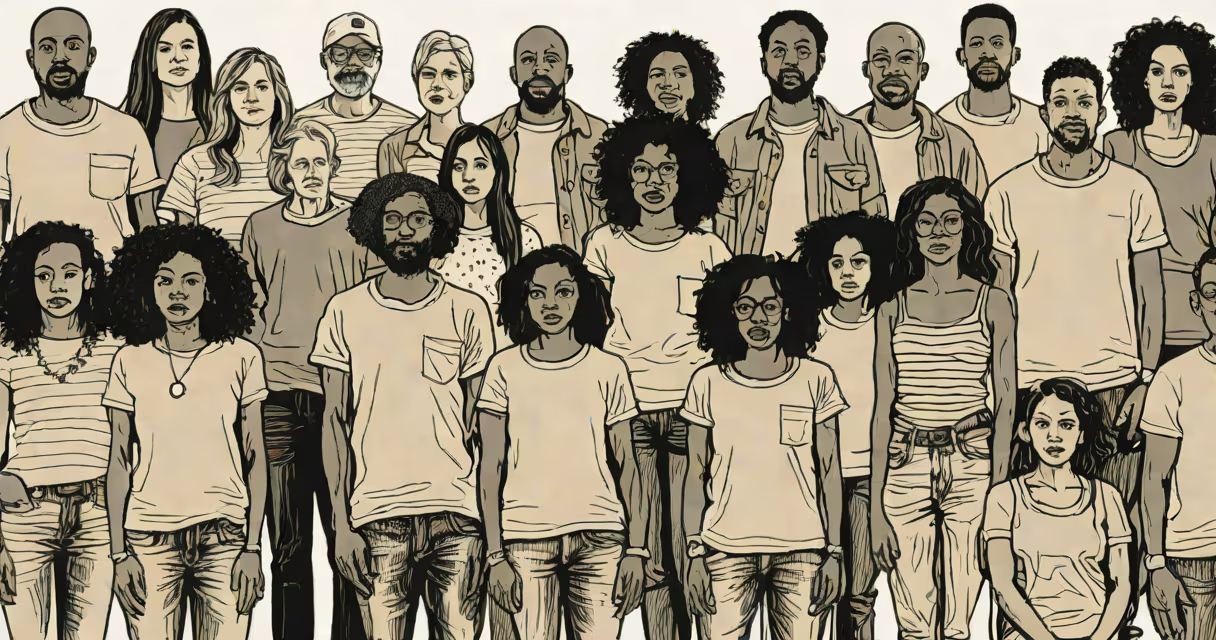
Sexo y genero refers to the distinction between biological sex-assigned at birth based on anatomy-and gender, which encompasses a person's internal sense of self as male, female, both, neither, or somewhere along the spectrum. This separation is foundational to understanding human identity beyond binary categories.
Biological sex is typically categorized as male or female based on external genitalia, chromosomes (XX or XY), and reproductive anatomy. These traits are assigned at birth and often determine legal sex. However, this system overlooks intersex individuals-people born with variations in sex characteristics that do not fit typical definitions of male or female. According to the World Health Organization (WHO), approximately 1 in 2,000 births involves differences in sex development, highlighting that biological sex is not strictly binary.
Gender, in contrast, is a social and psychological construct shaped by culture, environment, and personal experience. It includes gender identity-the internal sense of being a man, woman, both, neither, or somewhere else-and gender expression, the way someone presents their gender through clothing, behavior, voice, or appearance. A person may be assigned male at birth but identify as a woman (transgender woman), or they may identify as non-binary, meaning their gender exists outside the traditional male/female dichotomy.
When a child is born, medical professionals assign a sex based on visible genitalia. This assignment determines the name, gender marker on documents, and often the child's social role. But over time, many people realize their gender identity doesn't match their assigned sex. For example, a person assigned female at birth may grow up feeling deeply aligned with a male identity. This mismatch is central to the lived experience of transgender people.
Gender identity is not determined by appearance or behavior. A person who expresses themselves in ways traditionally associated with a different gender may still identify with their assigned sex. Conversely, someone whose presentation aligns with societal norms for a gender may still have a different internal identity. The American Psychological Association (APA) states that gender identity is a core aspect of self-concept and should be respected regardless of how it aligns with physical traits.
Transgender individuals face higher rates of mental health challenges due to social stigma and lack of access to affirming care. A 2022 study published in *The Lancet* found that transgender people who receive gender-affirming healthcare report lower rates of depression and suicidal ideation compared to those denied care. This underscores that respecting sexo y genero is not just a philosophical issue-it has measurable impacts on well-being.
The following table outlines major concepts within sexo y genero, clarifying common confusions:
| Term | Definition | Example |
|---|---|---|
| Assigned sex | Medical designation at birth based on anatomy | A baby born with a vagina is assigned female |
| Gender identity | Internal sense of being male, female, both, neither, or another gender | A person assigned female at birth identifies as a man |
| Gender expression | External presentation of gender through clothing, mannerisms, voice | A person wears skirts and uses a feminine voice, but identifies as non-binary |
| Intersex | Individuals born with sex characteristics that don't fit typical male/female definitions | A person with XY chromosomes and a vagina, or XX chromosomes and ambiguous genitalia |
| Non-binary | Gender identity outside the male/female binary | A person who identifies as "they/them" and feels neither male nor female |
One non-obvious distinction is that gender identity and sexual orientation are not the same. A transgender woman (assigned male at birth, identifies as female) may be heterosexual, homosexual, bisexual, or asexual-just like anyone else. Confusing gender identity with sexuality leads to harmful stereotypes and misrepresentation.
Many people assume that gender is simply a choice or a performance. This view ignores the deep psychological reality of gender identity. A 2020 study by the Williams Institute found that 95% of transgender adults reported experiencing persistent discomfort with their assigned sex during childhood. This is not a lifestyle decision-it is a fundamental aspect of self.
Another misconception is that all gender-diverse people seek medical interventions like hormone therapy or surgery. While some do, others live openly as their authentic gender without any medical treatment. The goal of gender affirmation is not surgical alteration but alignment between internal identity and external life. Respecting a person's chosen name and pronouns is a critical form of affirmation.
I once observed a classroom discussion in a high school in Madrid where students debated whether gender was "real." A student who identified as non-binary shared that using the wrong pronoun caused physical discomfort-like a tightness in the chest. This moment shifted the conversation from theory to lived experience. It demonstrated that sexo y genero is not abstract-it affects daily safety, dignity, and belonging.
Legal recognition of gender identity varies widely. In Spain, since 2023, individuals can change their legal gender on documents without requiring medical diagnosis or surgery. This reform reflects a growing global trend toward self-determination. In contrast, countries like Russia and Hungary have passed laws restricting gender identity recognition, leading to increased risks for transgender people.
Healthcare systems also differ. In the United States, Medicare covers gender-affirming care for transgender beneficiaries under specific conditions. The Centers for Disease Control and Prevention (CDC) notes that access to such care reduces suicide risk among transgender youth by up to 73%. Denying care is not neutrality-it is harm.
Employers and schools increasingly adopt inclusive policies. A university in Barcelona implemented a gender-neutral housing option for students who do not identify with binary categories. Over two years, participation rose by 40%, and student satisfaction scores improved. These changes aren't symbolic-they improve quality of life.
Understanding sexo y genero is not about adopting a political stance. It is about recognizing that people exist across a spectrum of identity. When we acknowledge this, we create spaces where everyone can thrive-not just survive.
Sexo y genero is not a debate. It is a structure for seeing people as they see themselves. Whether in healthcare, education, law, or daily interaction, honoring this distinction fosters equity and respect.