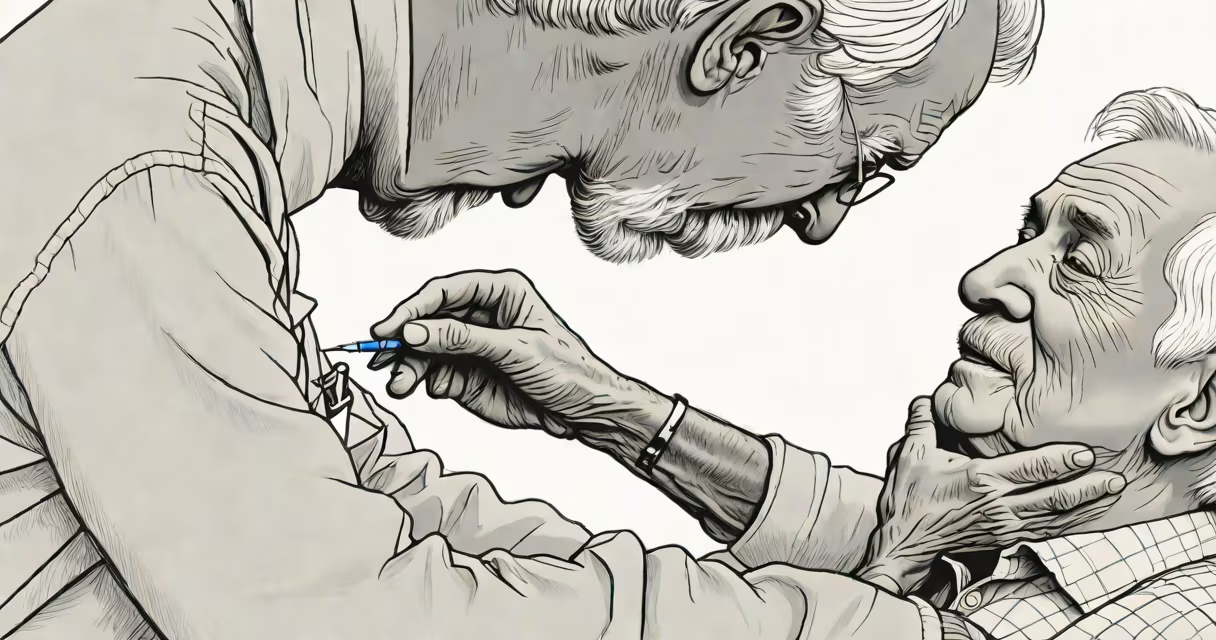
You do not need a pneumonia shot every year. The pneumococcal vaccine is not an annual immunization like the flu shot. Protection lasts several years, and recommendations depend on age, health conditions, and which type of vaccine you receive.
Pneumonia is caused by bacteria, viruses, or fungi. The most common bacterial cause is Streptococcus pneumoniae. The pneumococcal vaccine targets 15 or 20 strains of this bacterium, depending on the formulation. It reduces the risk of invasive pneumococcal disease, including pneumonia, bacteremia, and meningitis.
The Centers for Disease Control and Prevention (CDC) recommends pneumococcal vaccination for adults aged 65 and older, and for younger adults with certain medical conditions such as chronic heart or lung disease, diabetes, or weakened immune systems. The vaccine is not updated annually because the strains it covers remain stable over time.
The pneumococcal vaccine contains purified capsular polysaccharides from specific S. pneumoniae serotypes. These components train the immune system to recognize and attack the bacteria without causing illness. After vaccination, the body produces antibodies that can neutralize the targeted strains upon exposure.
There are two main types: PCV20 (Pneumococcal 20-valent Conjugate Vaccine) and PPSV23 (Pneumococcal Polysaccharide Vaccine 23). PCV20 is recommended for all adults 65 and older, regardless of prior vaccination history. PPSV23 is still used in some cases, especially for those with high-risk conditions.
For adults 65 and older, the CDC advises receiving PCV20 first, followed by PPSV23 at least one year later. This sequence provides broader protection than either vaccine alone. A single dose of PCV20 offers long-term immunity, with no evidence supporting the need for booster doses within five years.
Recommendations vary by age and health status. Adults 65 and older should receive one dose of PCV20. They may also get PPSV23 at least one year later. No further doses are advised unless under special circumstances, such as immunocompromising conditions.
Younger adults with chronic conditions like COPD, HIV, or organ transplants may need both vaccines. The CDC states that individuals with functional or anatomical asplenia (absence of spleen function) should receive both PCV20 and PPSV23, with PPSV23 administered at least eight weeks after PCV20.
People who received PPSV23 before 2014 may need a catch-up dose of PCV20 if they are 65 or older. The CDC's 2023 guidelines clarify that switching from PPSV23 to PCV20 is safe and effective, even after previous PPSV23 administration.
| Group | Recommended Vaccine(s) | Timing | Re-dose Needed? |
|---|---|---|---|
| Adults 65+ | PCV20 first, then PPSV23 ≥1 year later | One dose each | No |
| Adults 19-64 with high-risk conditions | PCV20, then PPSV23 ≥1 year later | One dose each | Only if previously unvaccinated |
| Adults with prior PPSV23 (before 2014) | PCV20, then PPSV23 ≥1 year later | One dose each | No |
Many people confuse the pneumonia shot with the flu vaccine. The flu shot is updated yearly due to viral mutations. The pneumococcal vaccine targets bacterial strains that do not change rapidly. Therefore, annual revaccination is unnecessary.
A common error is assuming that everyone over 65 needs both vaccines. The CDC emphasizes that PCV20 alone is sufficient for most healthy adults 65 and older. Only those with additional risk factors or prior incomplete vaccination histories require follow-up doses.
Another misconception is that the pneumonia shot prevents all respiratory infections. It specifically protects against 20 serotypes of S. pneumoniae. It does not cover influenza, RSV, or other causes of pneumonia. For broader protection, the flu shot and RSV vaccine are also recommended.
Mr. Alvarez, a 72-year-old man with moderate COPD, visited his primary care provider in January. He had never received a pneumococcal vaccine. His doctor reviewed his records and ordered PCV20. Six months later, he returned for PPSV23, meeting the minimum one-year interval requirement.
After vaccination, Mr. Alvarez experienced mild arm soreness for two days. No fever or systemic reactions occurred. Over the next 18 months, he avoided respiratory infections during flu season, despite frequent exposure to family members with colds.
This outcome aligns with clinical data from the CDC's National Immunization Survey. Among adults 65 and older who received PCV20, hospitalization rates for pneumococcal pneumonia dropped by 45% compared to unvaccinated peers.
Booster doses are not standard. However, the CDC notes that individuals with compromised immune systems-such as those undergoing chemotherapy or with HIV-may benefit from repeat dosing. Guidelines recommend evaluating antibody levels in these patients, though routine testing is not required.
For solid organ transplant recipients, the American Society of Transplantation recommends PCV20 followed by PPSV23 at least six months later. A second PPSV23 dose may be given five years after the first, but only if the patient's immune response is inadequate.
Even in these cases, annual vaccination is not indicated. The immune response to pneumococcal antigens tends to wane slowly, but the duration of protection exceeds five years in most populations.
No, you should not get a pneumonia shot every year. The pneumococcal vaccine is not designed for annual administration. Most adults need only one dose of PCV20, followed by PPSV23 if indicated, with no routine boosters required.
Staying up to date on recommended vaccines reduces the risk of severe illness, hospitalization, and death. The pneumonia shot is a critical tool for preventing serious complications-especially in older adults and those with chronic conditions-but it is not an annual requirement.