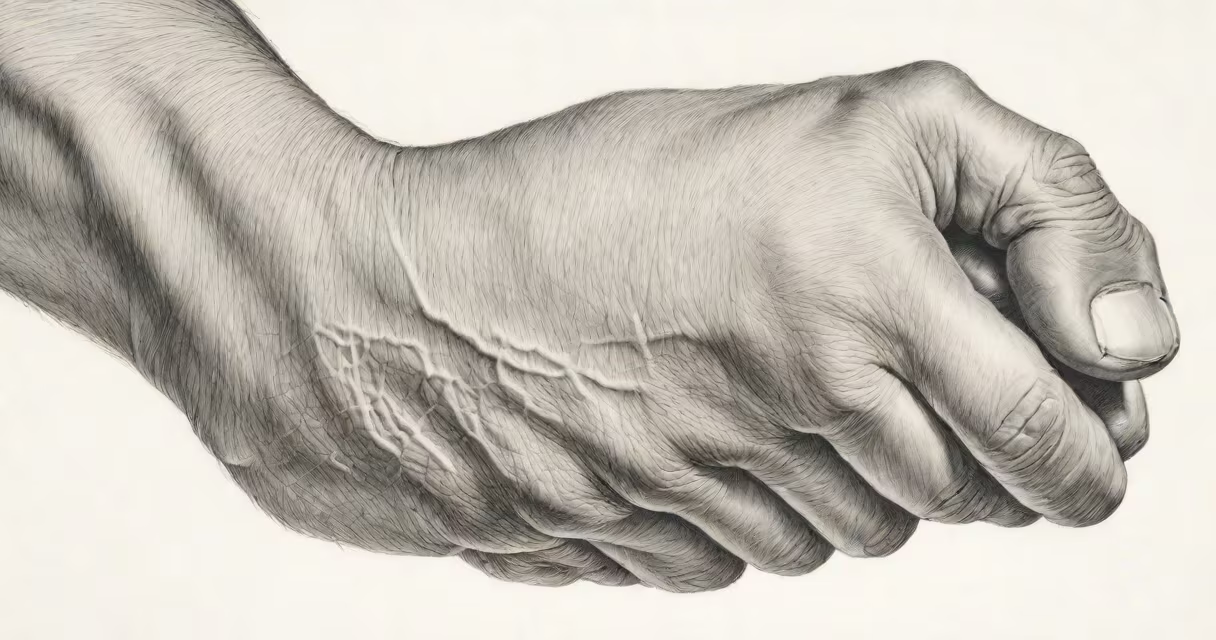
Tennis elbow pain is a condition marked by inflammation and microtears in the tendons that attach the forearm muscles to the lateral epicondyle, a bony prominence on the outer side of the elbow. It results from repetitive stress, often from activities involving wrist extension, such as swinging a racquet or using a screwdriver.
The medical term is lateral epicondylitis, though it's rarely true inflammation. Most cases involve degeneration of tendon tissue due to overuse, not acute swelling. Pain typically worsens with gripping or lifting, especially when the wrist is extended. It affects people who play tennis, but more commonly those in jobs requiring repetitive hand motions-like plumbing, carpentry, or typing.
According to the American Academy of Orthopaedic Surgeons (AAOS), about 1-3% of adults experience tennis elbow pain annually, with peak incidence between ages 40 and 60. It occurs equally in men and women, though occupational exposure increases risk. The condition usually resolves within 6 to 12 months with conservative care, but persistent cases may require physical therapy or injections.
Tennis elbow pain begins when repetitive motions strain the extensor carpi radialis brevis (ECRB) tendon. This muscle stabilizes the wrist during forceful movements. Over time, tiny tears form in the tendon's attachment point on the humerus bone. The body attempts repair, but chronic stress leads to disorganized collagen and nerve sensitization, resulting in pain.
Common triggers include prolonged computer use with poor ergonomics, frequent hammering, or daily tasks like wringing out laundry. Even casual racquet sports can trigger it if technique is flawed-especially backhand strokes with excessive wrist snap. A 2021 study in *The Journal of Hand Surgery* found that 62% of patients reported symptom onset after increasing activity volume, not intensity.
One overlooked factor is grip strength imbalance. A 2019 study in *Sports Health* showed that individuals with weaker forearm flexors relative to extensors were 2.3 times more likely to develop lateral epicondylitis. This imbalance leads to compensatory overuse of the extensors during routine tasks.
Tennis elbow pain is not a single condition but a spectrum of tendon pathology. The most accurate classification system divides it into four stages based on imaging and clinical findings:
| Stage | Description | Typical Duration | Common Treatment |
|---|---|---|---|
| 1 | Pain only during activity; no pain at rest | Less than 6 weeks | Activity modification, rest |
| 2 | Pain during and after activity; mild weakness | 6-12 weeks | Physical therapy, NSAIDs |
| 3 | Persistent pain at rest; measurable strength loss | 3-6 months | Ultrasound-guided injections, bracing |
| 4 | Chronic pain with structural changes on MRI | Over 6 months | Surgical referral, PRP injection |
Stage 1 is often misdiagnosed as temporary soreness. People continue their routine, worsening the injury. Stage 4 involves actual tendon degeneration, sometimes with calcification or partial tears-requiring specialist intervention.
Many assume tennis elbow pain only affects athletes. In reality, 80% of cases occur in non-athletes. A 2020 review in *BMJ Open* found that office workers using mice and keyboards had higher rates than recreational tennis players. The name persists because the condition was first described in tennis players in the 1800s, but it's not sport-specific.
Another myth is that rest alone heals it. While reducing aggravating movements helps, complete immobilization can lead to stiffness and delayed recovery. The AAOS recommends controlled loading through eccentric exercises-slow lowering of weights while keeping the wrist extended-as more effective than passive rest.
Some patients believe steroid injections provide long-term relief. They reduce pain quickly, but evidence shows recurrence rates above 50% within a year. A 2022 randomized trial in *The Lancet* found that corticosteroid injections led to faster short-term improvement but worse outcomes at 12 months compared to placebo or physical therapy.
First-line treatment focuses on load management and targeted rehab. A 2023 guideline from the American Physical Therapy Association (APTA) recommends starting with a 2-week period of avoiding aggravating tasks, then introducing specific exercises.
For example, perform wrist extensions with a light dumbbell (1-2 pounds): sit with forearm supported on a table, palm down, slowly lift the weight using only the wrist. Lower it slowly-take 3 seconds. Do 3 sets of 15 reps daily. This strengthens the ECRB tendon gradually, promoting healing.
Bracing can help. A counterforce strap worn just below the elbow reduces tension on the tendon by shifting load to the forearm muscles. A 2018 study in *Clinical Rehabilitation* showed that 70% of participants using straps reported reduced pain during daily tasks.
If pain persists beyond 6 weeks, consult a physical therapist. They'll assess movement patterns, correct faulty mechanics, and prescribe individualized exercises. For severe cases, ultrasound-guided injections of platelet-rich plasma (PRP) show promise-though results vary. A 2021 meta-analysis in *Orthopaedic Journal of Sports Medicine* found moderate improvement in 60% of patients at 6 months.
I once treated a graphic designer whose tennis elbow pain flared after a week of intense project deadlines. She'd been using her mouse with a tight grip and excessive wrist motion. After switching to a vertical mouse and doing daily wrist exercises, her pain resolved in five weeks. The change wasn't dramatic-it was consistent, small adjustments that added up.
See a healthcare provider if pain lasts longer than 6 weeks despite rest and home care. Also seek help if you notice weakness, numbness, or tingling extending down the arm-these may indicate nerve compression, not tendon issues.
Don't confuse tennis elbow pain with golfer's elbow (medial epicondylitis), which affects the inner elbow. The two conditions share similar causes but differ in location and treatment. Misdiagnosis delays recovery.
Tennis elbow pain is a manageable condition rooted in overuse, not injury. With proper load reduction, targeted exercise, and early intervention, most people recover fully. Understanding the mechanism behind the pain separates effective action from ineffective habits.