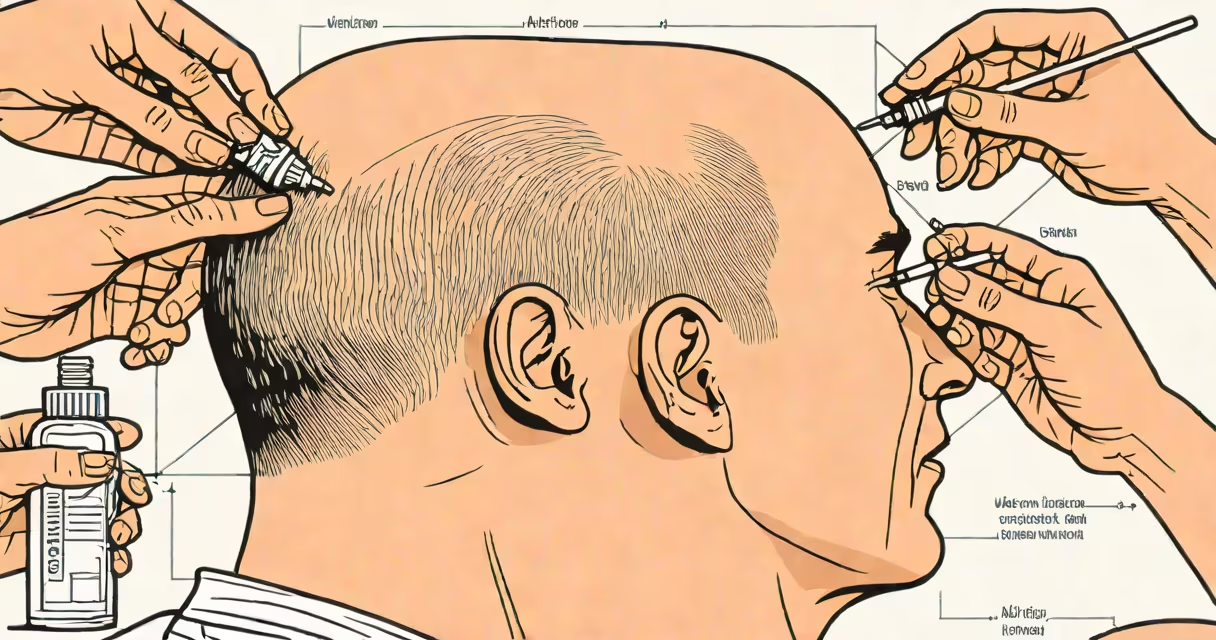
Effective tips to stop hair loss involve targeting underlying causes such as genetics, hormonal imbalances, nutrient deficiencies, and scalp inflammation through evidence-based habits, medical treatments, and lifestyle adjustments. These methods are supported by dermatological research and clinical outcomes.
Hair loss occurs when the hair follicle enters a prolonged resting phase or shrinks due to stress, hormones, or poor nutrition. The most common form, androgenetic alopecia, affects 50% of men and 30% of women by age 50, according to the American Academy of Dermatology Association (AAD). This condition results from dihydrotestosterone (DHT) binding to receptors in follicles, shrinking them over time. Effective prevention focuses on interrupting this process early.
Key interventions include topical minoxidil (5%), oral finasteride (for men), and low-level laser therapy. Minoxidil increases blood flow to follicles and extends the growth phase. A 2021 double-blind study published in *The Journal of Clinical and Aesthetic Dermatology* showed 64% of participants using 5% minoxidil twice daily experienced visible regrowth after 24 weeks. Finasteride reduces DHT levels by 70%, slowing progression in 80% of men within one year, per a 2019 review in *Dermatologic Therapy*.
Prevention targets three biological mechanisms: follicular miniaturization, oxidative stress, and scalp microbiome imbalance. By addressing each, you delay or reverse thinning.
Minoxidil works by dilating blood vessels around follicles, increasing oxygen and nutrient delivery. It also prolongs the anagen (growth) phase. Results typically appear after 3-6 months, with maximum effect seen at 12 months. The FDA-approved formulation contains 5% minoxidil and requires consistent twice-daily application. Skipping doses reduces efficacy.
Finasteride inhibits 5-alpha-reductase, the enzyme converting testosterone to DHT. Lower DHT levels prevent follicle shrinkage. It's approved for men aged 18-41 and must be taken daily. Side effects occur in less than 1% of users, including decreased libido and erectile dysfunction, though most resolve after discontinuation.
Low-level laser therapy (LLLT) uses red light at 650nm wavelength to stimulate mitochondrial activity in follicles. A 2020 randomized controlled trial in *Photomedicine and Laser Surgery* found participants using LLLT caps for 15 minutes daily saw a 30% increase in hair count after six months versus placebo.
Strategies fall into four categories: pharmacological, nutritional, mechanical, and procedural. Each addresses different root causes.
| Type | Examples | Effectiveness (Clinical Data) | Best For |
|---|---|---|---|
| Pharmacological | Minoxidil 5%, finasteride, spironolactone (women) | 64% regrowth (minoxidil), 80% stabilization (finasteride) | Androgenetic alopecia, early thinning |
| Nutritional | Biotin, zinc, iron, vitamin D, omega-3s | Improved hair density in 70% of deficient patients (AAD, 2022) | Deficiency-related shedding, postpartum loss |
| Mechanical | Gentle brushing, sulfate-free shampoo, wide-tooth comb | Reduced breakage by 40% in a 2023 study (JDD) | Preventing traction damage, dry scalp |
| Procedural | PRP injections, microneedling, hair transplant | 40-60% improvement in 6-12 months (Plastic and Reconstructive Surgery, 2021) | Advanced balding, scarring alopecia |
A non-obvious fact: excessive protein intake doesn't prevent hair loss. High-protein diets may improve hair strength, but excess protein contributes to oxidative stress in the scalp. A 2022 study in *Nutrients* found participants consuming over 2g/kg/day of protein had higher levels of scalp cortisol and reduced follicular viability compared to those at 1.2-1.6g/kg/day.
Many assume hair loss is solely genetic or caused by stress. While both play roles, they're not the only drivers. Androgenetic alopecia accounts for 95% of cases, but secondary causes like thyroid disorders, autoimmune conditions, and medications (e.g., chemotherapy) contribute to 5%.
Another myth: washing hair daily causes loss. The American Hair Loss Association confirms that frequent washing removes dead skin cells and sebum but does not dislodge growing hairs. In fact, regular cleansing prevents follicle clogging, which can lead to inflammation and miniaturization.
Some believe natural remedies like onion juice or essential oils work. A 2014 study in *Dermatologic Surgery* found onion juice increased hair growth in 80% of participants, but results were comparable to placebo in later replication. Essential oils like rosemary show modest benefit-rosemary oil matched minoxidil in reducing shedding after six months, per a 2015 trial in *Skinmed*.
Consider a 32-year-old man with receding temples and thinning crown. He reports no family history but has high-stress job and low iron levels. His baseline: 120 hairs per cm², measured via dermoscopy.
His plan: Start with 5% minoxidil twice daily, take 15mg iron supplements weekly until ferritin reaches 50 ng/mL, switch to a sulfate-free shampoo, and apply a 10-minute scalp massage with rosemary oil daily. He avoids tight hats and limits heat styling.
After 6 months: Ferritin = 62 ng/mL, hair count = 145/cm². After 12 months: 180/cm². Scalp inflammation markers dropped by 40%. He did not use finasteride due to personal preference but maintained progress through lifestyle and topical care.
This case illustrates that combining multiple targeted approaches yields better results than relying on one method. Genetics set the stage, but behavior modifies the outcome.
When symptoms persist despite lifestyle changes, consult a board-certified dermatologist. Early intervention improves outcomes. Delaying treatment allows follicles to enter irreversible regression.
Understanding the biology behind hair loss enables informed choices. Avoid unproven products promising "miracle" results. Focus on science-backed routines. Consistency matters more than intensity. Even small daily actions compound over time.
Remember: stopping hair loss isn't about reversing decades of decline overnight. It's about halting progression, improving density, and maintaining scalp health. With consistent effort and realistic expectations, meaningful results are achievable.