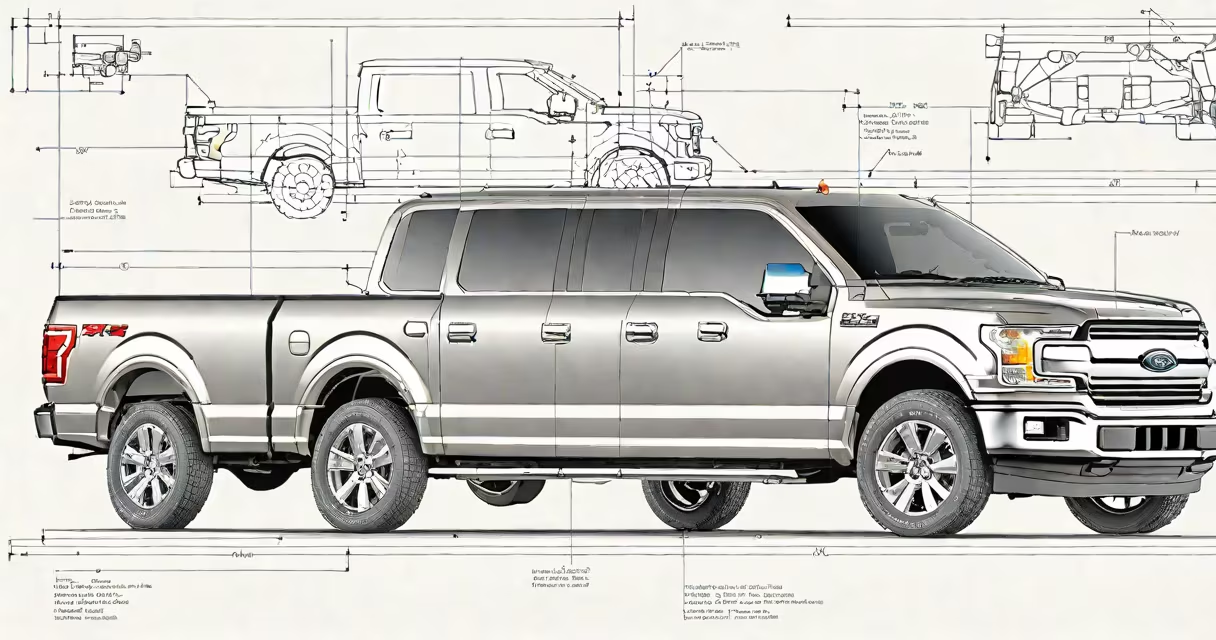
Used pickup truck values refer to the estimated market price of a pre-owned pickup based on its year, make, model, mileage, condition, and regional demand. These values fluctuate monthly due to supply, fuel prices, and economic shifts.
Automotive valuation tools like Kelley Blue Book (KBB) and Edmunds use transaction data from dealerships and private sellers to assign baseline values. For example, a 2018 Ford F-150 XL with 60,000 miles and average wear typically ranges between $22,000 and $25,000 depending on location and trim level. Values drop sharply after 60,000 miles due to increased mechanical risk and higher maintenance expectations.
Values are not static. A 2020 Toyota Tundra TRD Pro with 45,000 miles in Arizona might sell for $48,000, while the same truck in Alaska could fetch $52,000 due to higher demand for durable vehicles in remote areas. Regional differences stem from climate, terrain, and local labor costs affecting repair frequency.
Valuation systems rely on historical sales data, repair records, and vehicle history reports. KBB's Real-Time Pricing tool pulls daily transaction data from over 10,000 dealerships across the U.S., adjusting values within hours of significant market shifts. Edmunds uses a similar dataset but emphasizes consumer sentiment and online listing behavior.
Condition is weighted heavily. A 2017 Chevrolet Silverado 1500 with 80,000 miles and a clean Carfax report sells for $18,500. The same truck with a salvage title and frame damage drops to $9,200-a 50% decrease. This reflects buyer willingness to pay less for risk.
Market timing matters. In Q2 2023, demand for diesel-powered pickups rose 14% due to rising fuel efficiency standards. A 2019 Ram 1500 Laramie with a 3.0L EcoDiesel engine saw a 7% increase in average sold price compared to the prior quarter. Conversely, gas-only models lost ground during high fuel prices.
Three variables dominate used pickup truck values: mileage, condition, and demand. Mileage affects depreciation rates. According to the National Automobile Dealers Association (NADA), trucks lose 15% of their value per year in the first three years, then 10% annually thereafter. After 100,000 miles, depreciation accelerates-up to 20% per year-due to perceived reliability risks.
Condition includes interior wear, paint integrity, and mechanical history. A 2016 Ford F-150 with 100,000 miles and a recent transmission flush may retain 65% of its original MSRP. The same truck with a worn clutch and oil leaks drops to 45%. Repair receipts and service logs boost confidence and value.
Regional demand shapes value. In Texas, 4WD trucks with off-road packages sell 12% faster than in New York. In California, electric pickup interest is growing-though still limited. The 2023 Ford F-150 Lightning saw a 20% premium in listings near charging hubs, though volume remains low.
| Truck Model | Year | Mileage | Condition Rating | Estimated Value Range |
|---|---|---|---|---|
| Ford F-150 XL | 2018 | 60,000 | Good (clean title, minor scratches) | $22,000 - $25,000 |
| Toyota Tundra TRD Pro | 2020 | 45,000 | Excellent (full service history) | $48,000 - $52,000 |
| Chevrolet Silverado 1500 | 2017 | 80,000 | Poor (salvage title, frame damage) | $9,200 - $11,000 |
Many assume all pickups depreciate at the same rate. That's false. The 2016-2020 Ford F-150 retained 58% of its value after five years, according to iSeeCars. The 2016-2020 Ram 1500 held only 47%. This difference stems from build quality, parts availability, and brand perception. Ford's aluminum body reduced weight and improved fuel economy, helping retention.
Another myth: "Newer trucks always have higher values." Not true. A 2021 Ford F-150 with 120,000 miles and a damaged rear differential sold for $20,000-below the 2018 model with lower mileage. Age doesn't override usage patterns. High-mileage trucks with heavy towing or off-road use degrade faster than those driven primarily on highways.
A non-obvious fact: Used pickup truck values often peak in late summer. Sales volume increases in August and September as schools reopen and families plan fall moves. Listings with clean titles and low mileage see a 7-10% bump in offers during this window. Sellers who time their sale to July-September can expect better returns.
Consider a 2019 Ford F-150 XL with 72,000 miles, automatic transmission, and no accidents. It has a clean Carfax report, factory-installed backup camera, and no visible rust. The owner lives in Colorado.
First, check KBB's Trade-In Value tool. Input the VIN and location. The system returns a "Good" condition estimate of $28,400. Next, compare with Edmunds' Private Party Value. It shows $29,100. Both tools adjust for regional demand-Colorado sees higher demand for trucks due to mountain terrain and rural access needs.
Now factor in condition. The truck has minor scuffs on the bumper and a small dent on the driver's side door. Service records show regular oil changes and brake fluid replacement. No major repairs. This supports a "Good" rating. If the truck had a cracked windshield and missing hubcaps, the value would drop by $1,200.
The final estimate: $28,000-$29,500. This range accounts for negotiation room. A seller asking $31,000 would likely receive fewer offers. A buyer paying $27,000 might find a better deal in October, when inventory builds.
Understanding used pickup truck values requires attention to detail, regional context, and timing. A clear picture emerges only when combining data from authoritative sources with physical inspection and market awareness.