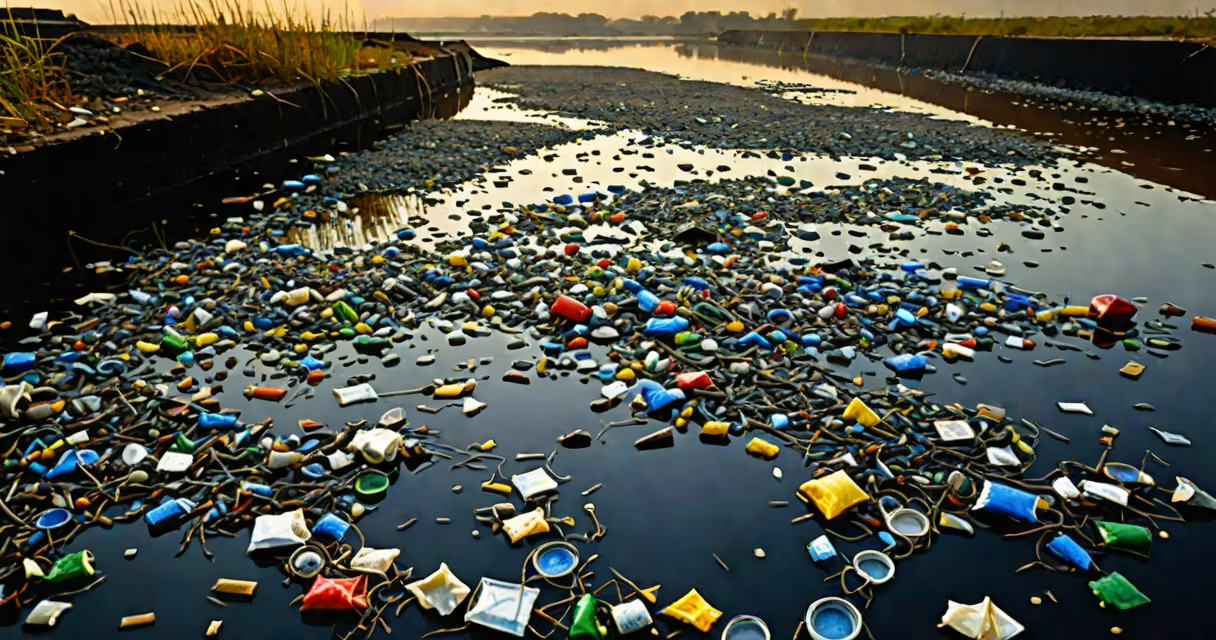
Water pollution occurs when harmful substances contaminate water bodies, degrading water quality and harming ecosystems, human health, and aquatic life. It results from direct or indirect discharge of pollutants into rivers, lakes, oceans, groundwater, or rainwater.
Contaminants enter water through industrial effluent, sewage overflow, agricultural runoff, urban stormwater, and improper disposal of household chemicals. Once in water systems, these pollutants disrupt biological processes, reduce oxygen levels, and introduce toxins that accumulate in food chains.
The World Health Organization (WHO) identifies unsafe water as a leading cause of disease worldwide, linking contaminated drinking water to over 1.4 million annual deaths from diarrhea and other waterborne illnesses. The U.S. Environmental Protection Agency (EPA) reports that nearly half of U.S. surface water bodies remain impaired due to pollution, despite federal regulations.
When pollutants enter water, they don't disappear-they move through physical, chemical, and biological pathways. Soluble chemicals dissolve and disperse. Suspended solids settle or float. Toxic metals bind to sediments and persist for decades. Organic pollutants decompose slowly, consuming oxygen during breakdown.
Oxygen depletion is a critical consequence. As bacteria break down organic waste like sewage or dead algae, they consume dissolved oxygen. When oxygen drops below 2 mg/L, fish and invertebrates suffocate. This condition, called hypoxia, creates "dead zones" where most marine life cannot survive.
A notable example is the Gulf of Mexico's dead zone, which spans over 6,000 square miles annually. It forms when nitrogen-rich runoff from the Mississippi River triggers algal blooms. When the algae die and decay, oxygen plummets. The EPA attributes 70% of this nutrient load to Midwestern agriculture.
Water pollution falls into five major categories based on origin and pollutant type:
| Type | Primary Sources | Common Pollutants | Environmental Impact |
|---|---|---|---|
| Industrial | Factories, refineries, mines | Heavy metals (lead, mercury), solvents, acids | Long-term toxicity, bioaccumulation in fish |
| Agricultural | Farms, feedlots, pesticide application | Nitrates, phosphates, fecal bacteria, herbicides | Eutrophication, algal blooms, groundwater contamination |
| Sewage and Wastewater | Urban treatment plants, septic systems | Bacteria (E. coli), viruses, nutrients | Disease outbreaks, oxygen depletion |
| Plastic and Solid Waste | Urban litter, fishing gear, packaging | Microplastics, macroplastics, synthetic fibers | Entanglement, ingestion by wildlife, persistent debris |
| Atmospheric Deposition | Vehicle emissions, power plants, wildfires | Acid rain (nitric/sulfuric acid), heavy metals | Acidification of lakes, soil leaching |
Each type acts differently. Industrial pollution often introduces concentrated toxins. Agricultural runoff spreads widely and seasonally. Plastic pollution persists indefinitely, fragmenting into microplastics under sunlight and wave action.
One lesser-known fact: microplastics are now detected in 94% of tap water samples in the U.S., according to a 2022 study by Orb Media. These particles originate from synthetic clothing, tire wear, and degraded plastic waste. They pass through filtration systems and may carry toxic additives like phthalates or bisphenol A.
Water pollution affects every continent. In India, the Ganges River carries over 1 billion liters of untreated sewage daily. In China, 40% of monitored rivers fail to meet minimum safety standards. In sub-Saharan Africa, 200 million people lack access to clean drinking water, forcing reliance on polluted sources.
Health impacts are severe. Contaminated water transmits cholera, typhoid, hepatitis A, and lead poisoning. In Flint, Michigan, corroded pipes released lead into drinking water between 2014 and 2015. The CDC confirmed elevated blood lead levels in children, with lasting cognitive effects.
Ecological damage is irreversible in many cases. Coral reefs bleach and die when exposed to high temperatures and nutrient pollution. Fish populations collapse when rivers are dammed or diverted. Wetlands-natural filters-disappear due to development, reducing their ability to cleanse water naturally.
I once observed a stream in rural Pennsylvania during a spring runoff event. The water was brown, thick with silt, and smelled faintly of diesel. A local farmer admitted he'd applied fertilizer before a heavy rain. Within days, fish kills were reported downstream. That single event illustrated how land use directly translates to water quality decline.
Many assume that "clean" water is safe. But clarity doesn't equal safety. Water can appear clear while carrying invisible pathogens or heavy metals. The 2018 WHO report notes that 1.8 billion people drink water contaminated with feces, yet the water appears visually clean.
Another myth: pollution only happens in developing nations. In reality, developed countries face significant challenges. The U.S. has over 300,000 miles of polluted streams. Canada's Great Lakes suffer from invasive species and nutrient loading. Even Germany's Rhine River, once heavily polluted, still shows traces of pharmaceuticals and pesticides.
Also, not all pollution is visible. Thermal pollution-rising water temperatures from power plant cooling-alters aquatic metabolism and increases disease risk. It's invisible but measurable and damaging.
Water pollution explanation reveals a complex system of sources, mechanisms, and consequences. It is not limited to oil spills or visible trash-it includes invisible toxins, seasonal runoff, and long-term contamination. Understanding the types and real-world impacts enables better prevention and policy decisions.