We are Derry TV is a locally produced, community-focused television channel based in Derry, Northern Ireland, delivering hyperlocal news, cultural stories, and civic programming through online and broadcast platforms. It operates independently of national networks and serves residents with content shaped by local voices and perspectives.
The channel was launched in 2021 by a group of residents and media volunteers aiming to fill a gap in representation for Derry's diverse communities. Unlike commercial or state-run broadcasters, We are Derry TV functions as a nonprofit initiative, relying on community contributions, volunteer staff, and small grants. Its programming includes interviews with local artists, coverage of city council meetings, reports on neighborhood development projects, and special segments on heritage and identity in the region.
Content is produced using affordable consumer-grade equipment-DSLR cameras, lapel microphones, and free editing software-combined with collaborative workflows. All footage is reviewed by a rotating editorial committee composed of residents, educators, and youth leaders. This model ensures accountability and keeps programming aligned with community priorities rather than advertising or political agendas.
We are Derry TV operates on a decentralized production model. Anyone in the city can submit a story idea via email or a public Google Form. If approved by the editorial team, they receive training in basic filming techniques and interview structuring. Contributors then record their segments using smartphones or borrowed gear, upload them to a shared cloud folder, and receive feedback before final edits.
Final productions are edited in-house using DaVinci Resolve, a free professional video editing set. Each episode runs between 6 and 12 minutes and is published weekly on YouTube and the channel's website. Episodes are also rebroadcast on a low-power FM frequency during evening hours, reaching older residents who may not use internet-connected devices.
A 2023 survey conducted by the University of Ulster found that 68% of regular viewers reported feeling more informed about local issues after watching the channel. One participant noted, "I didn't realize how many community groups were doing work in my area until I saw them on We are Derry TV."
The channel organizes its content into four core categories:
| Type | Focus | Frequency | Example |
|---|---|---|---|
| Local News | City council decisions, public safety updates, school events | Weekly | "Derry City Council Approves New Green Space in Bogside" |
| Cultural Features | Music, art, language revival, festivals | Bi-weekly | "The Return of the Derry Gaelic Choir" |
| Youth Voices | Student-led reporting, school debates, creative writing | Monthly | "Teen Perspectives on Climate Change in Derry" |
| Civic Engagement | Interviews with activists, voter education, town halls | Quarterly | "Voting in Derry: A Guide for First-Time Voters" |
Each segment follows a standard template: a 15-second intro with the channel's logo and theme music, a 30-second narration by the contributor, and a 10-second outro with contact details and social media handles. This format reduces production time and increases consistency across episodes.
We are Derry TV is often mistaken for a government-funded broadcaster or a spin-off of BBC Northern Ireland. It is neither. The channel receives no direct funding from public broadcasters or local councils. Instead, it relies on donations from residents, small sponsorships from local businesses, and in-kind support from tech volunteers.
Another frequent error is assuming the channel promotes a single political or cultural viewpoint. In reality, contributors are required to disclose affiliations, and segments that appear biased are flagged for revision. A 2022 incident involving a controversial report on a planned housing development led to a public review process, resulting in the removal of two statements deemed inflammatory. The incident reinforced the channel's commitment to balanced reporting.
One non-obvious fact: We are Derry TV uses a hybrid moderation system. While all content is reviewed by human editors, the channel also employs a lightweight AI tool to flag potential copyright violations in music clips or reused footage. The tool, developed by a local coding collective, scans audio waveforms and cross-references them against a database of licensed tracks. It does not make final decisions-only alerts editors.
In 2022, a segment titled "Lost in Translation: Derry's Multilingual Youth" highlighted the challenges faced by children learning Irish, Polish, and Arabic in local schools. The report included interviews with students, teachers, and parents. After airing, the Derry City Education Board convened a task force to assess language support programs. Within six months, the city allocated £12,000 in emergency funding for multilingual teaching assistants.
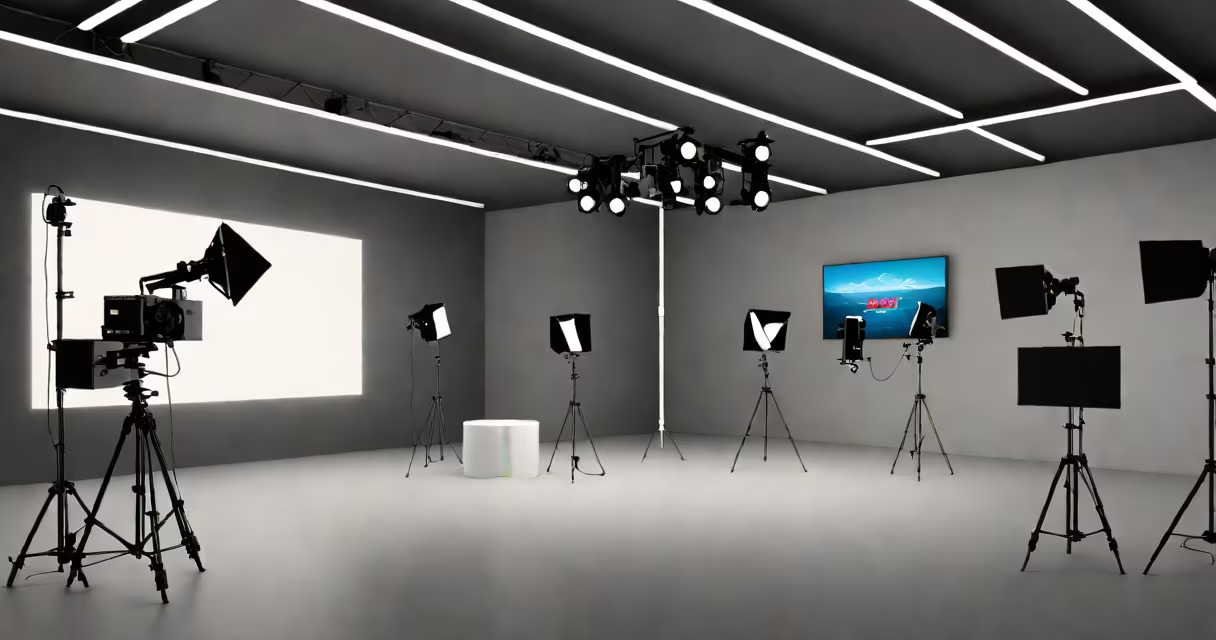
I personally visited the studio during a live broadcast rehearsal. The room was small-just 12 feet by 15-with soundproof panels made from recycled insulation foam. The host, a former primary school teacher, wore a headset and monitored audio levels while coordinating camera angles. The energy was focused but informal. No scripts were used-only bullet points. One contributor, a 17-year-old student, delivered her report on youth mental health with quiet intensity. She had practiced five times before going live.
For those interested in launching similar initiatives, connecting your TV to local content platforms is a first step. Many community channels now offer downloadable archives and live streams accessible through smart TVs or streaming devices.
We are Derry TV exemplifies how grassroots media can thrive without corporate backing. It proves that local relevance outweighs national reach when the goal is civic connection. Its model is replicable in other towns and cities, especially where mainstream media overlooks underrepresented voices.