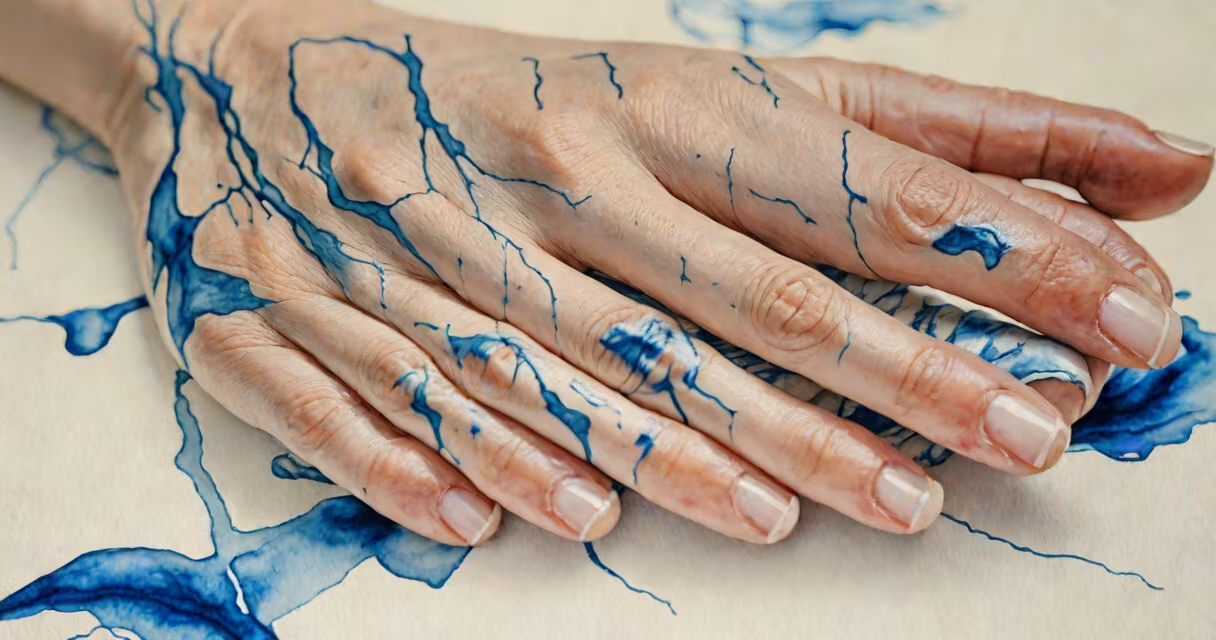
Your skin undertones are the subtle hues beneath your surface tone-cool (blue, pink, or red), warm (yellow, peach, or golden), or neutral (a mix of both). They're determined by the color of blood vessels near the skin's surface and the amount of melanin in your dermis. Unlike surface tone, undertones don't change with sun exposure.
Undertones are not the same as skin tone. Your skin tone is how dark or light your complexion appears-ranging from fair to deep. But undertones reveal the underlying color family your skin belongs to. Knowing your undertone helps you choose makeup, clothing, and skincare that improve your natural features.
For example, someone with olive skin may have a warm undertone. Another person with similar surface tone but cool undertones might look better in silver jewelry and cool-toned blushes. Misidentifying undertones leads to mismatched foundation shades and unflattering colors.
Under the surface, capillaries carry oxygenated blood, which emits a faint blue-red hue. This contributes to the cool undertone. Meanwhile, melanin-the pigment responsible for skin color-can also influence warmth. Higher levels of certain melanin subtypes produce yellowish tones.
When you look at your wrist in natural daylight, the color of your veins offers a quick clue. Blue or purple veins suggest cool undertones. Greenish veins indicate warm undertones. If they appear gray or hard to distinguish, you likely have neutral undertones.
Another test uses jewelry. Try wearing gold and silver rings side by side. If silver looks better on your skin, you likely have cool undertones. Gold complements warm undertones. Neutral undertones often suit both metals.
There are three primary undertone categories. Each responds differently to lighting, makeup, and accessories.
| Type | Visual Clues | Best Makeup & Jewelry | Common Misconceptions |
|---|---|---|---|
| Cool | Veins appear blue or purple. Skin looks pinkish or rosy in sunlight. Silver jewelry enhances complexion. | Pink, rose, or berry-based makeup. Silver or platinum jewelry. | Often confused with fair skin. Cool undertones exist in all skin tones, including deep brown. |
| Warm | Veins appear greenish-yellow. Skin looks golden or peachy under daylight. Gold jewelry flatters the face. | Orange, coral, or bronze shades. Gold or copper jewelry. | People with warm undertones often avoid cool-toned foundations, which can look ashy. |
| Neutral | Veins are hard to read. Skin appears balanced between pink and yellow. Both gold and silver work well. | Soft, earthy tones. Mix of metal types. | Often mislabeled as "balanced." Neutral doesn't mean absent-it's a distinct category. |
A real-world example: A woman with medium skin tone and greenish veins in her wrists tested both gold and silver earrings. The silver enhanced her natural flush, while the gold made her look washed out. She later confirmed with a dermatologist that she has cool undertones, despite her skin being neither very light nor very dark.
Many people mistake their skin's surface tone for undertones. A tan can mask underlying hues. For accurate results, test in natural light-avoid fluorescent or artificial bulbs, which distort color perception.
Some assume that people with darker skin lack undertones. That's false. According to the American Academy of Dermatology, melanin distribution varies widely across ethnic groups. A Black person with a warm undertone may show golden highlights in direct sunlight, especially on the arms or neck.
Another error: believing that undertones stay constant throughout life. Hormonal shifts, aging, and medical conditions can alter pigmentation. A 2021 study in the Journal of Investigative Dermatology found that 34% of adults experienced a shift in undertone after age 40 due to decreased collagen and increased vascular visibility.
Use the "white paper test" for a quick assessment. Hold a sheet of pure white paper next to your face in natural light. If your skin looks yellowish or sallow, you likely have warm undertones. If it looks pinkish or bluish, cool undertones are present.
I once tested this method on a client with olive skin who believed she had neutral undertones. After holding the paper beside her cheek, she noticed a slight greenish cast. Re-testing with jewelry revealed that gold looked better than silver. Her diagnosis: warm undertones. She adjusted her foundation shade accordingly and achieved a more natural finish.
For accuracy, consult a licensed esthetician or dermatologist. The American Society for Dermatologic Surgery recommends professional skin analysis for those with complex or changing skin profiles. However, basic tests are reliable enough for everyday use.
Knowing your skin undertones isn't about fitting into beauty standards. It's about choosing products that align with your biology. even a new wardrobe, the right undertone match reduces guesswork and improves results.
Identifying your skin undertones starts with observation. Use natural light, compare jewelry, and pay attention to how your skin reacts to different colors. Once you know your undertone, you'll make smarter choices in makeup, fashion, and skincare.