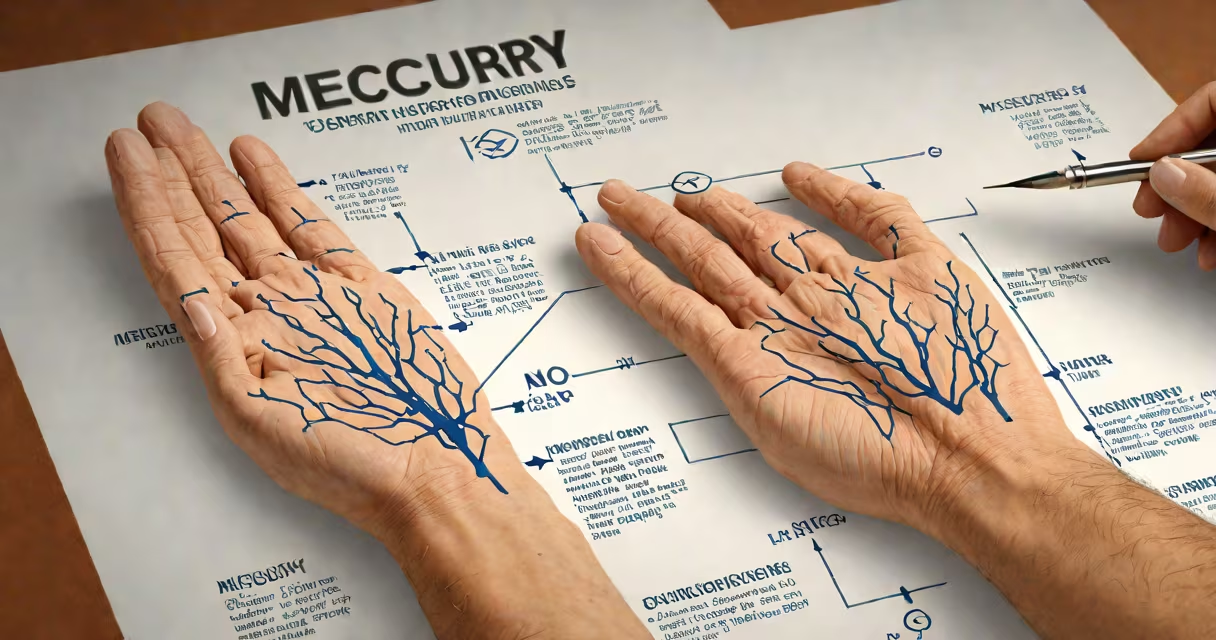
Mercury poisoning occurs when the body absorbs excessive amounts of elemental, inorganic, or organic mercury, leading to systemic damage-especially to the nervous system, kidneys, and lungs. Symptoms vary by exposure type and duration, ranging from mild cognitive issues to irreversible brain injury.
Mercury enters the body through ingestion, inhalation, or skin contact. Elemental mercury vapor is most dangerous when inhaled, as it crosses the blood-brain barrier easily. Methylmercury, found in contaminated fish, accumulates in fatty tissues and disrupts neural development. Inorganic mercury compounds cause severe gastrointestinal and renal damage.
The World Health Organization (WHO) identifies methylmercury as a major public health concern in regions with high fish consumption, such as coastal communities in Japan and the Amazon Basin. The U.S. Environmental Protection Agency (EPA) sets safe limits for mercury in water and air based on long-term exposure risks.
Once absorbed, mercury targets organs with high metabolic activity. The central nervous system is most vulnerable due to mercury's affinity for sulfhydryl groups in proteins. This disrupts enzyme function, alters neurotransmitter balance, and damages neurons.
Initial symptoms often mimic psychiatric disorders. Patients report irritability, anxiety, and insomnia. As exposure continues, tremors appear-typically fine, rhythmic shaking in the hands and fingers. These tremors persist even at rest and worsen under stress.
Renal toxicity develops rapidly with inorganic mercury. Studies show that occupational exposure to mercury vapor leads to proteinuria and reduced glomerular filtration rate within weeks. Blood tests reveal elevated serum creatinine levels, indicating kidney dysfunction.
Different forms of mercury produce distinct symptom profiles. Elemental mercury vapor is released during industrial processes like gold mining or dental amalgam removal. Inhalation causes pulmonary irritation, coughing, and chest tightness. Neurological symptoms emerge within hours to days.
Methylmercury, formed when bacteria convert inorganic mercury in waterways, bioaccumulates in predatory fish like tuna and swordfish. Consumption of contaminated fish leads to delayed onset of symptoms-up to months after exposure. Children exposed in utero face permanent developmental delays.
| Type | Source | Onset | Key Symptoms |
|---|---|---|---|
| Elemental | Industrial fumes, broken thermometers | Hours to days | Tremors, lung irritation, mood swings |
| Inorganic | Mercury salts in batteries, disinfectants | Days | Burns, vomiting, kidney failure |
| Organic (methylmercury) | Contaminated fish, seafood | Weeks to months | Ataxia, vision loss, numbness |
A 2016 study published in *Environmental Health Perspectives* tracked 120 residents near a mercury-contaminated river in Minamata, Japan. Half reported memory deficits, 70% had motor coordination issues, and 40% showed visual field constriction-all linked to methylmercury levels above 50 μg/L in blood.
Mercury poisoning is frequently misdiagnosed as multiple sclerosis, Parkinson's disease, or depression. A 2019 case report in *Neurology* described a 45-year-old man whose tremors and cognitive decline were initially treated as early-onset Parkinsonism. Only after a detailed occupational history revealed decades of working with mercury in a battery recycling plant was the correct diagnosis made.
Another error is assuming all mercury exposure comes from fish. While seafood is a common source, industrial workers, dentists using amalgam fillings, and people living near smelters face higher risks. The CDC notes that occupational exposure accounts for nearly 60% of diagnosed cases in the U.S.
Mercury does not accumulate in fat tissue like other heavy metals. Instead, it binds to proteins in the brain and kidneys. This explains why symptoms don't resolve quickly after exposure stops-mercury can remain detectable in tissues for years.
In the 1950s, a chemical factory in Minamata Bay, Japan, discharged wastewater containing methylmercury into the ocean. Local fishing communities consumed contaminated fish daily. By 1956, dozens of residents developed severe neurological symptoms: slurred speech, blurred vision, limb weakness, and emotional instability.
Autopsies revealed widespread neuronal degeneration in the cerebellum and cerebral cortex. The condition became known as Minamata disease. Over 2,000 people were officially recognized as victims. The outbreak led to global regulations on industrial mercury emissions and remains a benchmark for heavy metal toxicity.
Even today, follow-up studies show that children born to mothers who ate contaminated fish during pregnancy have lower IQ scores and delayed motor skills. The EPA estimates that 1 in 10 U.S. women of childbearing age has blood mercury levels exceeding safe thresholds.
If you've been exposed to mercury-through a broken thermometer, consuming large amounts of tuna, or working in a lab-seek evaluation within 24 hours. Early intervention improves outcomes.
Testing involves measuring mercury levels in blood, urine, or hair. Blood levels above 10 µg/L indicate significant exposure. Urine testing is preferred for inorganic mercury, while hair analysis reflects long-term methylmercury accumulation.
Chelation therapy with drugs like dimercaprol (BAL) or DMSA can remove mercury from tissues. However, treatment must begin early. Delayed chelation reduces effectiveness and increases risk of permanent damage.
Understanding the full spectrum of mercury poisoning side effects helps prevent misdiagnosis and supports timely treatment. Recognizing early signs-tremors, mood shifts, memory lapses-can halt progression before irreversible harm occurs.
Anyone experiencing neurological or renal symptoms after potential mercury exposure should consult a specialist. Prompt action prevents long-term disability and protects family members from secondary exposure.
Mercury poisoning side effects are preventable. Reducing consumption of high-mercury fish, avoiding broken thermometers, and following safety protocols in workplaces with mercury use drastically lower risk.