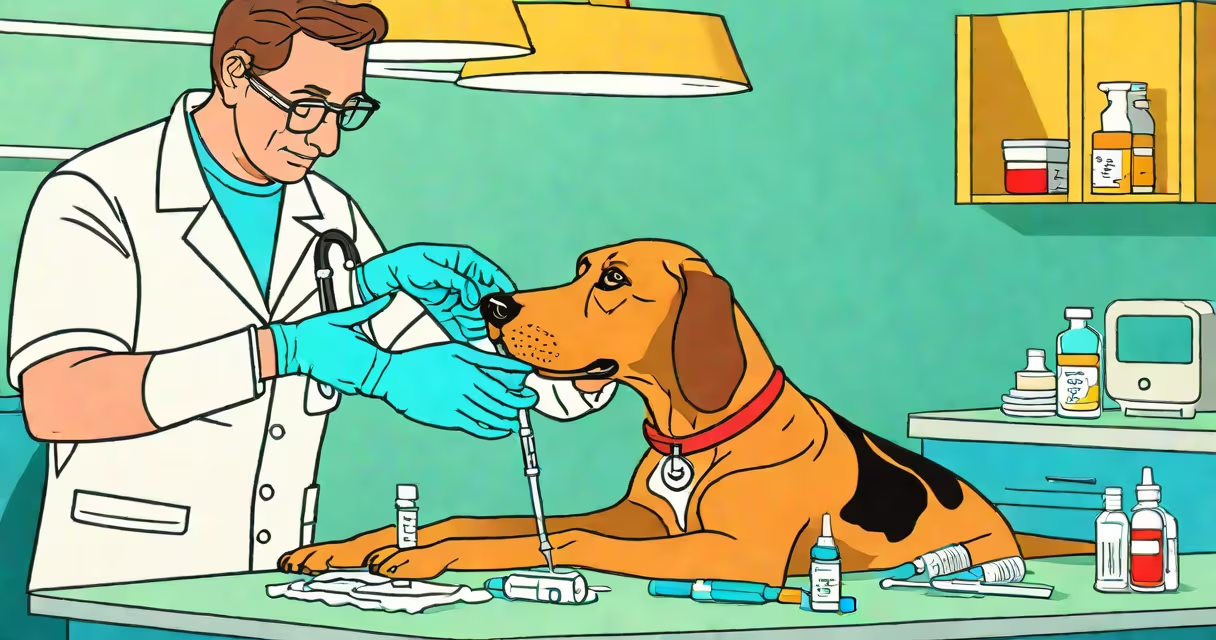
The core vaccines for dogs are those universally recommended by veterinary organizations to prevent severe, highly contagious, and often fatal diseases. These include vaccines for canine parvovirus, distemper, adenovirus (hepatitis), and leptospirosis. They form the foundation of every dog's preventive healthcare plan.
These vaccines are not optional. The American Veterinary Medical Association (AVMA) and the World Small Animal Veterinary Association (WSAVA) both list these four diseases as requiring routine immunization in all dogs, regardless of lifestyle or geographic location. Failure to vaccinate increases the risk of outbreaks and death, especially in puppies and unvaccinated adults.
Core vaccines introduce a harmless version of a virus or bacterium-either inactivated, modified live, or using genetic fragments-to train the dog's immune system. When exposed to the real pathogen later, the immune system responds quickly and effectively, preventing illness or reducing severity.
For example, the parvovirus vaccine contains a weakened form of the virus that triggers antibody production without causing disease. This immunity typically lasts at least three years, though boosters are still recommended based on local guidelines and individual risk factors.
Immunity builds over time. Puppies receive maternal antibodies through their mother's milk, which can interfere with early vaccinations. That's why puppies get a series of shots every 3-4 weeks starting at 6-8 weeks of age, continuing until they're 16 weeks old. This ensures protection during the window when maternal antibodies fade.
The following table outlines the four core vaccines, their target diseases, and typical administration schedules.
| Vaccine | Disease Prevented | Initial Series | Booster Frequency |
|---|---|---|---|
| Canine Parvovirus (CPV) | Severe gastrointestinal illness, often fatal in puppies | At 6, 9, 12, and 16 weeks | Every 1-3 years after initial series |
| Canine Distemper Virus (CDV) | Respiratory, neurological, and skin disease; high mortality | At 6, 9, 12, and 16 weeks | Every 1-3 years after initial series |
| Canine Adenovirus (CAV-2) | Canine infectious hepatitis; affects liver and eyes | At 6, 9, 12, and 16 weeks | Every 1-3 years after initial series |
| Leptospirosis (L. interrogans serovars) | Bacterial infection affecting kidneys and liver; zoonotic risk | At 12 and 16 weeks (some protocols start earlier) | Annually due to shorter immunity duration |
Each vaccine targets a pathogen with high transmission rates and significant public health implications. For instance, parvovirus spreads through feces and can survive in soil for months. A single infected dog can expose dozens in shelters or parks.
Some veterinarians combine multiple core vaccines into a single injection (e.g., DHPP for distemper, hepatitis, parainfluenza, and parvovirus). These combination vaccines reduce stress and visits for puppies while maintaining efficacy.
Core vaccines are administered at every licensed veterinary clinic in the United States and most countries with regulated animal health systems. They are required for boarding facilities, dog parks, grooming services, and training classes.
For example, a 2022 study published in the Journal of the American Veterinary Medical Association found that 87% of shelter dogs admitted with clinical signs of parvovirus had not received their full puppy series. Of those, 63% died despite treatment. This underscores the life-saving role of timely core vaccination.
Even indoor-only dogs need core vaccines. A dog that never leaves the house can still be exposed via contaminated shoes, clothing, or visitors. Canine distemper has been documented in household pets with no known outdoor exposure.
Many people assume that "core" means "only needed once." This is incorrect. While immunity from core vaccines can last several years, revaccination is still advised based on updated guidelines. The AVMA recommends revaccinating against distemper and parvovirus every 1-3 years, depending on risk level and test results.
Another misconception is that natural immunity from surviving a disease provides better protection than vaccines. This is false. Surviving parvovirus often leads to long-term intestinal damage. Recovery doesn't guarantee immunity, and reinfection is possible. Vaccines provide safer, more consistent protection.
A less obvious point: not all vaccines are created equal. Some low-cost clinics use older formulations with higher reactogenicity (side effects). A 2021 WSAVA survey showed that modified-live vaccines had a 4.2% incidence of mild fever or lethargy within 24 hours, compared to 1.8% with killed-virus versions. Choosing a reputable provider reduces adverse events.
Consider Max, a 6-week-old Labrador puppy adopted from a rescue group. His vet begins his core vaccine series at 6 weeks with DHPP (distemper, hepatitis, parainfluenza, parvovirus) and Lepto. At 9 weeks, he receives a second DHPP and Lepto dose. At 12 weeks, he gets a third DHPP and Lepto booster. The final set occurs at 16 weeks.
Max's owner avoids taking him to dog parks or pet stores until after the 16-week visit. This prevents exposure during the vulnerable period when maternal antibodies have waned but vaccine immunity hasn't yet solidified.
At 1 year, Max receives a booster for DHPP and Lepto. His vet performs a titer test-a blood test measuring antibody levels-and finds protective titers for distemper and parvovirus. Based on this result, the vet recommends extending the next DHPP booster to 3 years, following the principle of individualized care.
This example shows that core vaccines aren't one-size-fits-all. Decisions depend on age, medical history, environment, and laboratory testing.
Core vaccines for dogs are non-negotiable in preventive medicine. They stop diseases that cause suffering, death, and economic burden. Skipping any of them puts the dog, other animals, and even humans at risk.
When planning your dog's healthcare, consult your veterinarian to follow the latest guidelines. Always verify that your vet uses up-to-date formulations and tracks vaccination records properly. If you're considering a different approach, such as titer testing instead of routine boosters, discuss it thoroughly-titer tests don't replace vaccines in all cases.