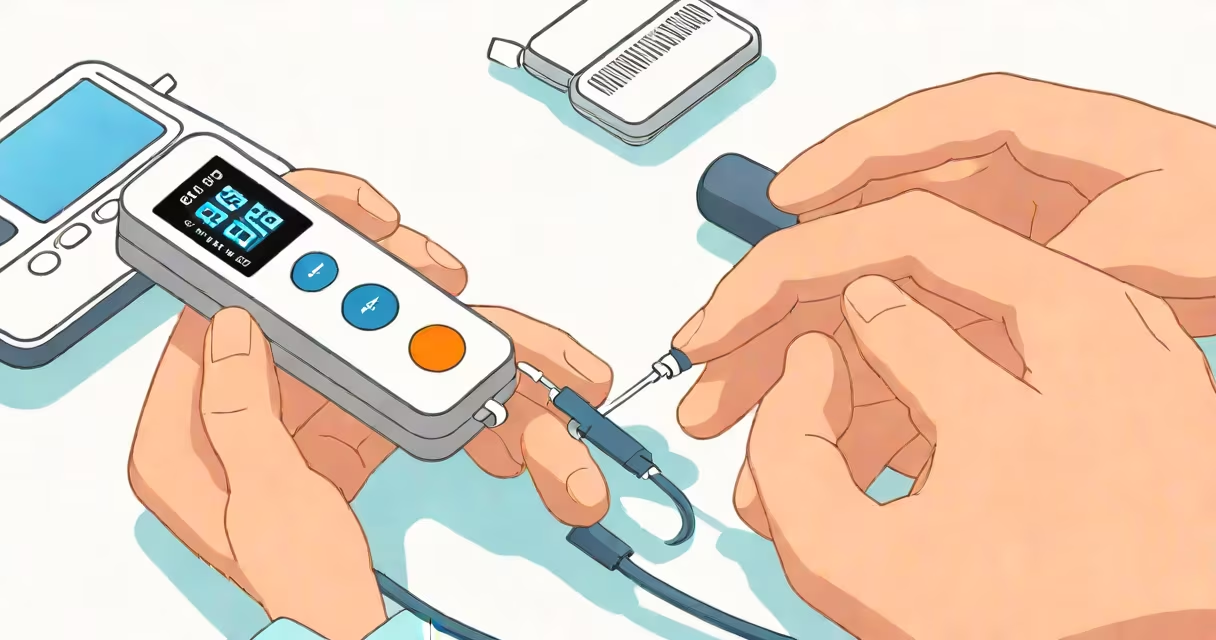
Low oxygen levels, or hypoxemia, occur when blood oxygen saturation drops below 92%, impairing organ function and signaling underlying health issues. This condition arises from problems in breathing, circulation, or oxygen delivery, often indicating treatable medical conditions.
Oxygen enters the body through the lungs, binds to hemoglobin in red blood cells, and travels to tissues. When this process fails at any stage-due to airway obstruction, poor gas exchange, or reduced cardiac output-oxygen levels fall. A pulse oximeter reading below 90% typically signals concern, requiring evaluation.
Common triggers include chronic obstructive pulmonary disease (COPD), pneumonia, pulmonary embolism, and heart failure. High altitude, sleep apnea, and severe anemia also reduce oxygen availability. Some people experience acute drops during illness, while others have persistent low levels due to long-term conditions.
The body relies on efficient gas exchange in the alveoli-tiny air sacs in the lungs. When these are damaged or flooded, oxygen cannot pass into the bloodstream. Conditions like emphysema destroy alveolar walls, reducing surface area for exchange. Pulmonary edema fills alveoli with fluid, blocking oxygen transfer.
Even if lungs are healthy, low oxygen can result from poor blood flow. Heart failure reduces cardiac output, limiting oxygen delivery to tissues. A pulmonary embolism blocks pulmonary arteries, preventing blood from reaching oxygen-rich areas. These scenarios lead to tissue hypoxia, where cells lack oxygen despite adequate supply.
External factors also play a role. At elevations above 8,000 feet, atmospheric pressure drops, lowering available oxygen. Breathing in carbon monoxide or smoke reduces hemoglobin's ability to carry oxygen. Smoking damages cilia and increases mucus, narrowing airways and trapping stale air.
Several medical conditions consistently cause low oxygen levels. COPD affects 16 million Americans, according to the American Lung Association. It includes emphysema and chronic bronchitis, both narrowing airways and damaging alveoli. Patients often show resting saturation below 90%.
Pneumonia inflames lung tissue and fills alveoli with fluid or pus. A 2021 study in *The Lancet* found that severe pneumonia reduced oxygen saturation in 60% of hospitalized patients. Without treatment, hypoxemia worsens rapidly.
Sleep apnea interrupts breathing during sleep. Obstructive sleep apnea occurs when the airway collapses, leading to repeated drops in oxygen. The American Academy of Sleep Medicine reports that untreated apnea causes nighttime saturations below 90% in 80% of cases.
Heart conditions such as congestive heart failure impair blood flow. Reduced left ventricular function limits oxygenated blood delivery. A 2020 study in *Circulation* linked low ejection fraction (<40%) to frequent hypoxemia episodes.
| Condition | Primary Mechanism | Avg Saturation Range |
|---|---|---|
| COPD | Alveolar destruction, airway narrowing | 88-92% |
| Pneumonia | Alveolar filling with fluid/infection | 85-90% |
| Sleep Apnea | Recurrent airway collapse during sleep | 80-88% |
| Pulmonary Embolism | Arterial blockage in lungs | 85-92% |
People often assume low oxygen is always due to lung disease. But systemic issues like anemia or heart failure can cause hypoxemia without respiratory symptoms. A patient with severe anemia may have normal breathing but still exhibit low saturation because hemoglobin is reduced.
Another error is equating low oxygen with shortness of breath. Not everyone with hypoxemia feels breathless. Some individuals adapt slowly, especially those with chronic conditions. A 2019 study in *Respiratory Care* found that 35% of COPD patients had saturation below 90% without reporting dyspnea.
Some confuse low oxygen with low carbon dioxide. Hypocapnia (low CO₂) results from rapid breathing, not low oxygen. These are distinct imbalances. For example, anxiety-induced hyperventilation lowers CO₂ but raises oxygen levels.
In 2022, a 67-year-old man with a history of smoking presented with fatigue and confusion. His pulse oximeter read 87%. Chest X-ray revealed bilateral infiltrates. He was diagnosed with community-acquired pneumonia and treated with antibiotics. Within 48 hours, his saturation rose to 96%.
Another case involved a 52-year-old woman with unexplained fatigue. Her resting saturation was 89%, but she denied breathing issues. Further testing revealed moderate heart failure with reduced ejection fraction. After starting diuretics and ACE inhibitors, her oxygen levels normalized.
These cases show that low oxygen can manifest subtly. Routine screening, especially in older adults or those with chronic illnesses, is essential. The American Thoracic Society recommends checking oxygen saturation in patients with chronic respiratory symptoms or those recovering from hospitalization.
Seek immediate care if oxygen saturation drops below 90% at rest, especially with symptoms like confusion, chest pain, or blue lips. Emergency departments use arterial blood gas tests to confirm hypoxemia and identify root causes.
For ongoing monitoring, home pulse oximeters offer convenience. However, they are not diagnostic tools. A single low reading doesn't confirm a problem. Repeated measurements below 92% warrant evaluation.
Low oxygen levels are not a standalone diagnosis. They signal a breakdown in respiratory, circulatory, or metabolic systems. Understanding the root cause is critical for effective treatment. Ignoring persistent hypoxemia risks organ damage, including brain and heart injury.
Low oxygen levels stem from multiple pathways. Identifying the specific cause enables targeted therapy. Whether due to lung disease, heart failure, or environmental exposure, addressing the underlying issue restores oxygen balance and supports health.