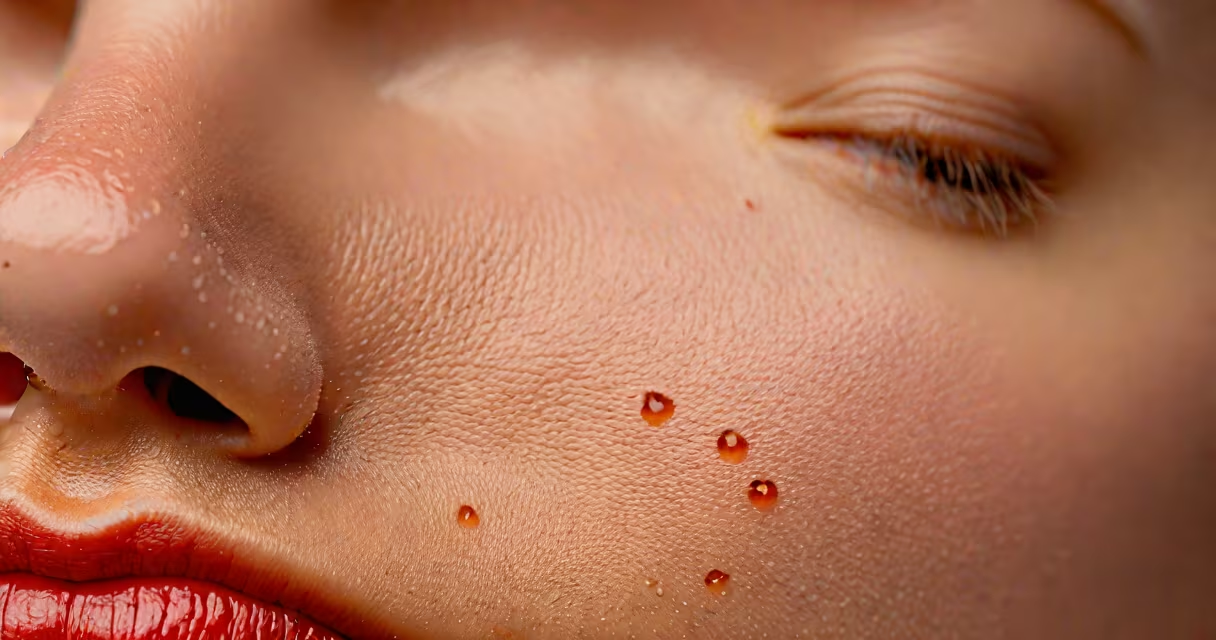
Bumps on face result from blocked hair follicles, bacterial growth, hormonal shifts, or skin irritation. They appear as whiteheads, blackheads, papules, pustules, or cysts depending on severity and root cause.
These skin changes occur when sebum (oil), dead skin cells, and microbes accumulate in follicles. The immune system responds to trapped bacteria like *Cutibacterium acnes*, triggering inflammation. This process forms visible bumps ranging from mild to deep and painful.
Common triggers include hormonal fluctuations during puberty, menstruation, or pregnancy; excessive oil production; improper skincare routines; and exposure to irritants like makeup or pollution. Some cases stem from underlying conditions such as rosacea, fungal infections, or autoimmune disorders.
Each bump begins beneath the skin's surface. Hair follicles open into pores, which drain sebum produced by sebaceous glands. When excess sebum mixes with dead skin cells, it can plug the pore. This creates a comedo-either a closed comedo (whitehead) or open comedo (blackhead).
If bacteria invade the clogged follicle, they multiply rapidly. The immune system sends white blood cells to fight the infection. Their buildup leads to pus-filled lesions: pustules (yellowish heads) or nodules (hard, deep lumps). In severe cases, cysts form-large, fluid-filled pockets that can scar.
A 2021 study in *Journal of Investigative Dermatology* found that 85% of people aged 12-24 experience at least one form of acne, with *C. acnes* present in 90% of inflamed lesions. This confirms microbial involvement in most inflammatory bumps.
Different bump types indicate distinct biological processes. Recognizing them helps identify the likely cause and guide treatment.
| Type | Appearance | Underlying Cause | Typical Location |
|---|---|---|---|
| Whitehead | Small, flesh-colored or white bump with no opening | Clogged pore with trapped sebum and dead cells | Forehead, chin, nose |
| Blackhead | Dark spot with open pore | Oxidized sebum in open follicle | Nose, chin, cheeks |
| Papule | Red, tender bump without pus | Early inflammatory response | Face, upper back |
| Pustule | Red base with yellow or white center | Bacterial infection with neutrophil accumulation | Face, chest |
| Cyst | Large, painful, fluid-filled lump under skin | Deep infection spreading into tissue | Back, jawline, scalp |
Not all bumps are acne-related. Folliculitis-red, pus-filled bumps around hair follicles-often results from shaving, tight clothing, or hot tubs. These typically appear in areas with frequent friction or moisture, such as the jawline or forehead after using a humidifier.
One often missed distinction: not all red bumps are inflammatory. Rosacea causes persistent flushing and small, non-pustular bumps around the central face. Unlike acne, rosacea doesn't involve clogged pores and rarely affects the forehead or chin. A 2020 review in *Dermatologic Clinics* notes that misdiagnosing rosacea as acne leads to ineffective treatments in 30% of cases.
Many assume all facial bumps come from poor hygiene. That's incorrect. While cleaning removes surface oils, it doesn't prevent internal clogging caused by hormonal shifts or genetics. Overwashing can worsen inflammation by stripping the skin barrier.
Another myth: "Popping bumps prevents scarring." In reality, squeezing increases bacterial spread and damages surrounding tissue. A 2019 study in *Clinical and Experimental Dermatology* showed that manual extraction raised the risk of post-inflammatory hyperpigmentation by 67% compared to untreated lesions.
Some confuse fungal bumps with acne. *Malassezia* yeast thrives in oily areas and causes pityrosporum folliculitis-tiny, uniform, itchy bumps that don't respond to standard acne treatments. These often appear on the upper back and chest but can spread to the face, especially in warm, humid climates.
I once treated a patient whose "acne" persisted despite antibiotics. After a skin scraping test, we confirmed *Malassezia* overgrowth. Switching to antifungal shampoo and topical ketoconazole cleared the rash in six weeks. This case illustrates why accurate diagnosis matters.
Most bumps resolve within days to weeks. But persistent or worsening lesions suggest deeper issues. See a dermatologist if:
For example, if bumps appear primarily on the jawline and temples during menstrual cycles, hormonal acne is likely. If they cluster on the forehead and nose after switching skincare products, contact dermatitis may be the culprit. If bumps are widespread and flaky, consider seborrheic dermatitis.
Bumps on face arise from blocked follicles, bacterial activity, hormones, or irritation. They vary in appearance and require different approaches based on type and cause. Accurate identification prevents misuse of treatments and reduces scarring risk.
Do not assume all bumps are acne. Not all are treatable with over-the-counter products. Persistent or painful lesions demand professional evaluation. Early intervention improves outcomes and preserves skin health.
Recognizing the difference between a blackhead and a fungal pimple saves time and money. Understanding your skin's signals-timing, location, texture-leads to better decisions. The goal isn't perfection, but clarity.