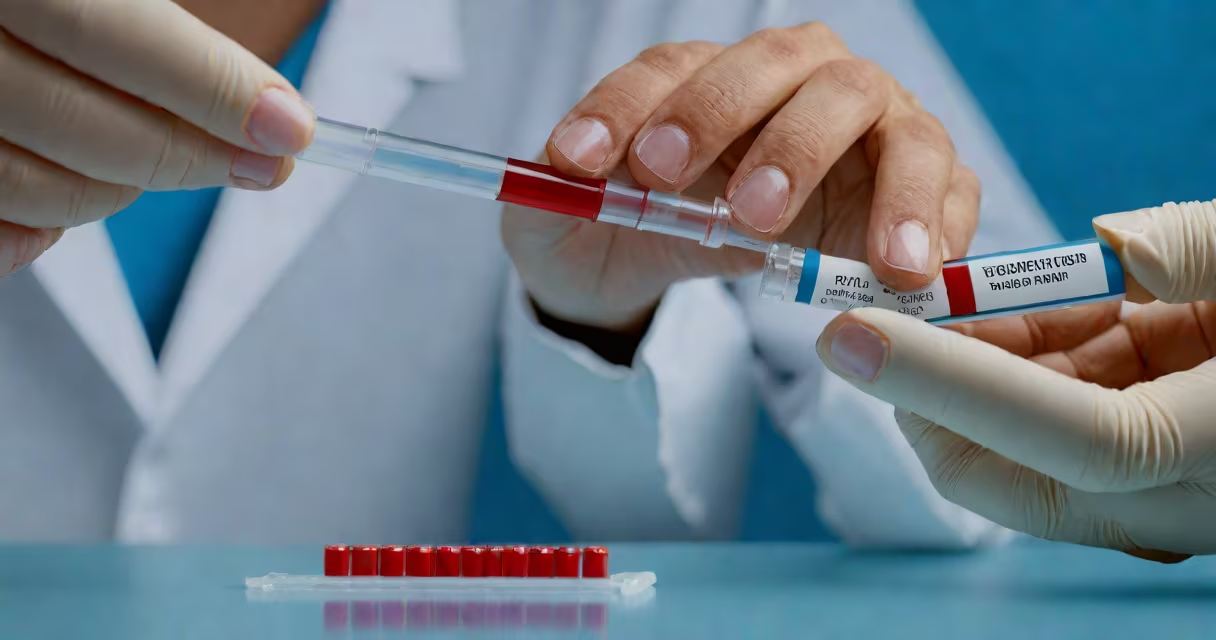
Prostate-specific antigen (PSA) is a protein produced by the prostate gland; elevated levels in the blood can signal inflammation, infection, benign enlargement, or prostate cancer. Levels above 4.0 ng/mL often prompt further testing, though context matters.
PSA is measured through a simple blood test. Normal levels typically fall below 4.0 nanograms per milliliter (ng/mL), though thresholds vary slightly by lab and age group. Levels between 4.0 and 10.0 ng/mL are considered mildly elevated and may warrant monitoring. Above 10.0 ng/mL raises concern for prostate cancer, though it's not diagnostic on its own.
The U.S. Preventive Services Task Force (USPSTF) notes that PSA screening reduces prostate cancer mortality by about 20% in men aged 55 to 69, but also leads to overdiagnosis and overtreatment in some cases. Decisions about screening should be individualized based on risk factors and patient preferences.
PSA is produced primarily by epithelial cells in the prostate. It enters the bloodstream in small amounts under normal conditions. When the prostate is irritated, damaged, or harboring abnormal tissue, more PSA leaks into circulation.
Laboratories measure total PSA, which includes both free and complexed forms. A ratio of free PSA to total PSA helps assess cancer risk. Men with a free PSA percentage below 10% have a higher likelihood of aggressive cancer, especially if total PSA is between 4.0 and 10.0 ng/mL.
For example, a 62-year-old man with a total PSA of 6.2 ng/mL and a free PSA of 0.5 ng/mL has a free PSA ratio of 8%. This low ratio increases suspicion for cancer, prompting a biopsy recommendation. In contrast, a 50-year-old with a total PSA of 3.8 ng/mL and a free PSA of 1.2 ng/mL (ratio 32%) is less likely to have significant disease.
Several non-cancerous conditions can raise PSA levels. Benign prostatic hyperplasia (BPH), a non-cancerous enlargement of the prostate common in men over 50, increases PSA production due to greater tissue volume. Studies show that BPH accounts for up to 70% of mild PSA elevations in older men.
Prostatitis, an inflammatory condition of the prostate, can cause sudden spikes in PSA. Acute bacterial prostatitis may improve PSA above 10 ng/mL, sometimes accompanied by fever, pelvic pain, and urinary symptoms. Chronic prostatitis may cause fluctuating levels without clear signs of infection.
Urological procedures such as digital rectal exams (DRE), cystoscopy, or transurethral resection of the prostate (TURP) can temporarily increase PSA by 50% or more within 24-48 hours. The American Urological Association recommends waiting at least 48 hours after such procedures before drawing a PSA blood sample.
Physical activity involving pressure on the perineum-such as long-distance cycling-can improve PSA by up to 25% in some men. A 2019 study published in *The Journal of Urology* found that men who rode bicycles for over 100 miles in a week had transient PSA rises averaging 2.3 ng/mL.
Sexual activity, particularly ejaculation, may cause a modest rise in PSA within 24 hours. While the effect is usually minor, it can influence results in borderline cases. Men are advised to abstain from sex for 48 hours prior to testing for accurate baseline readings.
Age-related changes also play a role. PSA levels naturally increase by about 0.04 ng/mL per year after age 40. A 70-year-old man with a PSA of 5.0 ng/mL may have no cancer, while a 50-year-old with the same level is more likely to require investigation.
PSA levels above 10.0 ng/mL carry a 30-40% chance of prostate cancer at biopsy, according to data from the Prostate Cancer Prevention Trial. Levels exceeding 20.0 ng/mL suggest advanced disease in many cases.
PSA velocity-the rate of change over time-is a useful predictor. A rise of more than 0.75 ng/mL per year increases cancer risk. For example, a man whose PSA climbs from 3.0 to 4.5 ng/mL over 2 years has a velocity of 0.75, placing him in a higher-risk category.
Genetic factors also contribute. Men with a family history of prostate cancer have a 2.5-fold increased risk of developing it, and their PSA levels tend to rise earlier and faster. The National Cancer Institute recommends earlier screening for these individuals, starting at age 40.
Many patients confuse PSA elevation with cancer. But elevated PSA is not synonymous with cancer. In fact, only about 25% of men with a PSA above 4.0 ng/mL are diagnosed with prostate cancer after biopsy.
One key distinction lies in PSA density-the ratio of total PSA to prostate volume, measured via MRI or ultrasound. A density below 0.15 ng/mL/cm³ suggests benign causes. A density above 0.15 raises suspicion for cancer, especially if the total PSA is high.
| Condition | Average PSA Range | Free PSA Ratio | Typical Symptoms |
|---|---|---|---|
| BPH (benign enlargement) | 4.0-10.0 ng/mL | Higher (>25%) | Urinary frequency, weak stream |
| Prostatitis | 5.0-15.0 ng/mL | Variable | Pelvic pain, fever, burning urination |
| Prostate cancer | 10.0+ ng/mL (often) | Lower (<10%) | Often asymptomatic early |
One non-obvious point: PSA levels can be influenced by medications. 5-alpha reductase inhibitors like finasteride reduce PSA by about 50% by shrinking prostate tissue. A man taking finasteride may have a PSA of 2.0 ng/mL, but his actual level without medication would be around 4.0. Clinicians must adjust for this when interpreting results.
I once reviewed a case where a 64-year-old man had a PSA of 11.2 ng/mL. He was otherwise healthy, with no urinary symptoms. His free PSA was 1.8 ng/mL (ratio 16%), and MRI showed a suspicious lesion. A targeted biopsy confirmed Gleason score 7 cancer. After treatment, his PSA dropped to undetectable levels. This case illustrates how PSA alone doesn't diagnose-but when combined with imaging and free PSA, it guides life-saving decisions.
If PSA is elevated, doctors evaluate risk using tools like the Prostate Health Index (PHI), which combines total PSA, free PSA, and [-2]proPSA. PHI improves cancer detection accuracy compared to total PSA alone.
Men with persistent elevation should undergo a multiparametric MRI of the prostate. If the scan shows a suspicious lesion (PI-RADS score 3 or higher), a targeted biopsy is recommended. For lesions with PI-RADS 4 or 5, biopsy is strongly advised.
When cancer is ruled out, follow-up testing every 6-12 months is standard. If levels continue to rise, further evaluation is needed. What causes a back to go out may seem unrelated, but spinal nerve compression from advanced cancer can mimic musculoskeletal pain-underscoring the need for thorough workups.
Elevated PSA is a signal-not a verdict. It prompts investigation, not panic. Understanding the causes behind rising levels helps men make informed choices about screening, treatment, and lifestyle adjustments. Early detection remains the most effective strategy against advanced disease.