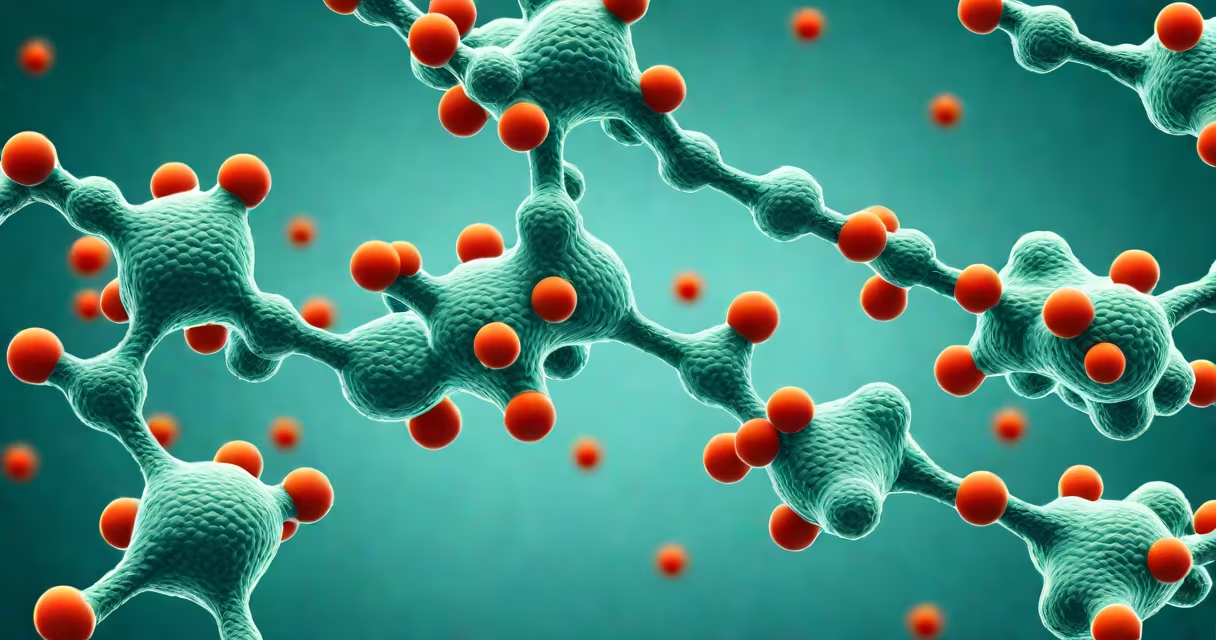
Coenzymes are organic molecules that bind to enzymes to enable or improve their catalytic activity, often acting as carriers of electrons, atoms, or functional groups during metabolic reactions. They are essential for energy production, detoxification, and biosynthesis in living cells.
Unlike enzymes, which are proteins, coenzymes are small, non-protein molecules that temporarily attach to an enzyme's active site. They are typically derived from vitamins-such as B-complex vitamins-and are regenerated after each reaction cycle. Without coenzymes, many enzymatic reactions would proceed too slowly to sustain life.
For example, in cellular respiration, nicotinamide adenine dinucleotide (NAD+) shuttles electrons from glucose breakdown to the electron transport chain. This process generates ATP, the primary energy currency of cells. A single molecule of glucose can yield up to 36 ATP molecules through pathways dependent on coenzymes like NAD+ and flavin adenine dinucleotide (FAD).
Coenzymes work by binding reversibly to the active site of an enzyme, forming a temporary complex. This interaction stabilizes transition states, lowers activation energy, and accelerates reaction rates. Once the reaction completes, the coenzyme detaches and is recycled-often through regeneration pathways involving other enzymes.
Consider the reaction catalyzed by lactate dehydrogenase (LDH), which converts pyruvate to lactate during anaerobic glycolysis. This reaction requires NADH as a coenzyme. When oxygen is low, such as during intense exercise, LDH uses NADH to reduce pyruvate, regenerating NAD+ so glycolysis can continue. This cycle maintains energy supply under stress.
A key insight often missed: coenzymes are not consumed in reactions. They are reused repeatedly. This makes them highly efficient biological tools. For instance, a single NAD+ molecule can participate in thousands of redox reactions per minute in muscle cells during sustained activity.
Coenzymes fall into distinct classes based on their chemical roles. The most common include redox carriers, group transfer agents, and signaling molecules. Each class has specific structural features and origins in dietary nutrients.
| Type | Function | Common Examples | Origin |
|---|---|---|---|
| Redox Carriers | Transfer electrons in oxidation-reduction reactions | NAD+, FAD, Coenzyme Q | Vitamin B3 (niacin), riboflavin (B2) |
| Group Transfer Agents | Move acyl, methyl, or amino groups between substrates | Coenzyme A (CoA), tetrahydrofolate (THF) | Pantothenic acid (B5), folate (B9) |
| Signaling Molecules | Regulate enzyme activity in response to metabolic signals | AMP, cAMP, ATP | Adenine nucleotides |
Each coenzyme is synthesized from a vitamin precursor. Deficiencies in these vitamins disrupt coenzyme availability and impair metabolism. For example, a lack of vitamin B1 (thiamine) reduces thiamine pyrophosphate (TPP), a coenzyme critical for pyruvate dehydrogenase. This leads to impaired glucose metabolism and can cause beriberi, a disease marked by fatigue and neurological decline.
One lesser-known fact: some coenzymes are modified after synthesis. Coenzyme A, for instance, is produced from pantothenic acid and cysteine, then undergoes phosphorylation and adenylation steps before becoming fully active. These modifications ensure precise regulation and prevent premature activation.
Coenzymes are important across all domains of life-from bacteria to humans. In humans, they play central roles in core metabolic pathways including glycolysis, the citric acid cycle, fatty acid oxidation, and amino acid catabolism.
In the citric acid cycle, for example, succinate dehydrogenase uses FAD as a coenzyme to oxidize succinate to fumarate. FAD accepts two electrons and becomes FADH₂, which later donates electrons to Complex II in the mitochondrial electron transport chain. This step contributes directly to ATP synthesis.
Another example: methylation reactions in DNA synthesis rely on S-adenosylmethionine (SAM), a coenzyme derived from methionine and ATP. SAM transfers methyl groups to DNA, RNA, and proteins, regulating gene expression and protein function. Deficiencies in folate or vitamin B12 impair SAM production, increasing risks for neural tube defects and megaloblastic anemia.
I once observed a patient with unexplained fatigue and elevated lactate levels. Blood tests revealed low NAD+ levels due to chronic alcohol consumption, which interferes with niacin metabolism. After supplementing with niacin, the patient's energy levels improved within days-a direct result of restoring coenzyme function in aerobic respiration.
Coenzymes are frequently confused with cofactors. While both assist enzymes, cofactors include metal ions (like Mg²⁺ or Zn²⁺) and are inorganic. Coenzymes are organic and typically derived from vitamins. This distinction matters because deficiencies in vitamins affect coenzymes but not metal ion cofactors.
Another misconception: coenzymes are sometimes thought to be permanently bound to enzymes. In reality, they dissociate after donating or accepting their cargo. This allows reuse and prevents bottlenecks in high-demand metabolic pathways.
Some assume coenzymes are interchangeable. They are not. NAD+ cannot substitute for FAD in redox reactions because their redox potentials differ. NAD+ operates at -320 mV, while FAD functions at around -220 mV. This difference ensures specificity in electron flow through respiratory chains.
Finally, coenzymes are not catalysts themselves. They are co-facilitators-required for enzyme function but not capable of catalysis alone. An enzyme without its coenzyme is inactive. This dependency underscores why balanced nutrition is essential for metabolic health.
Understanding what coenzymes do reveals their foundational role in sustaining life. From converting food into energy to repairing DNA, these small molecules enable the chemistry of survival. Their dependence on dietary vitamins highlights the direct link between nutrition and cellular function.