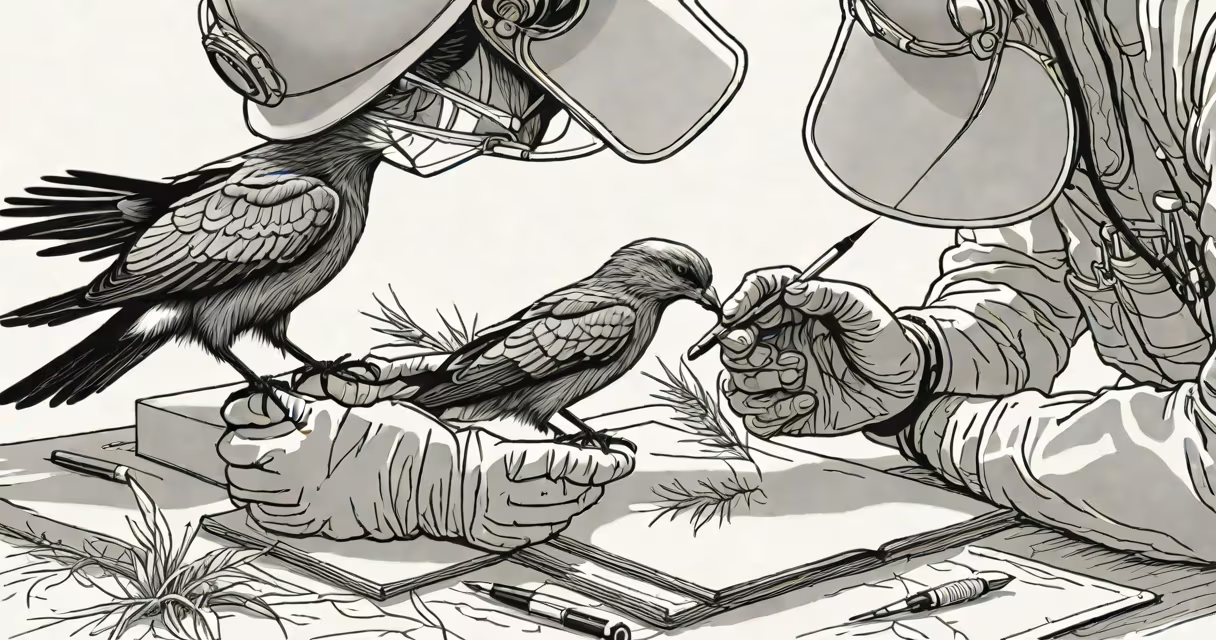
Wildlife veterinarians diagnose, treat, and rehabilitate wild animals affected by injury, illness, or human conflict. They work in clinics, field settings, and research environments, combining clinical expertise with ecological awareness to restore animals to healthy lives in nature.
These professionals handle cases ranging from a fox with a broken leg to a sea turtle with plastic in its digestive tract. Their work spans emergency care, preventive medicine, and long-term recovery planning. Unlike general veterinarians who focus on pets or livestock, wildlife vets specialize in species that cannot be domesticated and often lack access to consistent medical support.
According to the American Veterinary Medical Association (AVMA), wildlife veterinarians must complete a Doctor of Veterinary Medicine (DVM) degree, followed by advanced training in zoological or exotic animal medicine. Many pursue additional certification through the American College of Zoological Medicine (ACZM).
Wildlife vets assess injuries using physical exams, imaging tools like X-rays and ultrasounds, and blood tests. They stabilize animals in shock, manage pain, and treat infections with species-appropriate medications. For example, a raccoon with a fractured radius may receive a splint and antibiotics tailored to its metabolism.
Surgical procedures are common. A raptor with a lead poisoning episode may require chelation therapy and liver biopsies. In marine settings, a stranded dolphin with pneumonia might undergo oxygen therapy and fluid replacement via intravenous catheters. These interventions demand precision and adaptability due to limited equipment and unpredictable animal behavior.
Rehabilitation includes behavioral enrichment and habitat simulation. A young bobcat recovering from trauma might be housed in a large enclosure with trees and hiding spots to maintain natural instincts. Release decisions depend on health status, survival skills, and location suitability-often involving collaboration with wildlife biologists.
Wildlife vets use tools not standard in companion-animal practice. They employ chemical immobilization agents like ketamine or dexmedetomidine to safely sedate large or aggressive animals. For birds, they use specialized wing wraps and soft restraint nets. Field teams carry portable ultrasound units and rapid diagnostic kits for on-site testing.
Handling venomous snakes or large predators requires training in safety protocols. A vet treating a rattlesnake bite in a coyote must wear puncture-resistant gloves and use a bite-proof cage during examination. In remote areas, mobile clinics equipped with generators and refrigerated medication storage enable life-saving care far from hospitals.
A 2022 study published in *Journal of Wildlife Diseases* found that 68% of wildlife rehab centers rely on volunteer-trained staff for basic care, but all surgical and complex medical decisions remain under licensed veterinary supervision. This underscores the critical role of vet oversight in maintaining ethical standards and minimizing mortality rates.
Wildlife vets do not routinely "adopt" animals. They don't keep them as pets. All animals are treated with the goal of return to the wild unless deemed non-releasable due to permanent disability or habituation to humans.
They also don't operate independently in most regions. Legal frameworks govern wildlife handling. In the U.S., the Endangered Species Act and state wildlife codes require permits for capture, treatment, and release. Without proper authorization, even well-intentioned actions can result in fines or criminal charges.
Some assume wildlife vets work exclusively in zoos or national parks. While those roles exist, many practice in private rehabilitation facilities, government agencies like the U.S. Fish and Wildlife Service, or nonprofit organizations such as the International Fund for Animal Welfare (IFAW).
Wildlife vets encounter diverse scenarios. Below is a breakdown of common conditions and typical responses:
| Animal Type | Common Issue | Treatment Approach | Recovery Time |
|---|---|---|---|
| Bird of prey | Lead poisoning from spent ammunition | Chelation therapy, blood transfusion, monitored diet | 3-6 weeks |
| Deer fawn | Malnutrition and dehydration | Oral rehydration fluids, high-protein milk substitute | 2-4 weeks |
| Sea turtle | Entanglement in fishing net | Surgical removal of debris, wound cleaning, antibiotics | 4-8 weeks |
| Small mammal (e.g., opossum) | Tick-borne disease (Lyme-like symptoms) | Antibiotics, anti-inflammatory drugs, supportive care | 3-5 weeks |
For example, in 2021, a wildlife vet team in Florida treated a juvenile green sea turtle found floating near a marina. Blood tests revealed elevated liver enzymes and signs of ingested plastic. After surgery to remove a plastic bag fragment from its stomach, the turtle received IV fluids and antibiotics. It was released six weeks later after passing behavioral and swimming tests.
Becoming a wildlife vet requires years of education. First, a bachelor's degree in biology, animal science, or a related field. Then, admission to a DVM program-typically four years. After graduation, aspiring wildlife vets seek internships or residencies in exotic animal medicine, often at accredited zoos or wildlife hospitals.
Many complete a fellowship in wildlife medicine, which can last 1-2 years. The Wildlife Society and AVMA recognize these programs as essential for developing expertise in species-specific physiology and conservation ethics.
I once assisted a wildlife vet during a bat rescue in Arizona. We used a mist net to capture a colony affected by white-nose syndrome. The vet collected swabs for fungal testing, administered antifungal treatments, and released healthy individuals after quarantine. That experience showed me how fieldwork demands both technical skill and emotional resilience.
Most wildlife vets work in collaboration with conservation groups, government agencies, and research institutions. The U.S. Department of Agriculture's Wildlife Services program employs vets to manage conflicts between animals and agriculture. In Canada, the Canadian Wildlife Health Cooperative coordinates vet efforts across provinces during disease outbreaks.
International organizations like the World Organisation for Animal Health (WOAH) set global standards for wildlife disease surveillance. During the 2020 African elephant poaching crisis, wildlife vets helped identify gunshot wounds and track illegal trade patterns through forensic analysis.
When a bear cub is found alone in a forest, local authorities contact a wildlife vet to assess whether it's orphaned or merely separated. If confirmed, the vet provides temporary care while coordinating with a sanctuary. This decision-making process reflects the balance between intervention and preservation of natural behaviors.
Despite best efforts, some animals cannot survive. A vet may euthanize a severely injured mountain lion with spinal damage to prevent prolonged suffering. Ethical guidelines from the AVMA emphasize humane endpoints based on quality of life assessments, not convenience.
One non-obvious fact: many wildlife vets contribute to public health. Zoonotic diseases-those jumping from animals to people-require early detection. A vet diagnosing rabies in a raccoon prevents community exposure. In 2023, a wildlife vet in Colorado identified a novel strain of avian influenza in migratory birds, triggering regional poultry biosecurity measures.
Wildlife vets are frontline responders in ecological emergencies. Their work helps individual animals recover, populations remain stable, and ecosystems stay resilient. Their role is not just medical-it's deeply rooted in stewardship, science, and the belief that every creature deserves a chance to live free.
What do wildlife vets do? They heal wild animals, restore balance to ecosystems, and uphold the responsibility to care for creatures beyond human control. Their work bridges medicine, ecology, and ethics-making them important guardians of biodiversity.