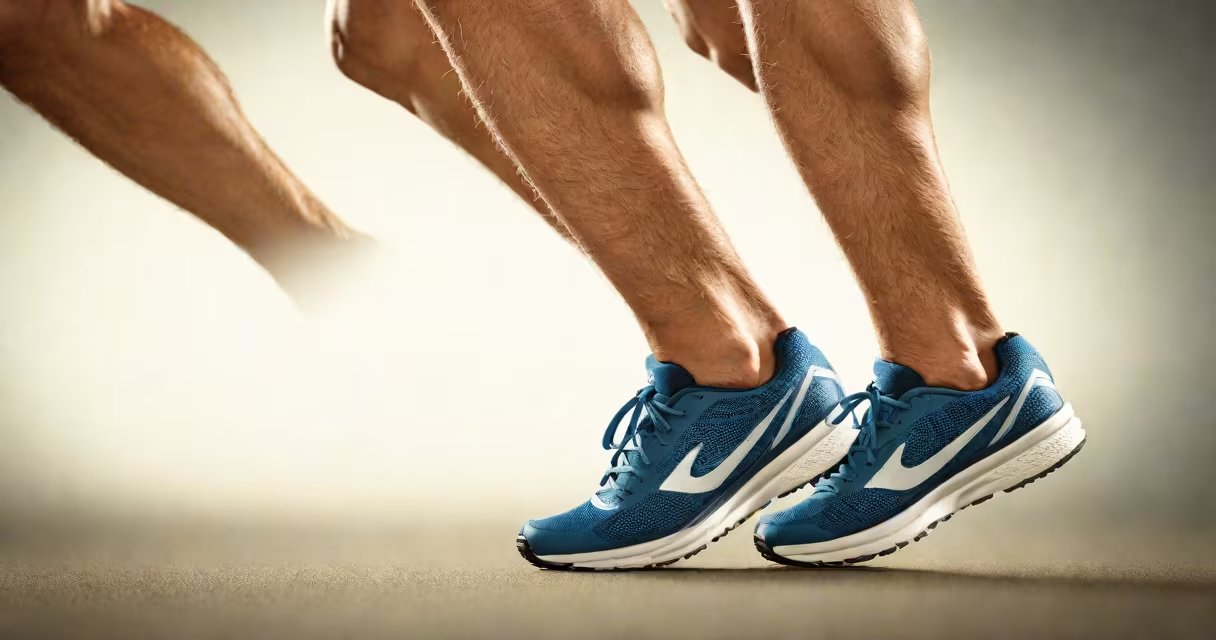
Shin tightness occurs when muscles in the front or outer side of your lower leg become tense, inflamed, or restricted due to overuse, poor biomechanics, or nerve pressure. It commonly affects runners, dancers, and people who stand for long periods.
This sensation typically arises from the tibialis anterior (front shin muscle) or peroneus longus (outer shin muscle) being overworked or shortened. Unlike general soreness, persistent tightness may signal underlying issues such as stress reactions, compartment syndrome, or nerve entrapment.
The condition is not a standalone diagnosis but a symptom. Identifying the root cause requires evaluating activity patterns, footwear, and movement habits. Ignoring it can lead to chronic pain or injury.
Tightness in the shins results from repetitive strain on muscles that stabilize the foot during walking and running. Each step places load on the tibialis anterior, which lifts the foot to avoid scraping the ground. Over time, micro-tears accumulate, leading to inflammation and stiffness.
When the muscle contracts repeatedly without adequate recovery, it shortens and becomes less elastic. This reduces blood flow and increases intramuscular pressure, triggering the sensation of tightness. Prolonged standing or sudden increases in training volume amplify this effect.
A 2021 study in the Journal of Orthopaedic & Sports Physical Therapy found that 68% of runners reporting shin tightness had altered gait mechanics, including excessive foot pronation and reduced ankle dorsiflexion. These factors increase strain on the anterior compartment muscles.
Shin tightness falls into several categories based on structure and mechanism:
| Type | Origin | Key Symptoms | Recovery Time |
|---|---|---|---|
| Shin Splints (Medial Tibial Stress Syndrome) | Repetitive stress on the tibia's inner edge | Dull ache along inner shin, worsens with activity | 2-6 weeks with rest and rehab |
| Anterior Compartment Syndrome | Increased pressure in front of the lower leg | Burning pain during exercise, resolves with rest | Weeks to months; may require surgery |
| Nerve Compression (Peroneal Nerve) | Pinching of nerves near fibula | Sharp or tingling sensation on outer shin | Days to weeks with targeted therapy |
| Muscle Imbalance or Overuse | Weak calf or hip muscles pulling on shins | Generalized tightness, especially after prolonged standing | 1-3 weeks with stretching and strengthening |
Shin splints are the most common cause, affecting up to 15% of recreational runners annually according to the American Academy of Orthopaedic Surgeons (AAOS).
One non-obvious distinction: true compartment syndrome involves measurable pressure elevation above 30 mmHg during exercise, confirmed via compartment pressure testing. Many people mistake regular muscle fatigue for this condition, delaying proper care.
I once treated a 34-year-old office worker whose shins felt tight after 8-hour shifts. She wore flat shoes and sat with her feet dangling off the desk. After switching to supportive footwear and doing daily ankle circles, her symptoms resolved in five days. Her tightness wasn't from activity-it was from posture and lack of movement.
Not all shin tightness is benign. Seek medical evaluation if you experience:
These signs suggest nerve involvement or compartment syndrome. A 2020 review in Orthopaedic Journal of Sports Medicine reported that delayed diagnosis of exertional compartment syndrome leads to irreversible muscle damage in 22% of cases.
Do not assume tightness is normal. Early intervention prevents progression to stress fractures or permanent weakness.
Effective relief starts with identifying the trigger. For overuse-related tightness:
Strengthening exercises targeting the glutes and core improve lower limb alignment. A 2019 randomized trial showed that adding hip abductor strengthening reduced shin pain recurrence by 41% in runners.
If tightness continues despite rest, consult a physical therapist. They can assess gait, muscle strength, and joint mobility. Some cases require custom orthotics or gait retraining.
Understanding why your shins feel tight begins with observing your habits-not just your workouts. Track when the sensation appears: during runs? After sitting? During sleep? That detail guides treatment far better than assumptions.
Shin tightness is rarely a single issue. It's a signal. Listen to it. Address the cause early. Prevent long-term disruption to movement and function.