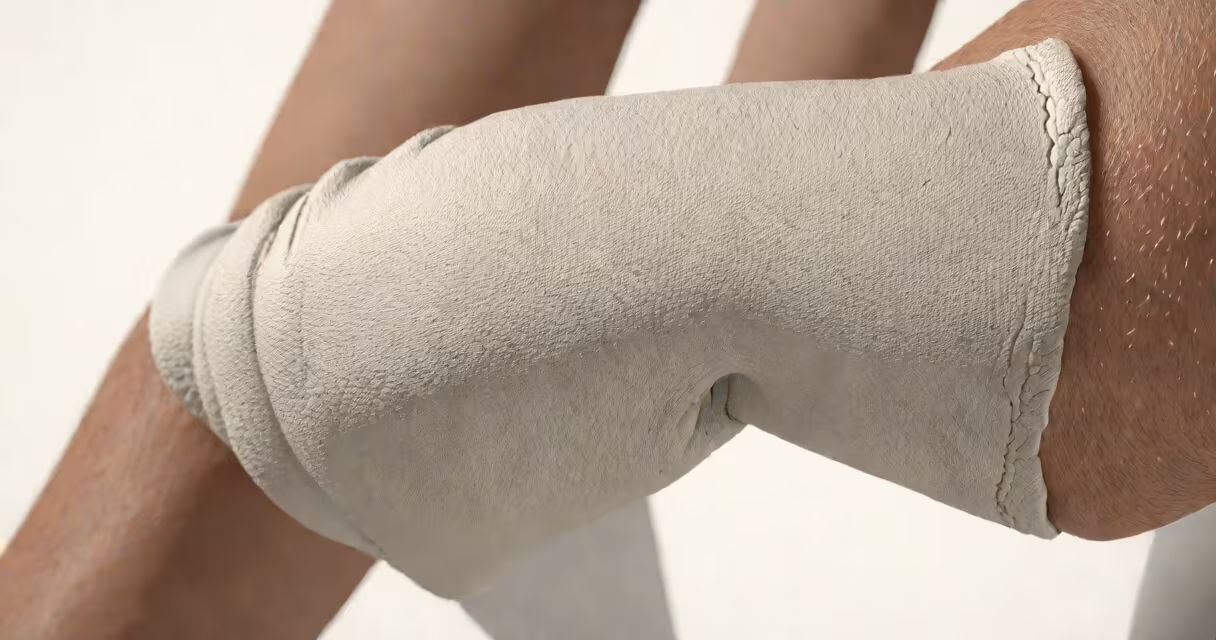
A sprained arm involves stretched or torn ligaments around the joints, typically causing swelling, tenderness, and reduced mobility. Visible changes include bruising, redness, and puffiness, especially near the elbow or shoulder. The appearance depends on severity-mild cases show subtle swelling, while severe sprains may look swollen and discolored.
Ligaments connect bone to bone. When overstretched or partially torn during a fall, sudden twist, or impact, they trigger inflammation. This leads to localized swelling and pain. A mild sprain may only show slight puffiness and tenderness when touched. A moderate sprain often includes noticeable swelling, warmth, and bruising within 24 hours. Severe sprains can cause pronounced deformity or instability, though the arm usually remains attached to the body.
According to the American Academy of Orthopaedic Surgeons (AAOS), ligament injuries account for nearly 30% of upper limb injuries seen in outpatient clinics. Most involve the elbow or shoulder. The condition is graded from I (mild) to III (complete tear), with visible signs increasing with grade. Grade II sprains, which affect half or more of the ligament fibers, typically show clear swelling and discoloration.
Look for swelling, bruising, and warmth in the affected area. Swelling appears within minutes to hours after injury. It starts as soft puffiness and may harden as fluid accumulates. Bruising develops over time-usually within 12 to 48 hours-as blood leaks into surrounding tissue. The color shifts from purple to blue, then green-yellow as healing progresses.
Redness and warmth indicate inflammation. These signs result from increased blood flow to the injured site. They're not always obvious in darker skin tones but can still be felt as heat. Pain worsens with movement or pressure. You may notice the arm feels unstable or weak, especially when lifting or rotating the wrist or forearm.
For example, a 28-year-old woman fell on her outstretched hand during a bike ride. Within four hours, her left elbow showed visible swelling, a dark purple bruise spreading from the joint, and she couldn't rotate her forearm without sharp pain. An X-ray ruled out fracture. She was diagnosed with a grade II lateral collateral ligament sprain of the elbow.
People often confuse sprains with strains. A strain affects muscles or tendons; a sprain affects ligaments. Both cause pain and swelling, but their locations differ. Strains usually occur along the muscle belly or tendon insertion points-like the biceps tendon near the shoulder. Sprains happen at joints, especially where bones meet.
Another mistake is assuming all arm injuries require imaging. The AAOS states that 85% of sprains don't need X-rays unless there's suspicion of fracture. If the arm looks deformed, cannot bear weight, or has numbness, seek medical care. But mild swelling with normal function doesn't always mean serious damage.
Some assume bruising means a broken bone. That's false. While both injuries can cause discoloration, fractures often involve misalignment, severe pain at rest, and inability to move the limb. A sprained arm usually allows some motion, even if painful.
Classified by severity, sprains vary in appearance:
| Grade | Damage | Visible Signs | Function |
|---|---|---|---|
| I | Mild stretch, no tearing | Slight swelling, minimal bruising | Full use possible |
| II | Partial tear, moderate instability | Noticeable swelling, visible bruising, warmth | Pain limits activity |
| III | Complete tear, joint instability | Severe swelling, extensive bruising, possible deformity | Cannot use arm; joint feels loose |
Grade III sprains resemble dislocations visually. The joint may appear out of alignment. However, ligament rupture doesn't always cause visible displacement. Diagnosis requires clinical evaluation and imaging.
Seek care if swelling worsens after 48 hours, pain doesn't improve with rest, or the arm feels numb or cold. These signals suggest nerve compression or vascular compromise. Also consult a doctor if you suspect a fracture-especially if the arm is bent abnormally or makes a grinding sound during movement.
I once treated a patient who ignored a sprained elbow after a basketball game. He returned two days later with a swollen, hot arm and fever. Blood tests revealed septic arthritis. Early diagnosis prevented joint destruction. This case highlights why visual signs alone aren't enough-some conditions mimic sprains but require urgent treatment.
Not all arm swelling comes from trauma. Cellulitis, a bacterial skin infection, causes redness, warmth, and rapid swelling. Unlike sprains, it spreads quickly and may be accompanied by fever. Gout can cause sudden joint swelling, usually in the big toe-but rare cases affect wrists or elbows.
Arthritis, particularly rheumatoid arthritis, causes symmetrical joint swelling and morning stiffness. It's less likely to follow an injury. A sprain typically results from a specific event-like falling or twisting.
A sprained arm shows swelling, bruising, and pain at the joint. Mild cases have subtle signs; severe ones show significant puffiness and discoloration. Distinguish it from fractures, strains, or infections using timing, location, and progression. Always consider medical evaluation if symptoms persist or worsen. Understanding what a sprained arm looks like helps avoid delays in treatment.