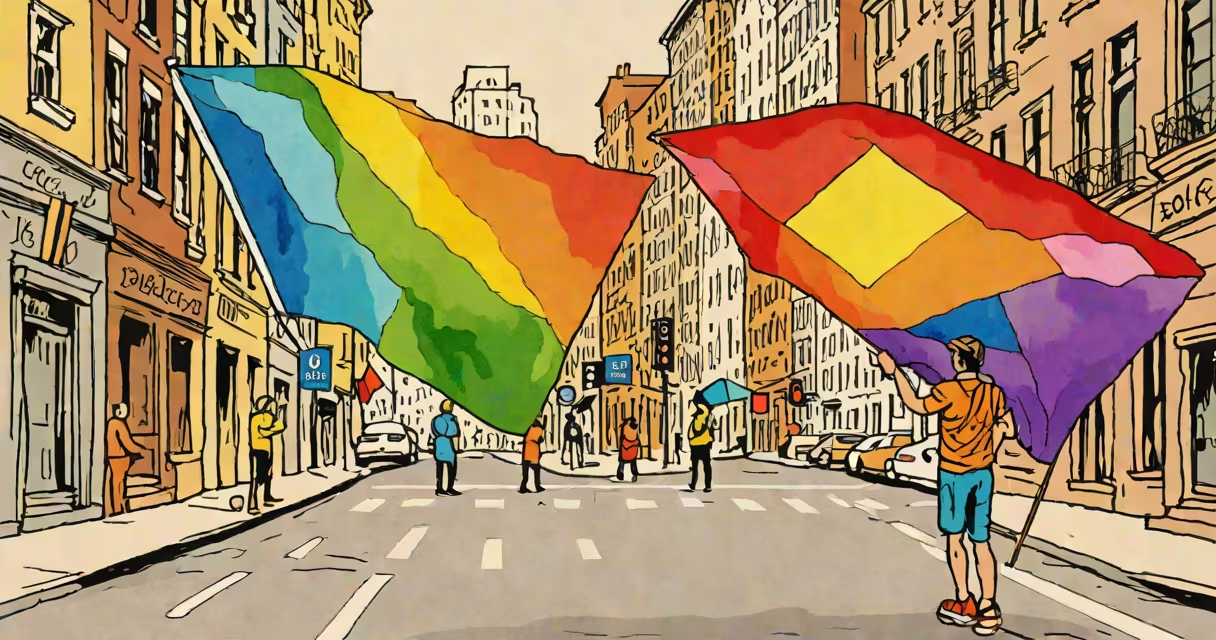
Ace is shorthand for asexual within the LGBTQ+ community. An asexual person experiences little or no sexual attraction to others, regardless of gender. This identity is distinct from celibacy, which is a choice to abstain from sex, and is recognized as a valid sexual orientation under the broader LGBTQ+ umbrella.
The term "ace" originated in online LGBTQ+ spaces in the early 2000s. It gained visibility through forums, social media, and advocacy groups focused on sexual minority identities. According to the Human Rights Campaign, asexual people make up approximately 1% of the U.S. population, though many report feeling invisible in mainstream discussions of sexuality.
Ace is not a single experience. Some asexual people may feel romantic attraction, while others do not. Those who experience romantic feelings without sexual desire often identify as panromantic, homoromantic, or heteroromantic, depending on their romantic orientation. For example, someone who feels romantic toward all genders but not sexually is likely both asexual and panromantic.
Asexuality is defined by the absence of sexual attraction-not by lack of desire, activity, or relationships. Asexual people can have fulfilling romantic partnerships, engage in intimate acts, and form families. Sexual behavior is not required for emotional connection or long-term commitment.
Some asexual individuals experience sexual arousal or pleasure but do not feel attraction. Others may develop attraction over time, especially in emotionally close relationships. These experiences fall under subcategories such as grey-asexuality (rare or situational attraction) or demisexuality (attraction only after forming a strong emotional bond).
Research from the Journal of Sex Research shows that asexual people are more likely to report higher levels of relationship satisfaction when partners understand their orientation. Misunderstandings often arise when people assume asexual individuals are "broken," "lazy," or "not trying hard enough." These assumptions stem from cultural norms that equate romance with sex.
The ace community includes several recognized subtypes based on how individuals experience attraction. These are not rigid categories but tools for self-understanding and communication.
| Type | Description | Example |
|---|---|---|
| Asexual | No sexual attraction to any gender | Someone who has never felt sexually drawn to anyone |
| Grey-asexual | Very rare or situational sexual attraction | Feels sexual interest only once in a lifetime |
| Demisexual | Attraction only after deep emotional connection | Only feels attracted after months of friendship |
| Biromantic asexual | Romantic attraction to two or more genders, no sexual attraction | Feels love for people of multiple genders but no desire to have sex |
These distinctions help reduce isolation. A 2021 survey by the Asexual Visibility and Education Network (AVEN) found that 68% of participants reported feeling less alone after learning about the spectrum of asexuality.
Ace is frequently mistaken for celibacy, abstinence, or mental health conditions. Celibacy is a personal choice to refrain from sex. Asexuality is a lack of sexual desire, not a decision. One can be celibate and still experience sexual attraction; one can be asexual and choose to have sex.
Another misconception is that asexual people are "emotionally cold" or "uninterested in intimacy." This is false. Many asexual people value deep emotional bonds, share lives with partners, and participate in queer communities. A 2020 study published in Archives of Sexual Behavior found that asexual individuals were just as likely as heterosexual peers to report high-quality friendships and romantic relationships.
Some assume asexuality is a phase or a result of trauma. While trauma can affect sexual function, asexuality is not caused by it. The American Psychological Association recognizes asexuality as a legitimate sexual orientation, not a disorder or symptom.
The ace symbol-a capital A with a diagonal line through it-is used globally in LGBTQ+ events, social media, and merchandise. It appears on pride flags, pins, and tattoos. The symbol was standardized in 2010 by AVEN and is now widely adopted.
Using "ace" in conversation signals inclusion. Saying "I'm ace" invites discussion about identity without requiring explanation. It also helps people find support networks. Online platforms like Reddit's r/ace and Discord servers dedicated to asexuality host daily discussions, resources, and peer counseling.
I once attended a Pride parade in Portland where a group of friends wore shirts with the ace symbol. One participant told me, "For years, I thought I was broken because I didn't want sex. Finding the ace community helped me realize I wasn't alone-and that my way of being is valid."
Understanding ace requires distinguishing it from similar terms. Panromantic describes romantic attraction to all genders. Demisexual refers to sexual attraction only after emotional bonding. These are not mutually exclusive with asexuality.
For example, a person might be panromantic and demisexual. They feel romantic attraction to all genders and only develop sexual interest after a deep emotional connection. They are not asexual, but they may still identify with the ace community due to shared experiences of marginalization.
Ace means asexual in the LGBTQ+ context. It represents a valid, diverse, and growing identity. Recognizing it supports inclusion, reduces stigma, and fosters understanding. supporting someone else, knowing what ace means is the first step toward respect and belonging.