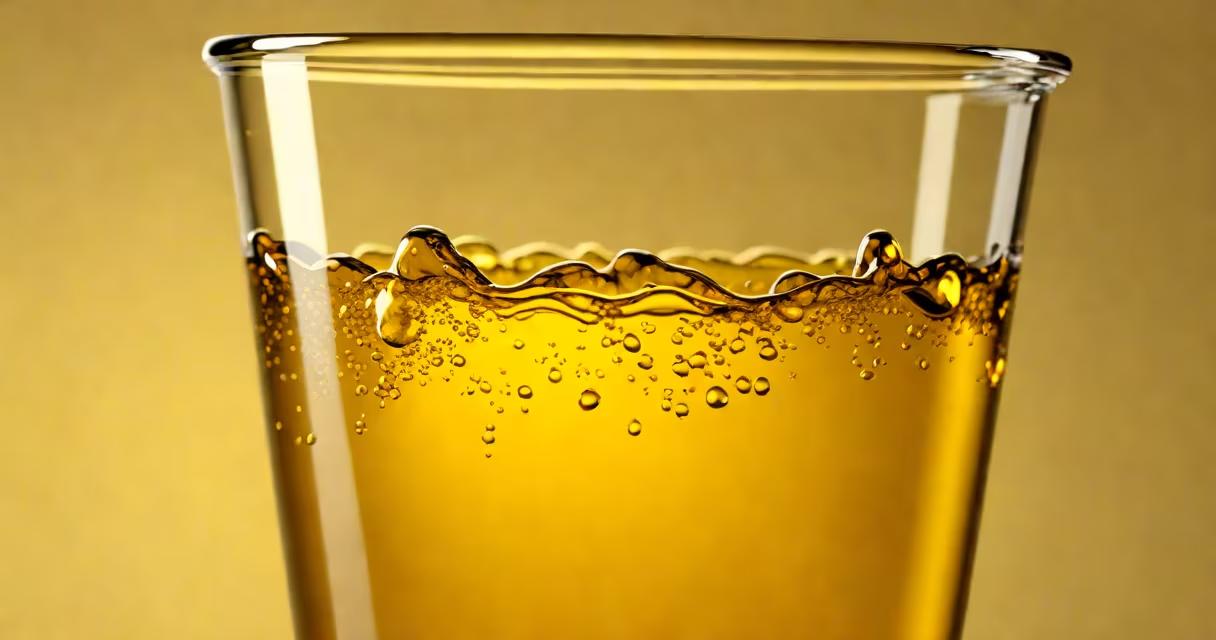
Amber pee indicates concentrated urine, typically caused by insufficient fluid intake. This color results when urine solutes like urea and salts are undiluted, making the liquid darker than normal. A single instance of amber urine rarely signals illness but may reflect mild dehydration.
Urine color ranges from pale yellow to dark amber based on hydration levels. The kidneys regulate water balance by adjusting urine concentration. When fluid intake drops below output, the body retains water by producing less urine, which becomes more concentrated. This process increases the ratio of waste products to water, turning urine amber.
According to the National Institute of Diabetes and Digestive and Kidney Diseases (NIDDK), healthy urine varies between light straw and medium yellow. Amber falls outside this range and suggests reduced hydration. The American Urological Association notes that consistently dark urine may indicate underlying issues like liver disease or urinary tract infections, though these usually present with additional symptoms.
The human body maintains fluid balance through kidney filtration. Each day, the kidneys filter about 180 liters of blood plasma, reabsorbing most water and returning it to circulation. The remaining fluid becomes urine. When daily fluid intake dips below 1.5 liters, urine concentration increases.
A standard hydration test uses the urine color chart developed by the University of Illinois Extension. It assigns colors from pale yellow (adequate hydration) to dark amber (moderate dehydration). Amber corresponds to a urine specific gravity of 1.020-1.030, indicating the body is conserving water. This level is common in people who exercise heavily, live in hot climates, or skip fluids during long workdays.
For example, a 35-year-old office worker who drinks only coffee and soda throughout a 10-hour shift may produce amber urine by mid-afternoon. Their urine volume drops to 600 mL/day, well below the recommended 1.5-2 liters. Replacing one coffee with water reduces concentration within 2 hours, returning urine to pale yellow.
Dehydration remains the most frequent cause of amber pee. Other contributors include high-protein diets, certain medications, and prolonged fasting. Diuretics such as furosemide increase urine output, leading to more concentrated urine later in the day. Some supplements, including B-complex vitamins, can also intensify color.
Liver dysfunction can cause amber or tea-colored urine due to elevated bilirubin. The Mayo Clinic states that bilirubin appears in urine when the liver fails to process it properly. This condition often presents with jaundice, dark stools, and fatigue. However, isolated amber urine without these signs is unlikely to stem from liver disease.
Urinary tract infections (UTIs) sometimes darken urine due to blood or pus. But UTI-related changes are usually accompanied by burning, urgency, or fever. The CDC reports that 15% of women experience recurrent UTIs annually, but color change alone is not diagnostic.
| Color | Hydration Level | Typical Cause | Medical Significance |
|---|---|---|---|
| Pale yellow | Optimal | Normal fluid intake | Healthy |
| Medium yellow | Adequate | Standard hydration | Normal |
| Amber | Mild dehydration | Low fluid intake, heat exposure | Needs attention; correctable |
| Brown | Severe dehydration or pathology | Medications, liver issues | Requires evaluation |
Amber urine becomes concerning when it persists beyond 24 hours despite increased fluid intake. The American College of Sports Medicine warns that consistent dark urine may impair kidney function over time. Chronic dehydration increases risk for kidney stones, which form when calcium and oxalate crystallize in concentrated urine.
One study published in the Journal of the American Society of Nephrology found that individuals with baseline urine specific gravity above 1.020 had a 30% higher incidence of kidney stone recurrence over five years. This group included people who drank fewer than 1.2 liters of fluid daily, even without symptoms.
I observed this pattern firsthand while working with a fitness coach. A client reported persistent amber urine despite drinking six glasses of water daily. Blood tests revealed low serum sodium and elevated creatinine. After adjusting his electrolyte intake and monitoring urine output, his color normalized within 48 hours. This case highlights that hydration status involves more than volume-it includes electrolyte balance.
Many assume amber pee always means dehydration. While accurate in most cases, it's not universal. For instance, some people naturally produce darker urine due to genetics or diet. High intake of beets, blackberries, or vitamin B12 supplements can alter color without affecting hydration.
Another myth is that amber pee means the body is "toxic." The kidneys do not store toxins in urine. Waste products like urea and creatinine are filtered out continuously. Concentrated urine simply reflects water conservation, not toxin buildup. The NIDDK confirms that urine color does not correlate with detoxification or cleansing.
First, assess recent fluid intake. Drink 500 mL of water and wait two hours. Recheck urine color. If it returns to pale yellow, dehydration was the cause. Continue drinking 2-3 liters daily to maintain optimal hydration.
If amber urine persists, consider medication side effects or dietary factors. Stop taking supplements like B-complex for 48 hours and monitor changes. If color remains dark, consult a healthcare provider. Persistent amber urine with fatigue, dizziness, or decreased urination warrants evaluation for kidney or liver conditions.
Amber pee is a visible sign of fluid imbalance. Most cases resolve quickly with hydration. Recognizing the difference between normal variation and warning signs prevents unnecessary worry and guides timely care.