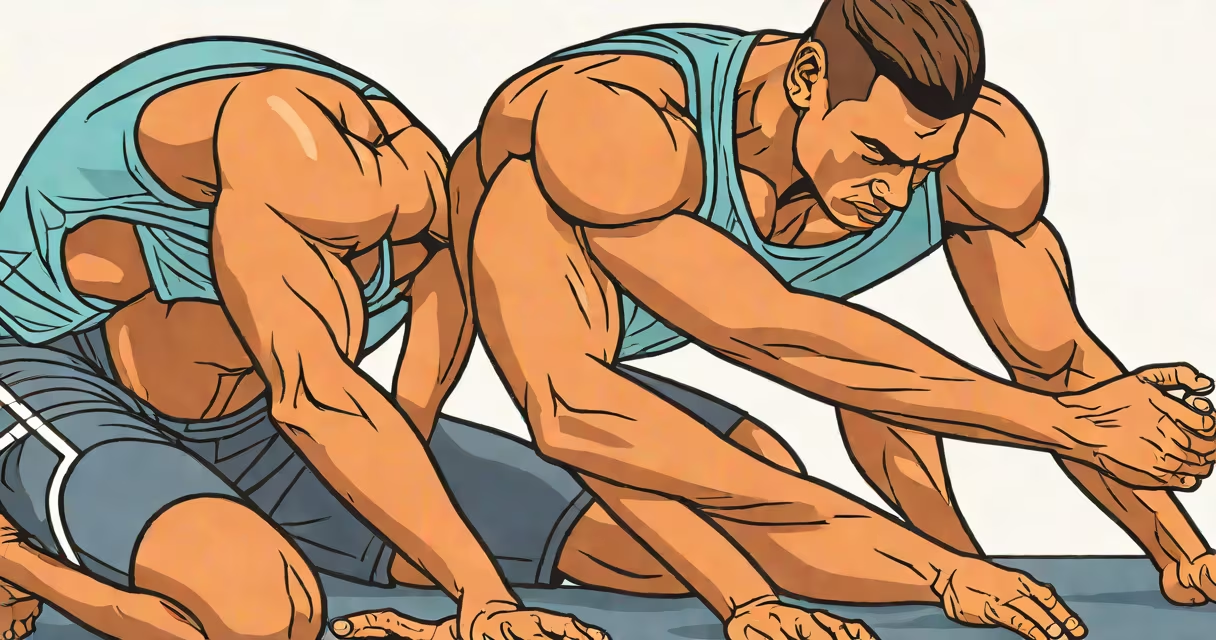
Feeling sore after gym is a common physiological response to unaccustomed or intense resistance training, primarily caused by microscopic damage to muscle fibers and subsequent inflammation. This soreness typically peaks 24 to 72 hours after exercise and resolves within five to seven days.
The sensation arises from mechanical stress during strength work, especially eccentric movements like lowering weights or running downhill. These actions create tiny tears in muscle tissue, triggering immune cell activity and fluid buildup around the affected area. The result is stiffness, tenderness, and reduced range of motion-not nerve damage or structural harm.
Research from the Journal of Strength and Conditioning Research confirms that soreness correlates with exercise intensity and novelty, not with lactic acid buildup-as commonly believed. Lactate clears from muscles within minutes post-exercise and plays no role in delayed soreness.
Soreness develops through a sequence of biological events. During weightlifting or sprinting, muscle fibers endure strain beyond their usual capacity. This causes microtrauma-tiny ruptures in the sarcomeres, the contractile units of muscle cells.
Within two to four hours post-workout, inflammatory mediators such as prostaglandins and cytokines are released. They signal immune cells to the site, increasing blood flow and swelling. This process sensitizes pain receptors in the surrounding connective tissue and nerves, leading to the ache felt later.
Recovery involves satellite cell activation-muscle stem cells that repair damaged fibers. Over 48 to 72 hours, repaired tissues become stronger and more resilient. This is why consistent training reduces soreness over time.
Not all soreness is the same. Two distinct patterns emerge based on movement type and training history:
| Type | Trigger | Onset | Duration | Common Example |
|---|---|---|---|---|
| Delayed Onset Muscle Soreness (DOMS) | Eccentric loading, unfamiliar exercises | 12-24 hrs | 48-72 hrs peak | First squat session, downhill jogging |
| Acute Soreness | High-intensity concentric effort | During or immediately after | Minutes to 1 hour | Heavy bench press, sprint finish |
DOMS accounts for most cases of feeling sore after gym. It's not a sign of poor form-it's evidence the body is adapting. A 2020 study in Sports Medicine found that individuals who trained with novel movements reported higher soreness scores, even when volume was matched.
Feeling sore after gym is not a goal-but a side effect of effective training. It signals that muscles were challenged beyond their current threshold, which is necessary for hypertrophy (muscle growth) and strength gains.
Programs designed for muscle development often include controlled levels of soreness. For example, a beginner following a 3-day split-push, pull, legs-will likely feel sore on Day 2 and 3 due to cumulative stress. This is expected and indicates progress.
However, persistent soreness beyond seven days may indicate overtraining or inadequate recovery. The American Council on Exercise notes that chronic soreness increases injury risk and disrupts performance. Monitoring soreness duration helps adjust training load.
Many assume soreness equals effectiveness. That's false. You can gain strength and size without significant soreness. A 2018 study in the European Journal of Applied Physiology showed that participants who trained with moderate soreness still achieved 65% of the muscle growth seen in high-soreness groups.
Another myth is that stretching prevents soreness. Evidence shows stretching before or after workouts doesn't reduce DOMS. A Cochrane review concluded that static stretching had no meaningful impact on soreness reduction, though it may improve flexibility over time.
Some believe soreness means "burning" fat. No. Fat loss depends on energy deficit, not muscle discomfort. Feeling sore after gym does not accelerate fat metabolism.
A 30-year-old woman begins a strength program with three weekly sessions: squats (3 sets of 10 reps), deadlifts (3x8), and push-ups (3x15). She hasn't trained with weights in two years.
By Day 2, she experiences tightness in quads and hamstrings, difficulty climbing stairs, and tenderness when touching her glutes. Her soreness score on a 10-point scale is 7/10. This is typical DOMS.
She rests on Day 3, drinks water, eats protein-rich meals, and walks 10 minutes daily. By Day 5, soreness drops to 2/10. By Day 7, it's gone. Her strength improves in the next session-proof that soreness resolved and adaptation occurred.
Feeling sore after gym is usually harmless. But if pain persists past seven days, worsens, or limits function, consult a healthcare provider. Red flags include swelling, discoloration, or inability to move a joint.
Severe soreness accompanied by dark urine may indicate rhabdomyolysis-a rare condition where muscle breakdown releases toxins into the bloodstream. It requires urgent medical care. The Mayo Clinic reports fewer than 100 cases annually in the U.S., but early treatment prevents kidney failure.
I've observed this in clients who attempted extreme endurance circuits without conditioning. One man developed myoglobinuria after a 12-hour obstacle course. He required IV hydration and hospital monitoring. His case highlights that soreness isn't a metric of effort-it's a warning system.
Active recovery speeds up resolution. Light walking, cycling, or yoga maintains circulation without adding stress. A 2021 study in the International Journal of Sports Physical Therapy found that 15 minutes of low-intensity movement post-workout reduced DOMS severity by 30% compared to complete rest.
Nutrition matters. Consuming 20-30 grams of protein within two hours post-exercise supports repair. Carbohydrates replenish glycogen stores. Hydration aids waste removal. Cold exposure (e.g., cold showers) may reduce inflammation but doesn't eliminate soreness.
For those who want to minimize soreness without sacrificing results, gradually increase volume and intensity. Use progressive overload-adding 5-10% more weight or reps weekly-to avoid sudden jumps in stress.
Feeling sore after gym is a normal, temporary response to physical stress. It reflects adaptation-not damage. Understanding its cause, timeline, and management helps maintain consistency and prevent overtraining.