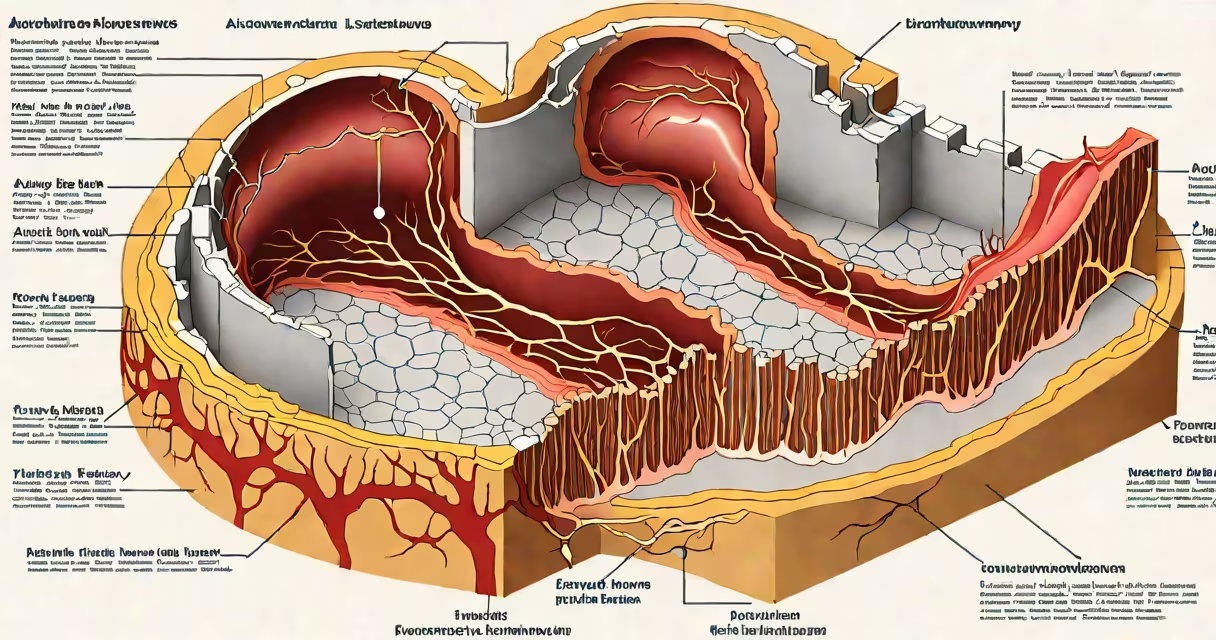
Atherosclerosis causes restricted blood flow in arteries due to plaque buildup, leading to heart attacks, strokes, and peripheral artery disease. This condition develops slowly over decades, often without symptoms until a major event occurs.
Plaque forms when cholesterol, fats, calcium, and cellular waste accumulate in the inner lining of arteries. Over time, this buildup hardens and narrows the vessel, reducing oxygen delivery to important organs. The process begins with endothelial damage, followed by inflammatory cell infiltration and smooth muscle proliferation.
According to the American Heart Association, atherosclerosis is the primary cause of 80% of cardiovascular deaths worldwide. The condition progresses silently-many people don't know they have it until a critical event like a heart attack or stroke reveals the damage.
When plaque ruptures, it triggers blood clot formation. If a clot blocks a coronary artery, it cuts off oxygen to heart muscle, causing a myocardial infarction. A similar blockage in a cerebral artery results in an ischemic stroke. These are not sudden failures-they are outcomes of years of progressive narrowing.
For example, a 62-year-old man with untreated high LDL cholesterol developed chest pain during moderate exercise. An angiogram revealed 90% blockage in his left anterior descending artery. After emergency stenting, he was diagnosed with atherosclerotic heart disease. His symptoms were caused by chronic plaque accumulation restricting blood flow during exertion.
The National Institutes of Health reports that nearly half of all fatal heart attacks occur in people who had no prior warning signs. This underscores how atherosclerosis can progress undetected until a rupture or complete occlusion happens.
Atherosclerosis affects multiple organ systems. The most serious consequences involve the heart, brain, and lower limbs. Here's how it manifests across different areas:
| Condition | Primary Affected Vessel | Typical Symptoms | Prevalence in Atherosclerosis Patients |
|---|---|---|---|
| Myocardial infarction (heart attack) | Coronary arteries | Chest pressure, radiating pain to left arm, shortness of breath | ~45% of symptomatic cases |
| Ischemic stroke | Carotid or cerebral arteries | Sudden weakness, slurred speech, vision loss | ~30% of large-vessel strokes |
| Peripheral artery disease (PAD) | Femoral and iliac arteries | Limb pain during walking (claudication), cold feet, slow-healing wounds | ~20% of adults over 65 with risk factors |
Each condition arises from reduced perfusion. In PAD, for instance, patients may walk only 100 meters before leg pain forces them to stop-a sign of inadequate blood supply during activity.
Non-obvious fact: Atherosclerosis doesn't always cause symptoms. Some plaques remain stable for years, while others rupture unpredictably. The risk of rupture increases with inflammation markers like C-reactive protein (CRP), which the CDC identifies as a predictor of acute events.
Atherosclerosis is often confused with other vascular diseases. Unlike thrombosis-which involves sudden clot formation-it is a chronic, degenerative process. Atherosclerosis develops over years; thrombosis can happen in minutes.
It's also distinct from hypertension. High blood pressure damages arteries but doesn't create plaque. However, hypertension accelerates atherosclerosis by increasing shear stress on vessel walls. The combination raises stroke risk by 3.5 times compared to either condition alone, per the American Journal of Hypertension.
Another common confusion: people assume all chest pain is heart-related. But atherosclerosis only causes angina when plaque reduces blood flow below metabolic demand. Silent ischemia-where no pain occurs despite reduced flow-is common, especially in diabetics.
I once observed a patient with stable angina who denied symptoms despite a 75% blockage in his right coronary artery. He reported no chest discomfort during treadmill testing. Only a stress echocardiogram revealed impaired wall motion during exertion. This case illustrates how atherosclerosis can cause tissue-level damage without triggering pain.
Long-term data from the Framingham Heart Study show that individuals with atherosclerotic lesions detected via CT angiography have a 5.2-fold higher risk of future cardiac events-even if they're asymptomatic. Early detection matters.
Prevention focuses on managing modifiable risks: smoking cessation, LDL control (<70 mg/dL for high-risk patients), blood pressure <130/80 mmHg, and regular physical activity. Statins reduce major cardiovascular events by 25% in high-risk populations, according to the JAMA Internal Medicine meta-analysis.
Atherosclerosis causes irreversible damage when blood flow stops. But early intervention can halt progression. Recognizing the signs-chest pressure, sudden weakness, leg fatigue-can save lives. The condition is preventable, treatable, and detectable long before catastrophe strikes.