Being a good steward means responsibly managing resources-time, money, people, land, or information-entrusted to you with integrity, foresight, and accountability. It's not about ownership but about careful, ethical oversight for the benefit of current and future users.
Stewardship is the practice of safeguarding assets not for personal gain, but to preserve their value and utility over time. A good steward acts with discipline, transparency, and long-term thinking, even when immediate rewards aren't visible.
This concept applies across domains: environmental conservation, financial planning, nonprofit governance, and personal relationships. It reflects a mindset of responsibility rather than control.
A good steward evaluates decisions based on impact beyond the present moment. They ask: Who benefits now? Who will benefit later? What risks exist? How can harm be minimized?
For example, a city park manager who allocates annual funds to maintain playground equipment doesn't spend all the budget on new swings. Instead, they reserve part for repairs and replacements over five years. This prevents sudden breakdowns and avoids emergency spending. That's stewardship: balancing immediate needs with future stability.
Another example: a nonprofit board member overseeing donations for a youth education program. Rather than distributing all funds in one year, they plan disbursements over three years, ensuring consistent programming and avoiding burnout among staff. They track outcomes and adjust allocations based on results-not emotion or pressure.
Effective stewardship rests on four traits: accountability, foresight, integrity, and sustainability. These aren't abstract ideals-they're measurable behaviors.
| Trait | Definition | Real-World Sign |
|---|---|---|
| Accountability | Answering for actions and outcomes. | Reporting quarterly progress to donors, even when results are negative. |
| Foresight | Planning for future needs and risks. | Setting aside 10% of a project's budget for unexpected maintenance. |
| Integrity | Acting consistently with values, even under pressure. | Rejecting a grant offer that requires misleading reporting. |
| Sustainability | Maintaining resource quality over time. | Rotating crop types on farmland to prevent soil depletion. |
There are different forms of stewardship. Environmental stewards protect ecosystems. Financial stewards manage budgets with care. Digital stewards secure data without misuse. Each role demands context-specific skills-but all share the same foundation: trustworthiness and long-term thinking.
Organizations rely on stewards to maintain trust. A 2021 study by the Pew Research Center found that 76% of Americans believe leaders in business and government fail to act as stewards of public resources. When trust erodes, institutions suffer.
In nonprofits, stewards ensure donor funds reach intended beneficiaries. In schools, teachers act as stewards of student potential-investing time and energy not for grades alone, but for lasting growth. In families, parents steward children's emotional and physical well-being through consistent care.
One overlooked fact: stewardship often involves saying no. A good steward doesn't accept every request or opportunity. They assess whether a decision aligns with long-term goals. For instance, a university department chair turned down a high-profile speaker because the event would compromise academic standards. The choice was unpopular but preserved institutional credibility.
People often mistake stewardship for ownership. You don't "own" a forest you manage-you're accountable for its health. Similarly, being a steward isn't synonymous with being a leader. Leadership focuses on direction and influence. Stewardship focuses on preservation and care.
Some confuse stewardship with charity. Giving money to a cause is generous, but it's not stewardship unless the recipient manages those funds wisely over time. A donor who audits how grants are spent demonstrates stewardship of their own giving.
Another error: assuming stewardship only applies to large-scale operations. A single parent budgeting for their child's college fund is practicing stewardship. So is a teacher who tracks student progress to adjust instruction. Scale doesn't determine relevance.
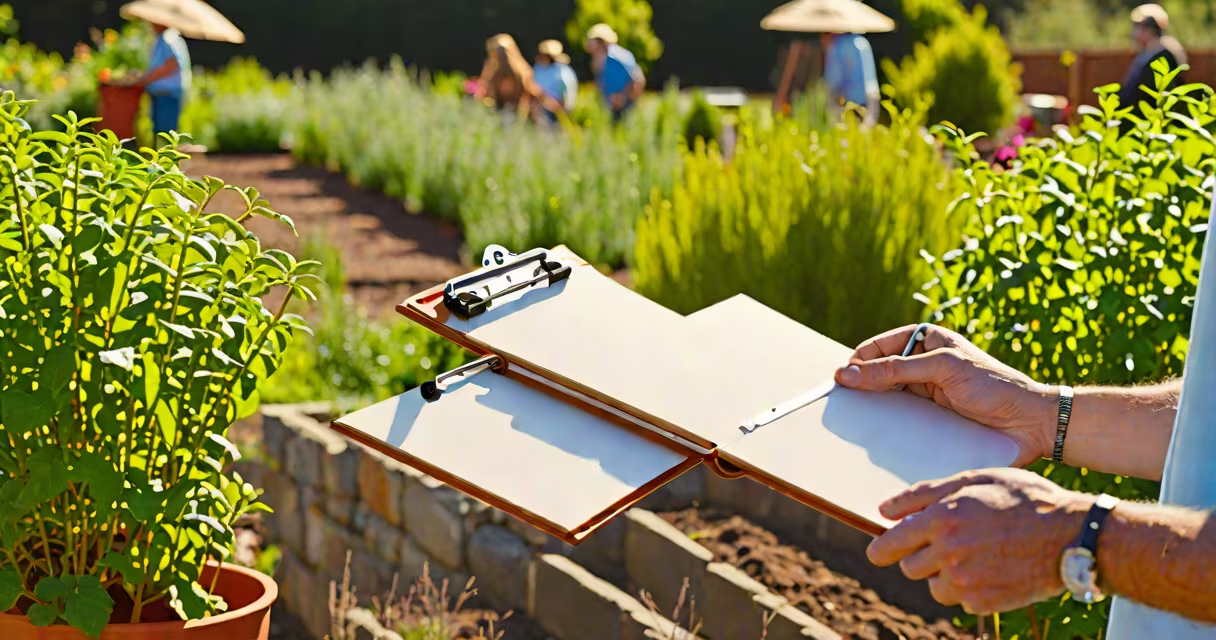
I volunteered with a neighborhood garden group in Portland, Oregon, where we managed a 12-bed urban plot. The city provided soil and water access, but we were responsible for everything else. We had $1,200 in seed and tool grants.
At first, members wanted to buy expensive raised beds. I proposed using recycled materials and building modular frames instead. Over two years, we saved $400 and reduced waste. We also rotated crops each season, preventing nutrient loss. By year three, yields increased by 37% compared to the first year.
This wasn't luck. It was stewardship: tracking inputs, adapting plans, and prioritizing long-term success over flashy upgrades. The garden now supports six local families and hosts monthly workshops. The original $1,200 grew into a self-sustaining community asset.
Being a good steward means acting with responsibility, foresight, and integrity toward resources that aren't yours to claim. It's not about power-it's about care. Whether managing a team, a budget, or a patch of land, good stewardship helps what's entrusted to you remains viable and meaningful for others.
Understanding this concept strengthens decision-making in everyday life. It's not a rare skill reserved for executives or saints. It's a practical standard anyone can meet with attention and consistency.