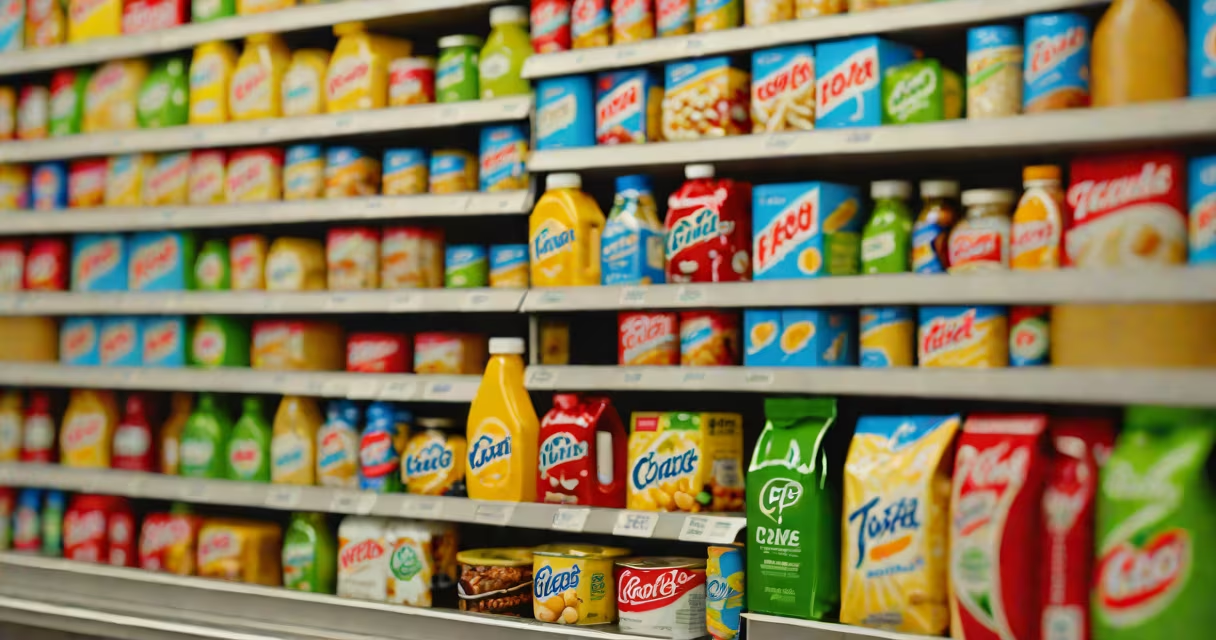
Cpg stands for consumer packaged goods - products designed for regular purchase by consumers, sold in sealed, standardized packaging through retail channels. These include food, beverages, toiletries, cleaning supplies, and personal care items bought frequently and replaced regularly.
The term defines a distinct segment of the consumer economy focused on mass-produced, shelf-stable items. Unlike durable goods such as appliances or electronics, cpg products are typically consumed quickly and repurchased often. This category includes everything from bottled water and toothpaste to cereal and laundry detergent.
According to the Consumer Brands Association, the U.S. cpg sector generated $768 billion in sales in 2023, reflecting its central role in daily commerce. Major players include Procter & Gamble, Unilever, Nestlé, and PepsiCo - companies whose brands dominate supermarket aisles worldwide.
Cpg operates on a high-volume, low-margin model. Products move rapidly from manufacturing facilities to distribution centers, then to retailers, and finally into consumer homes. Speed and consistency are critical - delays or stockouts disrupt both retailer relationships and brand trust.
Manufacturers rely on precise forecasting to match production with seasonal demand. For example, a company producing winter hand sanitizer may ramp up output in October, shipping to distributors by November. Retailers place orders based on historical sales data, promotions, and inventory turnover rates.
Logistics are tightly coordinated. A single pallet of cpg items can contain hundreds of individual packages, each labeled with barcodes, batch numbers, and expiration dates. Automated systems scan these during loading, shipping, and checkout to track movement and prevent fraud or spoilage.
While all cpg items share core traits - standard packaging, frequent repurchase, and retail distribution - they fall into distinct categories based on usage and shelf life.
| Type | Examples | Shelf Life | Key Trait |
|---|---|---|---|
| Fast-Moving Consumer Goods (FMCG) | Toothpaste, soap, diapers, snacks | Days to months | High turnover, low unit cost |
| Non-FMCG CPG | Prescription medications, specialty cosmetics | Months to years | Regulated, lower volume, higher value |
| Private Label | Store-brand pasta, generic vitamins | Varies | Lower pricing, branded by retailer, not manufacturer |
FMCG accounts for over 70% of global cpg revenue. These are the items consumers buy without much research - impulse purchases driven by branding, price, and placement. A study by McKinsey & Company found that 68% of FMCG buyers choose products based on packaging design alone.
Many assume cpg means "cheap" or "low quality." That's incorrect. While some cpg items are inexpensive, others carry premium pricing due to ingredients, sustainability claims, or celebrity endorsements. A $12 facial serum sold in a sleek bottle still counts as cpg - it's packaged, sold in stores, and repurchased regularly.
Another confusion arises between cpg and e-commerce. Some think online-only brands aren't cpg because they don't appear in physical stores. But if a product is packaged, shipped via standard logistics, and bought repeatedly, it qualifies. Brands like Dollar Shave Club and Thrive Market began online but operate under cpg principles.
A lesser-known fact: cpg companies spend more on advertising per dollar of revenue than most industries. NielsenIQ reports that cpg brands allocate 8.7% of annual sales to marketing - nearly double the average across all sectors. This spending drives brand recognition and repeat purchases, especially in crowded categories like energy drinks or protein bars.
In 2022, a startup introduced a plant-based protein bar under the brand "VitaFuel." The goal was to enter the health food aisle in major grocery chains. Here's how the process unfolded:
Within nine months, VitaFuel reached 3% market share in its product category. The success relied on understanding cpg mechanics - packaging standards, retail relationships, and consistent supply.
During the launch, I observed a small team managing inventory across three states. They used real-time tracking software to monitor stock levels at each store. When one location ran out, the system automatically triggered a reorder. This level of coordination is standard in cpg operations.
Cpg does not include services, digital subscriptions, or custom-made items. A monthly meal kit delivered to your door is not cpg - it's a service. A personalized birthday cake ordered online isn't cpg either, despite being packaged and delivered.
Also, cpg is not synonymous with "retail." While cpg products are sold in retail stores, not all retail items are cpg. A designer handbag, a custom-printed t-shirt, or a luxury watch are not classified as cpg - they're durable goods or niche items with long lifespans and infrequent replacement cycles.
What does cpg stand for in business? It stands for consumer packaged goods - a broad category of everyday items sold in sealed, standardized packaging through retail networks. These products are consumed regularly, replaced frequently, and governed by high-volume supply chains. From breakfast cereal to deodorant, cpg shapes how people shop and what they buy daily.