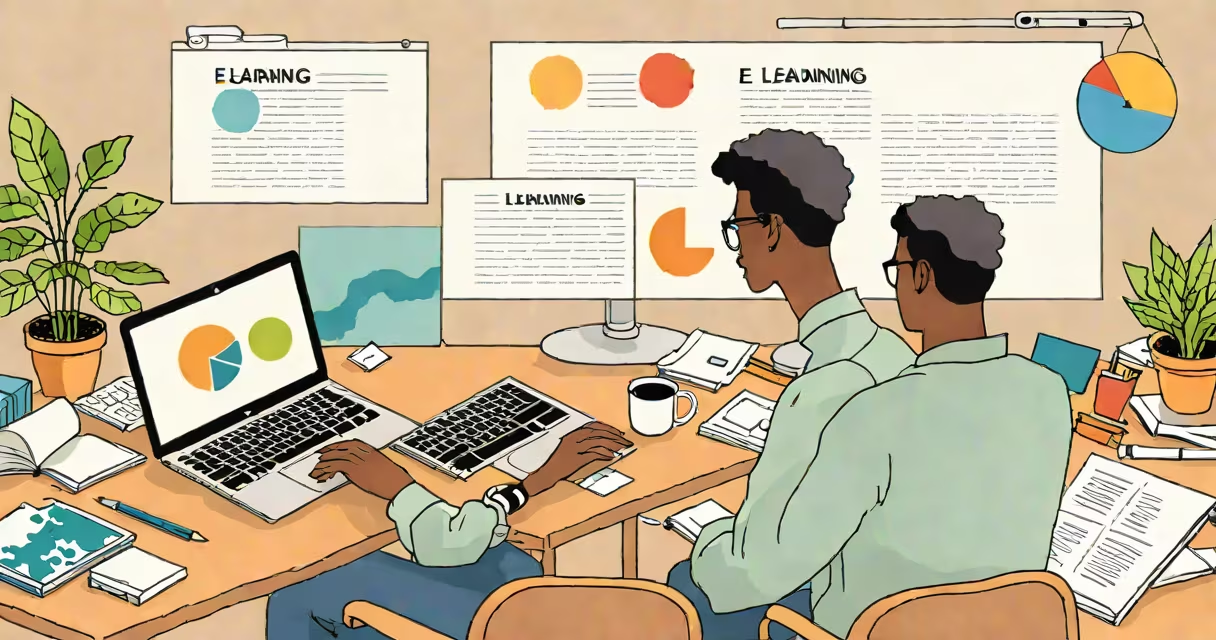
E learning means using electronic technologies-primarily the internet-to access structured educational content. It replaces traditional classroom settings with digital alternatives, enabling remote instruction, self-paced study, and real-time interaction through web-based platforms.
At its core, e learning delivers curriculum via computers, tablets, or smartphones. This includes recorded lectures, interactive modules, discussion forums, and automated assessments. Unlike print-based materials, e learning content updates instantly and tracks learner progress in real time.
According to the U.S. Department of Education, students in well-designed e learning environments perform better than those in face-to-face settings alone. A 2021 meta-analysis found that blended learning models-combining online and in-person elements-outperformed purely offline instruction by 15% on average.
E learning systems rely on learning management systems (LMS) such as Canvas, Moodle, or Google Classroom. These platforms host course materials, manage assignments, and record grades. Instructors upload videos, slides, readings, and interactive exercises. Learners access them on demand, often with deadlines and feedback loops built in.
Real-time components include live webinars, chat rooms, and virtual breakout sessions. Tools like Zoom or Microsoft Teams integrate with LMS platforms to support synchronous learning. For example, a university course may stream lectures weekly while requiring students to submit written responses to prompts within 24 hours.
A 2023 report from the National Center for Education Statistics shows that 76% of U.S. higher education institutions offered at least one fully online degree program. This reflects institutional adoption driven by scalability, cost efficiency, and accessibility for non-traditional learners.
E learning varies by structure, pacing, and interactivity. The most common formats include:
| Type | Structure | Best For | Example |
|---|---|---|---|
| Self-Paced | Pre-recorded content with flexible timelines | Working professionals, independent learners | Coursera's "Python for Everybody" course |
| Synchronous | Live sessions with scheduled start times | Students needing routine, group accountability | University classes held via Zoom during pandemic lockdowns |
| Blended | Combines online modules with in-person meetings | High school AP courses, vocational training | High school biology class with weekly labs and online quizzes |
| Microlearning | Short, focused lessons under 10 minutes | Onboarding, skill refreshers, mobile users | LinkedIn Learning's 5-minute tutorials on Excel shortcuts |
Each model serves different goals. Self-paced learning suits people managing multiple responsibilities. Synchronous formats build community and maintain engagement. Blended approaches balance flexibility with hands-on practice. Microlearning targets specific skills without cognitive overload.
E learning is not synonymous with "online courses." While both use digital delivery, e learning encompasses everything from corporate training programs to K-12 curricula. A company's safety certification module delivered via tablet counts as e learning-even if it's not labeled a "course."
Another myth is that e learning lacks rigor. Research from Stanford University confirms that students in properly designed e learning environments achieve equivalent or higher mastery rates compared to traditional classrooms. The difference lies in design quality, not medium.
Many assume e learning requires constant screen time. In reality, effective programs incorporate varied media: audio podcasts, downloadable PDFs, physical kits for science experiments, and even offline activities. For instance, a middle school science unit on ecosystems might include a video lecture, a printable worksheet, and a field observation assignment completed in nature.
Consider a student named Maria who wants to earn a certificate in digital marketing. She enrolls in a six-week program hosted on a platform like edX. Her schedule unfolds as follows:
Maria finishes the course with a verified certificate. All materials were accessible 24/7. She completed the work at her own pace, yet stayed on track through automated reminders and due dates.
This example illustrates how e learning supports autonomy, accountability, and measurable outcomes-all without requiring physical presence.
E learning differs from passive video watching. True e learning includes assessment, feedback, and progression tracking. Simply streaming a TED Talk doesn't qualify. Neither does posting a PDF on a website without interaction.
It's also distinct from informal learning. Watching YouTube tutorials on coding isn't e learning unless it's part of a structured sequence with objectives, milestones, and evaluation. The key distinction lies in intent and design.
Finally, I.E. stands for "industrial engineer" or "instructor's edition," depending on context. It has no relation to e learning despite similar abbreviations. Confusing the two leads to errors in documentation and communication.
I once taught a high school history course entirely through e learning during a winter storm that closed schools for three weeks. Students accessed daily lessons via a custom LMS. They submitted essays through a digital dropbox, received rubric-based feedback, and participated in threaded discussions. Attendance remained above 90%. One student later told me, "I actually read more than I did in class." That moment confirmed e learning's power-not as a backup, but as a viable alternative.
When done well, e learning meets learners where they are. It scales without sacrificing quality. It adapts to diverse needs. And it continues to grow-now more than ever, as global demand for flexible education rises.
Understanding what e learning means begins with recognizing its foundation: digital access to structured learning. Whether through a smartphone app or a university portal, e learning reshapes how people gain knowledge across ages, fields, and geographies.