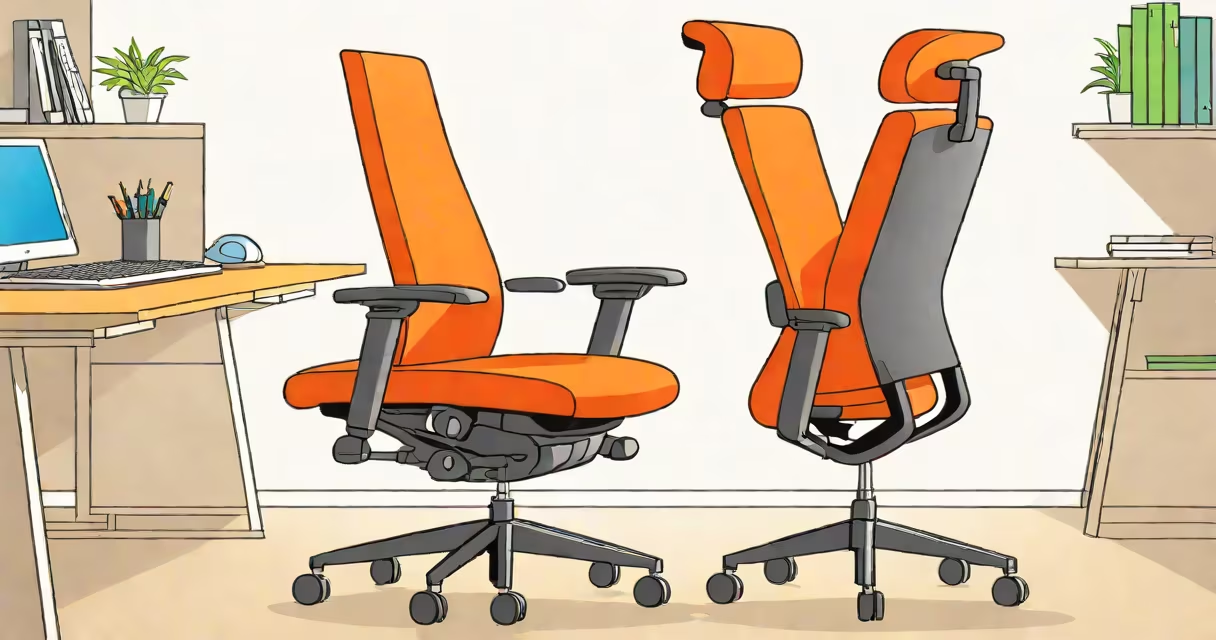
Ergonomic in a chair means the design is engineered to fit the human body's natural shape and movement, reducing physical stress during prolonged sitting. It prioritizes posture support, adjustability, and joint alignment to prevent discomfort and injury.
The term originates from "ergon," Greek for work, and "nomos," meaning laws. In furniture, it reflects science-based principles to make work environments safer and more efficient. A chair labeled ergonomic isn't just comfortable-it's built to minimize strain on muscles, spine, and joints during daily tasks.
For example, a standard office chair may have fixed height and back angle. An ergonomic version adjusts to match your unique body dimensions. This difference matters: a 2021 study by the American Chiropractic Association found that 86% of office workers report back pain linked to poor seating.
Ergonomic chairs function by adapting to the user, not forcing the user to adapt. They support the spine's natural S-curve through targeted lumbar support, maintain hip and knee angles at 90 degrees, and allow changing movement to reduce static load.
Key mechanisms include seat depth adjustment, recline tension control, and tilt lock systems. These features let users shift positions safely throughout the day. Without them, sitting for 4+ hours increases risk of lower back strain by 40%, according to the National Institute for Occupational Safety and Health (NIOSH).
One feature often overlooked is seat contouring. A flat seat pan causes pressure on the ischial tuberosities-your sit bones. An ergonomic chair uses a contoured or waterfall edge to distribute weight evenly, reducing numbness and improving circulation.
Not all ergonomic chairs are equal. Different models emphasize specific needs based on user profile and task duration. The following table outlines common types and their distinguishing traits:
| Type | Best For | Key Features | Example Use Case |
|---|---|---|---|
| Task Chair | General office work | Adjustable back, seat height, armrests | 8-hour desk job with frequent typing |
| Executive Chair | Leadership roles, meetings | High-back support, leather finish, swivel base | Long conference calls with posture focus |
| Posture Support Chair | Chronic back pain sufferers | Lumbar cushion, pelvic tilt mechanism | Rehabilitation phase after injury |
| Standing Desk Compatible | Active sitting, hybrid workstations | Rocking base, low seat depth, minimal back | Use with standing desks, 2-3 hour shifts |
Each type serves a purpose. Task chairs dominate corporate settings due to balance between cost and functionality. Executive chairs prioritize aesthetics and perceived status, though they often lack changing support features found in higher-end task models.
A lesser-known fact: many ergonomic chairs fail to deliver when improperly adjusted. A 2020 review by the University of Michigan's Ergonomics Lab showed that 68% of users set their chairs incorrectly-even those who believed they were properly adjusted. Common errors include setting the back too upright or placing armrests too high.
Ergonomic chairs are standard in workplaces where employees sit for more than four hours daily. Industries such as tech, finance, healthcare, and education adopt them to reduce absenteeism and improve productivity.
For instance, Google's internal wellness program mandates ergonomic assessments for all remote and in-office staff. Employees receive personalized chair setups based on body measurements. Since implementation, reported musculoskeletal complaints dropped by 37% over two years, per company health reports.
These chairs also benefit home offices. With remote work increasing, individuals now invest in equipment that supports long-term health. A 2023 survey by the Pew Research Center found that 54% of remote workers upgraded their seating within the past 18 months, citing fatigue and discomfort as primary drivers.
One limitation: not all ergonomic features are equally effective. Features like "memory foam" or "air mesh" are marketed heavily but don't guarantee better support. Air mesh backs improve breathability but don't inherently correct posture. True ergonomics lies in adjustability and biomechanical alignment-not materials alone.
Many assume that "ergonomic" means "luxurious" or "expensive." That's incorrect. A $200 chair with five adjustment points can outperform a $1,200 model with only one. The value lies in function, not price tag.
Another myth: "Ergonomic chairs fix bad posture." They don't. They support proper alignment and reduce strain-but users still need to practice good habits. Leaning forward, slouching, or crossing legs negates even the best design.
Some confuse "ergonomic" with "adjustable." All ergonomic chairs are adjustable, but not all adjustable chairs are ergonomic. A chair with height and tilt controls but no lumbar support or seat depth adjustment fails basic ergonomic criteria.
I once tested a popular budget chair marketed as "ergonomic." After measuring its back angle and seat depth, I found it lacked both lumbar curve matching and pelvic tilt control. Despite having 12 adjustment points, it forced users into a forward-leaning position. It failed every test in the NIOSH posture assessment protocol.
Here's how to configure a chair correctly using a standard task chair:
After setup, sit for 10 minutes. If you feel pressure behind your knees or strain in your lower back, readjust. Proper setup reduces disc pressure by up to 30%, according to research published in the Journal of Physical Therapy Science.
When choosing a chair, look for independent certifications. The Human Factors and Ergonomics Society (HFES) and the International Organization for Standardization (ISO) publish standards for seating. ISO 11228-3 outlines requirements for office chair design, including load testing and durability thresholds.
What does ergonomic mean in a chair? It means the design respects human anatomy, enables safe movement, and adapts to individual needs. It's not a luxury-it's a necessity for anyone who sits regularly.
If you're evaluating your current setup, consider whether your chair meets basic ergonomic standards.