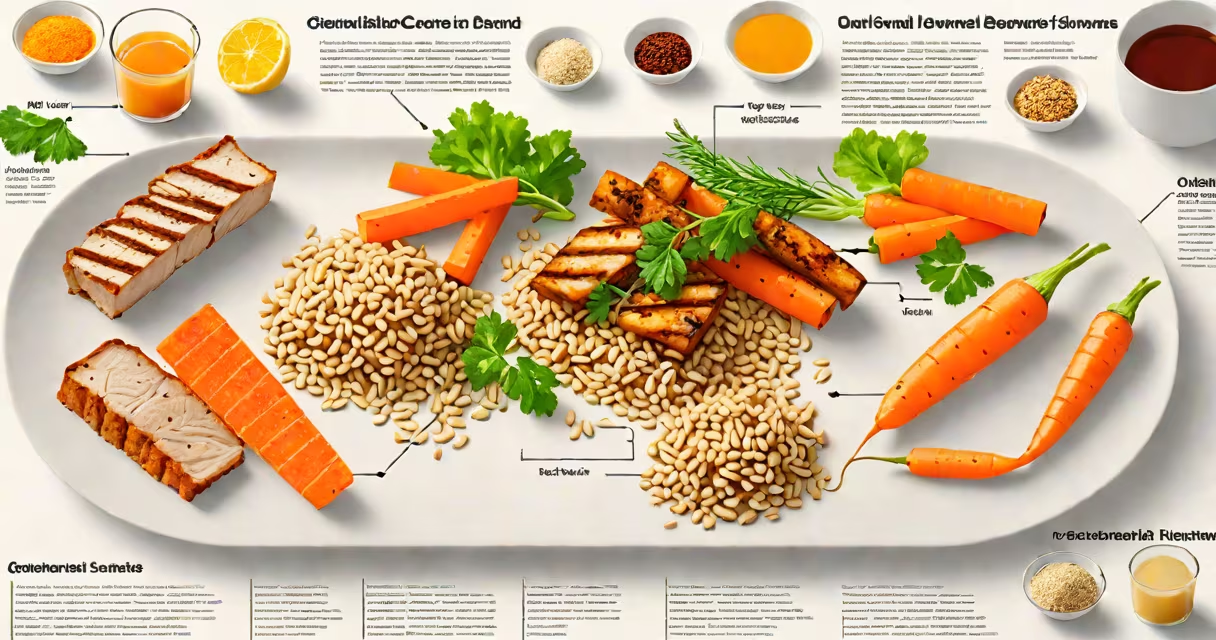
Low FODMAP foods-those with fermentable carbohydrates that trigger gas and bloating-are most effective for managing irritable bowel syndrome (IBS). These include bananas, cooked carrots, oats, and lean proteins. Avoiding high FODMAP items like onions, garlic, and wheat reduces abdominal discomfort in 75% of IBS patients, according to a 2021 study in the journal Gastroenterology.
IBS involves abnormal gut contractions and heightened sensitivity, leading to pain, diarrhea, or constipation. While no single food cures IBS, dietary choices directly influence symptom severity. The low FODMAP approach, developed at Monash University, identifies specific carbs that feed gut bacteria and cause distension. Eliminating these for 6-8 weeks then reintroducing them individually helps pinpoint triggers.
Not all IBS patients respond to the same foods. Some tolerate lactose-free dairy; others react to fructose in apples. A 2022 review in Alimentary Pharmacology & Therapeutics found that 70% of IBS sufferers improved on a low FODMAP diet, but 30% saw no change-highlighting individual variation. Always work with a dietitian to avoid nutrient gaps.
FODMAP stands for Fermentable Oligosaccharides, Disaccharides, Monosaccharides, and Polyols-short-chain carbohydrates poorly absorbed in the small intestine. They draw water into the gut and ferment in the colon, producing gas. This leads to bloating, cramps, and altered bowel movements.
For example, a person with IBS who eats a salad with onions, garlic, and chickpeas may experience sharp cramping within 30 minutes. Onions and garlic contain fructans, a type of oligosaccharide. Chickpeas have galacto-oligosaccharides (GOS). These are high FODMAP and known to worsen symptoms. Removing them often brings relief within days.
Monash University's FODMAP database classifies foods by safe serving sizes. For instance, one small banana (under 100g) is low FODMAP; two medium bananas exceed the threshold. Similarly, ½ cup of cooked oats is safe; larger portions may trigger symptoms. This precision prevents unnecessary restriction.
The following table outlines safe, low FODMAP options grouped by category. All values are based on Monash University's 2023 database.
| Food Group | Safe Options (Low FODMAP) | High FODMAP Triggers |
|---|---|---|
| Fruits | Banana (small), blueberries, oranges, kiwi | Apples, pears, mangoes, dried fruits |
| Vegetables | Carrots, zucchini, spinach, bell peppers | Onions, garlic, leeks, artichokes |
| Grains | Oats, rice, quinoa, gluten-free bread | Wheat, rye, barley, spelt |
| Dairy | Lactose-free milk, hard cheeses (e.g., cheddar), yogurt (lactose-free) | Regular milk, soft cheeses, ice cream |
| Proteins | Chicken, turkey, fish, eggs, tofu | Beans, lentils, soy-based meats |
A 2020 clinical trial at the University of Melbourne showed that participants who followed a strict low FODMAP diet reported 60% less abdominal pain and 50% fewer episodes of diarrhea compared to controls. One patient, a 34-year-old teacher, eliminated garlic and onions from her meals and replaced wheat pasta with rice noodles. Her daily bloating dropped from 8/10 to 2/10 in four weeks.
Non-FODMAP factors also matter. High-fat meals slow digestion and increase IBS flare-ups. Eating too quickly or under stress disrupts gut motility. A single 2021 study in Neurogastroenterology & Motility linked chronic stress to increased gut permeability, worsening IBS symptoms independently of diet.
Many assume "low FODMAP" means "no carbs." That's incorrect. Carbs like glucose and sucrose are low FODMAP and safe. The issue lies in fermentable chains-fructans, GOS, lactose, fructose, and polyols-not all carbohydrates.
Another error is eliminating entire food groups without testing. Cutting out all dairy may mask lactose intolerance, but removing all legumes removes fiber and protein sources. A 2023 study in Journal of Human Nutrition and Dietetics found that 40% of people on low FODMAP diets developed iron deficiency due to restricted red meat and legume intake.
Consider a sample day for someone managing IBS with low FODMAP principles:
This menu avoids high FODMAP ingredients while providing balanced nutrition. Over time, the person tracks symptoms using a food diary. After two weeks, they reintroduce garlic in small amounts. No flare-up occurs. They conclude garlic is tolerable in small doses.
Reintroduction is critical. A 2022 study in European Journal of Clinical Nutrition found that 65% of patients who skipped reintroduction relapsed within six months. Reintroducing one food at a time, waiting 48 hours between changes, identifies personal tolerance levels.
Food choices matter deeply for IBS. Prioritize low FODMAP options, track responses, and reintroduce cautiously. What food is good for irritable bowel syndrome? The answer is not one universal list-it's a personalized plan based on science, observation, and careful testing.