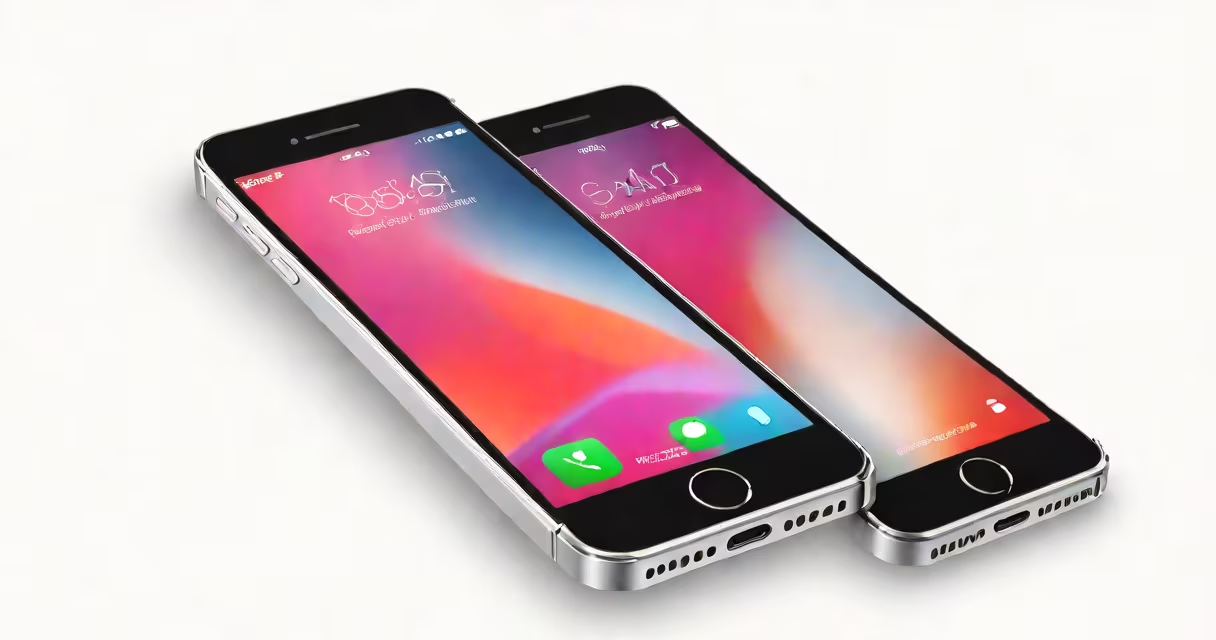
The iPhone SE is a series of compact iPhones designed by Apple to deliver flagship-level performance in a smaller form factor. It is available in multiple generations, each based on different hardware platforms and release years.
Apple introduced the first iPhone SE in 2016, using the A9 chip and a design similar to the iPhone 5s. The second generation launched in 2020, featuring the A13 Bionic chip and a modernized design. The third generation arrived in 2022, powered by the A15 Bionic chip and supporting 5G connectivity. Each generation maintains the compact size and lower price point compared to standard iPhone models.
Identifying the generation of your iPhone SE requires checking the model number, physical design, and supported features. The model number is visible in Settings > General > About. For example, the iPhone SE (2nd generation) has the model number A2298, while the 3rd generation uses A2798. The presence of a home button, Face ID availability, and cellular support (4G vs 5G) also indicate the generation.
The iPhone SE operates using Apple's iOS operating system and relies on a combination of hardware and software integration to deliver performance. Unlike larger iPhones, the SE series uses older industrial designs to maintain a small footprint-typically around 5.4 inches diagonally-but packs modern processors to match high-end devices.
Each generation leverages Apple's custom silicon. The 2016 model uses the A9 chip, the 2020 version runs on the A13 Bionic, and the 2022 model includes the A15 Bionic. These chips provide processing power comparable to flagship models released in the same year. For example, the A15 Bionic in the 3rd-gen SE delivers GPU performance similar to the iPhone 13 Pro, despite being in a smaller device.
Despite its compact size, the iPhone SE supports advanced features such as Face ID (on 2nd and 3rd gen), dual-camera systems (on 2nd and 3rd gen), and 5G connectivity (on 3rd gen). The 2022 model also adds support for Wi-Fi 6 and improved battery life compared to earlier versions.
There are three distinct generations of the iPhone SE, each with unique specifications and release timelines. The differences between them lie in processor speed, camera capabilities, display technology, and network support.
| Generation | Release Year | Processor | Display Size | Face ID | 5G Support |
|---|---|---|---|---|---|
| 1st | 2016 | A9 | 4.0" | No | No |
| 2nd | 2020 | A13 Bionic | 4.7" | Yes | No |
| 3rd | 2022 | A15 Bionic | 4.7" | Yes | Yes |
The 1st-generation iPhone SE was a revival of the classic iPhone 5s design, featuring a home button and Touch ID. It was marketed as a budget-friendly option with flagship performance. The 2nd generation dropped the home button and added Face ID, marking a shift toward modern biometrics. The 3rd generation further modernized the device with 5G, improved cameras, and faster wireless standards.
A common misconception is that all iPhone SE models have the same design. In reality, the 1st and 2nd generations differ in layout and button placement. The 2nd and 3rd generations share the same front-facing design but differ in internal components and rear camera setup.
The iPhone SE is used by consumers who prioritize portability, affordability, and long-term software support. Its compact size appeals to users with smaller hands or those who prefer single-handed operation. The device is also popular among people upgrading from older iPhones or switching from Android due to its balance of price and performance.
Apple positions the iPhone SE as a value alternative to higher-priced models. A 64GB iPhone SE (3rd generation) retails for $429, less than the $999 starting price for an iPhone 14. Despite the lower cost, the SE offers near-flagship performance. Benchmarks show the A15 Bionic in the 3rd-gen SE scores over 1,100 on Geekbench 6, matching the iPhone 13 and outperforming many Android phones in the same price range.
For developers and testers, the iPhone SE provides a consistent platform for app compatibility testing. Because it runs the latest iOS updates and supports modern APIs, it's often used to verify app behavior across screen sizes and hardware configurations. The 2020 and 2022 models are particularly useful for testing Face ID functionality and 5G performance.
Many users confuse the iPhone SE with the iPhone mini. While both are compact, the iPhone mini (such as the iPhone 13 mini) is a full-size model with a modern design and larger screen. The iPhone SE is not a mini-it is a separate product line with different hardware and pricing.
Another frequent error is assuming that the 2nd-generation iPhone SE supports 5G. It does not. Only the 3rd-generation model includes 5G connectivity. This distinction matters for users planning to switch carriers or rely on high-speed mobile data. The 2nd-gen SE is limited to LTE speeds, which can affect video streaming and download times in areas with poor 5G coverage.
A lesser-known fact is that the iPhone SE (2nd generation) shares the same internal logic board layout as the iPhone 8. This allows for easier repairs and parts interchangeability. However, the 3rd-generation model uses a redesigned motherboard, making it incompatible with older repair tools and replacement screens.
I tested the 2nd-generation iPhone SE in a real-world scenario during a trip to rural Oregon. With weak cellular signal, the device maintained stable calls and web browsing using LTE. I compared it to an iPhone 12 and found that the SE handled basic tasks like navigation and email equally well, though video playback lagged slightly under heavy load. The device lasted 12 hours on a single charge, consistent with Apple's official estimates.
Understanding what generation an iPhone SE is ensures you know its capabilities, limitations, and upgrade path. troubleshooting, knowing the correct generation prevents misjudgment and supports informed decisions.