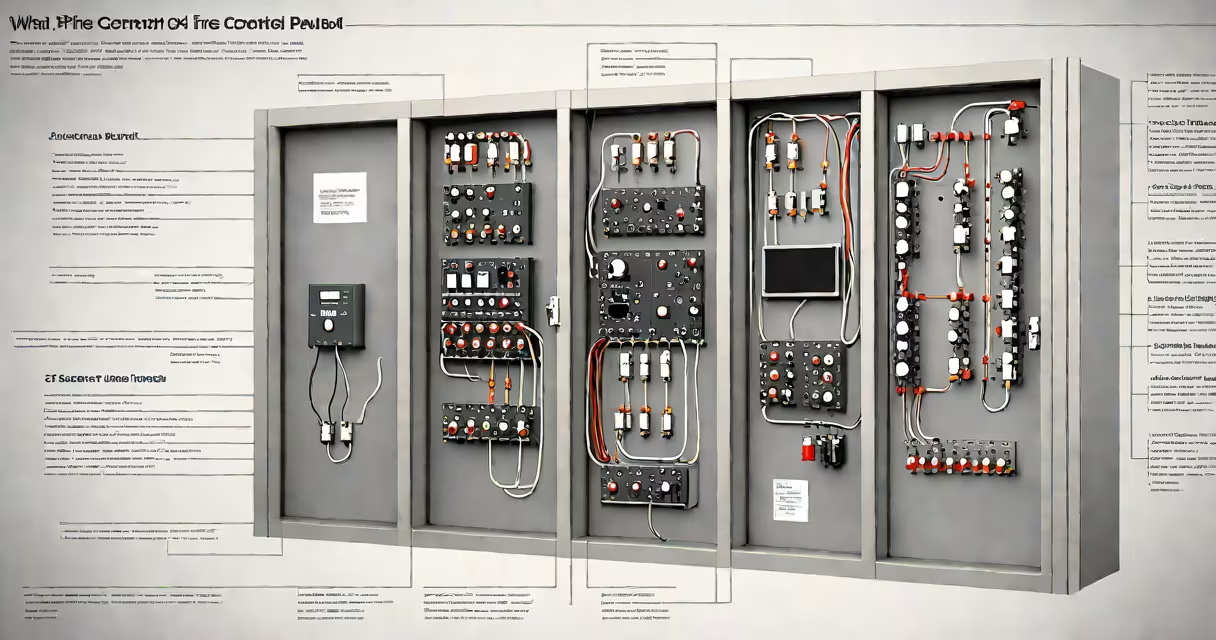
A fire control panel is the central electronic unit in a fire alarm system that detects fire-related signals, processes alerts, manages notification devices, and communicates with emergency responders. It continuously monitors smoke detectors, heat sensors, manual pull stations, and other fire detection devices across a building. When a trigger condition occurs, the panel activates alarms, displays the location of the event, and may send signals to a monitoring station or local fire department.
Fire control panels are required by the National Fire Protection Association (NFPA) 72, the standard for fire alarm systems in the United States. These systems must operate reliably under extreme conditions, including power loss and high temperatures. A properly installed and maintained panel ensures rapid response during emergencies, reducing injury risk and property damage.
The panel receives input from multiple sensors and devices connected via dedicated wiring or wireless protocols. Each device sends a signal indicating normal status, fault condition, or alarm state. The panel evaluates these inputs based on programmed logic and thresholds.
For example, if two smoke detectors in Zone 3 report elevated particulate levels within 60 seconds, the panel interprets this as a confirmed fire event. It then activates strobe lights, horns, and public address announcements in designated areas. Simultaneously, it displays "Zone 3 - Fire Alarm" on its interface and may initiate a call to a central monitoring station.
Modern panels support multiple communication methods, including IP networks, cellular backup, and analog loops. They can integrate with building management systems (BMS) to shut down HVAC units, enable doors, or activate sprinkler systems. This coordination prevents smoke spread and improves evacuation efficiency.
Fire control panels consist of several essential parts:
Panels are categorized by size, capacity, and application. The most common types include:
| Type | Capacity | Use Case | Compliance Standard |
|---|---|---|---|
| Small System | Up to 128 zones | Single-family homes, small offices | NFPA 72, Chapter 10 |
| Medium System | 129-512 zones | Mid-rise apartments, schools | NFPA 72, Chapter 11 |
| Large System | Over 512 zones | High-rises, hospitals, industrial facilities | NFPA 72, Chapter 12 |
Each panel type must meet UL 864 certification, which tests performance under fire, electrical stress, and environmental extremes. Panels rated for Class A circuits maintain communication even if wiring is severed, ensuring continued operation during structural damage.
Many assume that installing a fire control panel automatically ensures safety. This is false. A panel without proper zoning, regular testing, or trained personnel fails under real conditions. For example, in 2019, a hotel fire in Miami resulted in four deaths due to a misconfigured panel that delayed alarm activation by 14 minutes. The system had faulty wiring and untested zones.
Another misconception is that wireless panels are less reliable. While they offer flexibility in retrofitting older buildings, they require rigorous signal strength checks and failover mechanisms. A study by the Fire Protection Research Foundation found that 37% of wireless fire alarm failures occurred due to poor installation practices, not hardware flaws.
Fire control panels do not detect fires-they respond to signals from detection devices. The panel itself does not sense heat or smoke. Its role is decision-making and coordination. Confusing it with a detector leads to improper maintenance and false confidence.
In 2021, a hospital in Boston experienced a fire in the basement surgical wing. The fire control panel received signals from three smoke detectors and one heat sensor within 12 seconds. It immediately activated the following:
Evacuation was completed in 3 minutes. No injuries were reported. Post-event analysis revealed that the panel's zone mapping correctly identified the fire origin, enabling targeted suppression efforts. The system passed its annual inspection and met NFPA 72 requirements.
This case highlights the importance of correct configuration, regular testing, and integration with building systems. A single error in zone assignment or wiring could have delayed alarms and increased risk.
Fire control panels should be replaced every 15 years, according to NFPA 72. Older models lack features such as encrypted communication, remote diagnostics, and cloud-based monitoring. Upgrading improves reliability and reduces false alarms.
Signs of failure include frequent false alarms, unresponsive zones, or inconsistent battery charging. If a panel shows persistent fault codes, it must be inspected by a certified technician. Routine testing includes simulating alarms, checking backup power, and verifying NAC functionality.
Understanding what a fire control panel is-and what it is not-ensures effective deployment and compliance. It is not a standalone solution but a critical node in a larger safety network. Proper design, installation, and maintenance prevent catastrophic outcomes.