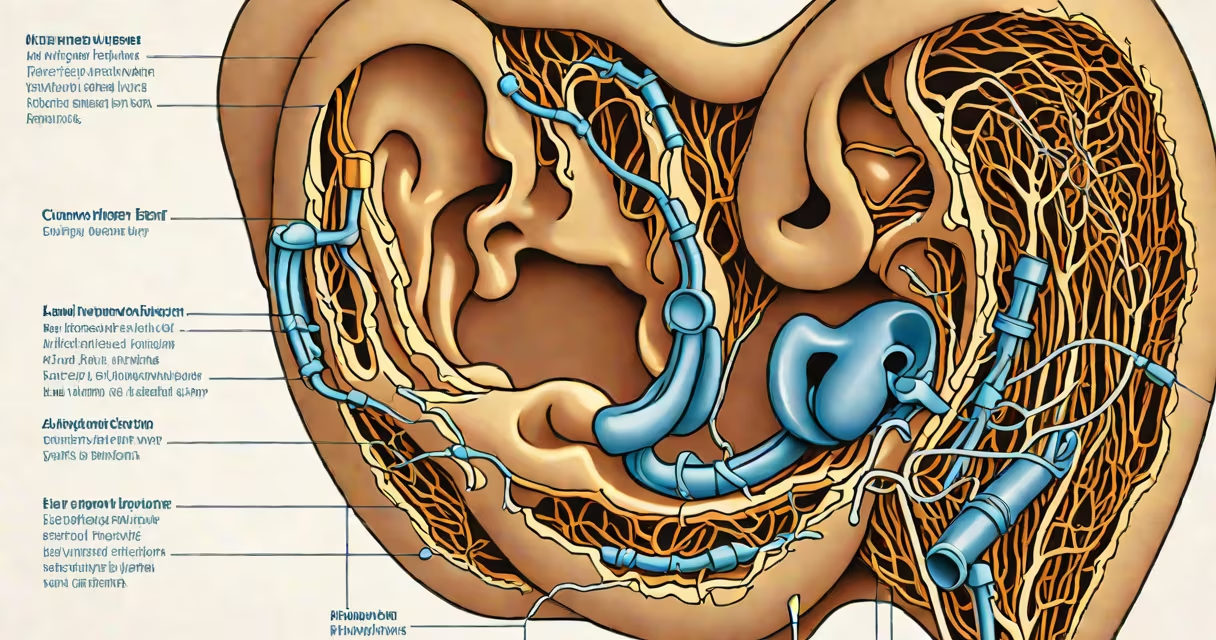
An inner ear infection is inflammation of the inner ear structures, often caused by viral or bacterial infections affecting the vestibular system and cochlea. It disrupts balance and hearing, leading to dizziness, vertigo, and sometimes hearing loss. These infections are not typically contagious but can result from upper respiratory infections spreading to the inner ear.
The inner ear contains the semicircular canals, utricle, saccule, and cochlea-structures responsible for detecting motion and sound. When inflamed, they send conflicting signals to the brain, causing disorientation. Most cases stem from viral infections, though bacterial forms exist and require antibiotics.
According to the American Academy of Otolaryngology-Head and Neck Surgery (AAO-HNS), approximately 1 in 10,000 people develop vestibular neuritis annually, a common form of inner ear infection. The condition often follows a cold or flu, suggesting viral origin. Persistent symptoms beyond two weeks may indicate a need for medical evaluation.
Inner ear infections disrupt the vestibulo-ocular reflex and spatial orientation. The semicircular canals detect head rotation; the otolith organs sense linear acceleration. When inflamed, their fluid-filled chambers send erratic signals to the brain, creating a mismatch between visual input and perceived motion.
This sensory conflict triggers vertigo-the sensation of spinning or movement when stationary. The brain struggles to reconcile conflicting inputs, resulting in nausea, vomiting, and difficulty walking. Some patients report a feeling of fullness in the ear or a ringing sound (tinnitus).
A 2021 study published in *The Laryngoscope* found that 68% of patients with acute vestibular neuritis experienced severe vertigo lasting more than 24 hours. Recovery time varied, with 70% reporting significant improvement within three weeks, though some had lingering imbalance for months.
Inner ear infections fall into two primary categories: vestibular neuritis and labyrinthitis. Vestibular neuritis involves inflammation of the vestibular nerve only, sparing hearing. Labyrinthitis affects both the vestibular nerve and cochlear structures, leading to hearing changes.
| Type | Primary Affected Area | Hearing Loss Common? | Typical Cause |
|---|---|---|---|
| Vestibular neuritis | Vestibular nerve | No | Viruses (e.g., herpes zoster, Epstein-Barr) |
| Labyrinthitis | Inner ear fluids and nerves | Yes | Viral or bacterial infection |
Bacterial inner ear infections are rare but serious. They may arise from untreated middle ear infections or spread via bloodstream. Symptoms progress rapidly and include high fever, intense pain, and sudden hearing loss. Immediate antibiotic treatment is essential.
Non-infectious causes include autoimmune disorders, Meniere's disease, and trauma. A 2020 review in *Frontiers in Neurology* noted that autoimmune inner ear disease accounts for less than 1% of cases but presents with bilateral hearing loss and fluctuating symptoms.
Many confuse inner ear infections with middle ear infections (otitis media). Middle ear infections involve the space behind the eardrum and are often associated with ear pain, fever, and fluid buildup. They're more common in children and frequently resolve with antibiotics.
Inner ear infections rarely cause ear pain. Instead, they trigger dizziness, imbalance, and nausea. If pain is present, it suggests involvement of the outer or middle ear. Distinguishing between them is important because treatment differs.
Another frequent error is assuming all vertigo stems from inner ear issues. While inner ear problems are a leading cause, central vertigo-caused by brainstem or cerebellar conditions-can mimic inner ear symptoms. A 2019 study in *Neurology* found that 12% of patients initially diagnosed with vestibular neuritis actually had small strokes.
One underappreciated fact: recovery from vestibular neuritis often includes spontaneous remission. The nervous system adapts through compensation, allowing most patients to regain balance without medication. This process, called vestibular adaptation, occurs over days to weeks.
In 2022, a 45-year-old woman presented with sudden onset of vertigo, nausea, and inability to stand without swaying. She reported a recent upper respiratory infection. Physical exam showed horizontal nystagmus (involuntary eye movements) when looking left and right. She had normal hearing and no ear pain.
Based on clinical presentation and absence of pain or hearing loss, doctors diagnosed vestibular neuritis. MRI ruled out stroke or tumor. She was prescribed meclizine for symptom relief and began vestibular rehabilitation therapy (VRT) within 48 hours.
After four weeks of daily VRT exercises, she regained stability and returned to work. Her case illustrates that early diagnosis and targeted therapy improve outcomes. Delaying care increases risk of chronic imbalance.
Diagnosis begins with a physical exam assessing eye movements, gait, and coordination. The head impulse test (HIT) checks vestibular function. Abnormal results suggest inner ear dysfunction. For unclear cases, imaging such as MRI may be needed to rule out neurological causes.
Seek immediate medical attention if vertigo lasts longer than 24 hours, especially with hearing loss, facial weakness, or slurred speech. These signs may indicate stroke or other neurological conditions.
For mild cases, rest and hydration help. Avoid driving or operating machinery during episodes. Over-the-counter motion sickness medications like dimenhydrinate may reduce nausea temporarily.
Recovery timelines vary. Most patients see improvement in 1-3 weeks. Full recovery can take up to six months. Persistent symptoms warrant referral to a neurologist or ENT specialist.
One personal observation: during a clinic rotation, I witnessed a patient with prolonged vertigo who improved dramatically after starting VRT. The exercises focused on gaze stabilization and balance training. Within two weeks, her ability to walk without support returned.
Understanding what is an inner ear infection clarifies the difference between peripheral and central causes of dizziness. Early recognition prevents misdiagnosis and ensures proper treatment. If symptoms persist, consult a healthcare provider promptly.