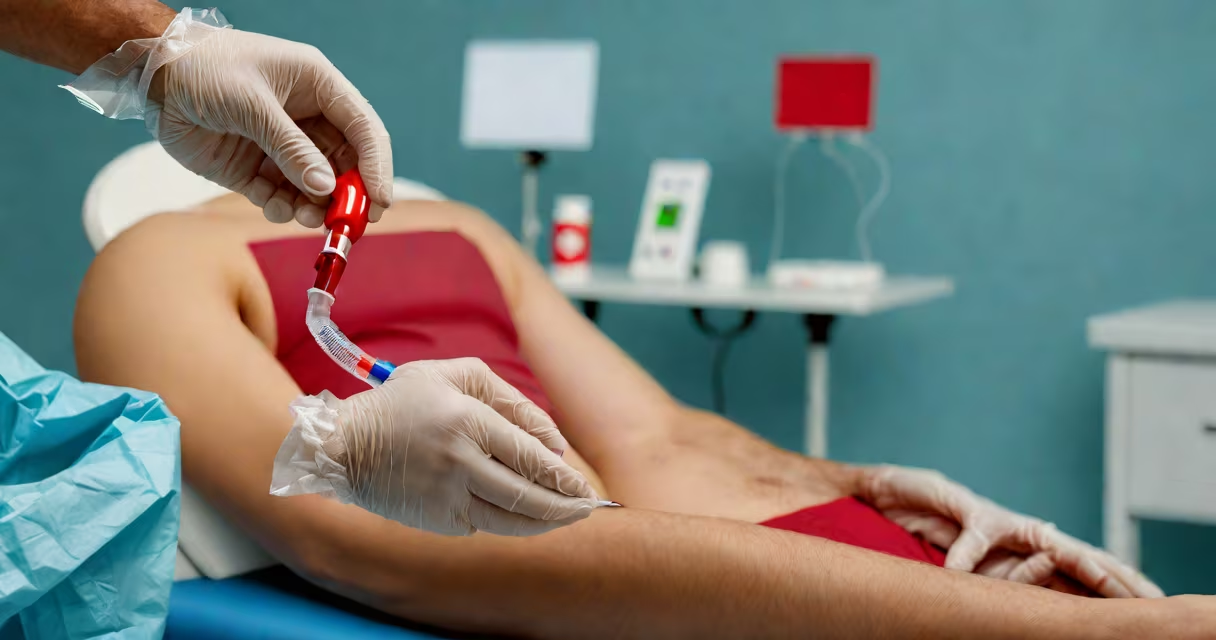
Blood donation is the process of giving whole blood or specific blood components-like plasma or platelets-to help patients in need during surgeries, trauma care, or treatment for diseases such as sickle cell anemia and cancer. A single donation can save up to three lives.
Donated blood is separated into components based on medical need. Red blood cells carry oxygen, platelets help stop bleeding, and plasma supports clotting and immune function. Each component has a different shelf life and use. Whole blood donations are processed within 24 hours of collection.
The American Red Cross reports that someone in the U.S. needs blood every two seconds. Over 4 million blood donations are required annually to meet demand. Without regular donors, hospitals cannot maintain safe inventory levels.
Donors arrive at a mobile unit or blood center, complete a health screening, and provide consent. A trained phlebotomist draws approximately 450 milliliters (about one pint) of blood from a vein in the arm. The process takes 10 to 15 minutes.
After donation, the blood is tested for infectious diseases including HIV, hepatitis B and C, syphilis, and West Nile virus. Results are confidential. If a unit tests positive, the donor is notified through a secure channel.
Donated blood is labeled by blood type and stored under strict conditions. Type O negative is considered the universal donor type because it can be given to anyone in emergencies. Type AB positive is the universal recipient-can receive any blood type-but is rare, making up less than 5% of the population.
There are four main types of blood donation: whole blood, double red cell, apheresis plasma, and platelet donation. Each serves different medical needs and requires varying time commitments.
| Type | Components Collected | Time Required | Frequency |
|---|---|---|---|
| Whole Blood | Red cells, plasma, platelets | 45-60 minutes | Every 56 days |
| Double Red Cell | Two units of red blood cells | 75-90 minutes | Every 112 days |
| Apheresis Plasma | Plasma only | 60-90 minutes | Every 28 days |
| Platelet Donation | Platelets only | 90-120 minutes | Every 7 days (up to 24 times/year) |
Double red cell donation uses a machine to collect two units of red blood cells while returning plasma and platelets to the donor. This method increases efficiency but requires higher hemoglobin levels and larger veins.
Plasma and platelet donations are collected via apheresis, a process where blood is drawn, components separated, and the rest returned. These donations support burn victims, cancer patients, and those undergoing organ transplants.
To donate blood, individuals must be at least 17 years old (16 with parental consent in most states), weigh at least 110 pounds, and be in good health. Donors must not have had recent tattoos, piercings, or travel to areas with high risk of malaria.
According to the FDA, donors must wait 72 hours after consuming alcohol before donating. Low iron levels are a common reason for deferral-about 1 in 5 first-time donors are deferred due to low hemoglobin.
I once observed a mobile blood drive at a university campus. A student with type O negative blood was deferred due to low iron. After iron supplements and a follow-up visit, she donated successfully. Her blood later helped a newborn with Rh incompatibility.
Many people believe they cannot donate if they take medication. Most medications do not disqualify donors. The FDA maintains a list of acceptable drugs, including those for blood pressure, cholesterol, and antidepressants.
Another myth is that donating causes weakness or fatigue. Most donors feel fine afterward. The body replaces lost fluid within 24 hours and red cells within four weeks. Drinking fluids and eating a meal after donation reduces dizziness risk.
Some assume blood donation is painful. The needle prick feels like a quick pinch. Discomfort usually lasts less than a minute. Many donors report feeling calm or proud during the process.
One unit of blood can save up to three lives. For example, a patient with severe trauma may require multiple units during surgery. A child with leukemia may need weekly transfusions during chemotherapy.
Despite high demand, only 3% of eligible Americans donate blood annually. The Red Cross estimates that 1 in 3 people will need blood in their lifetime. Regular donors are critical during seasonal shortages, especially in winter months.
Donors receive a free mini-health check: blood pressure, pulse, temperature, and hemoglobin level. Results are shared immediately. Some centers offer small gifts like water bottles or snacks.
If you're interested in contributing to ongoing research, consider donating blood for studies on reproductive health. While unrelated to standard transfusions, such contributions support broader medical understanding.
Blood donation is a safe, voluntary act that directly impacts patient survival. It requires minimal time, offers immediate health benefits to donors, and sustains healthcare systems nationwide.