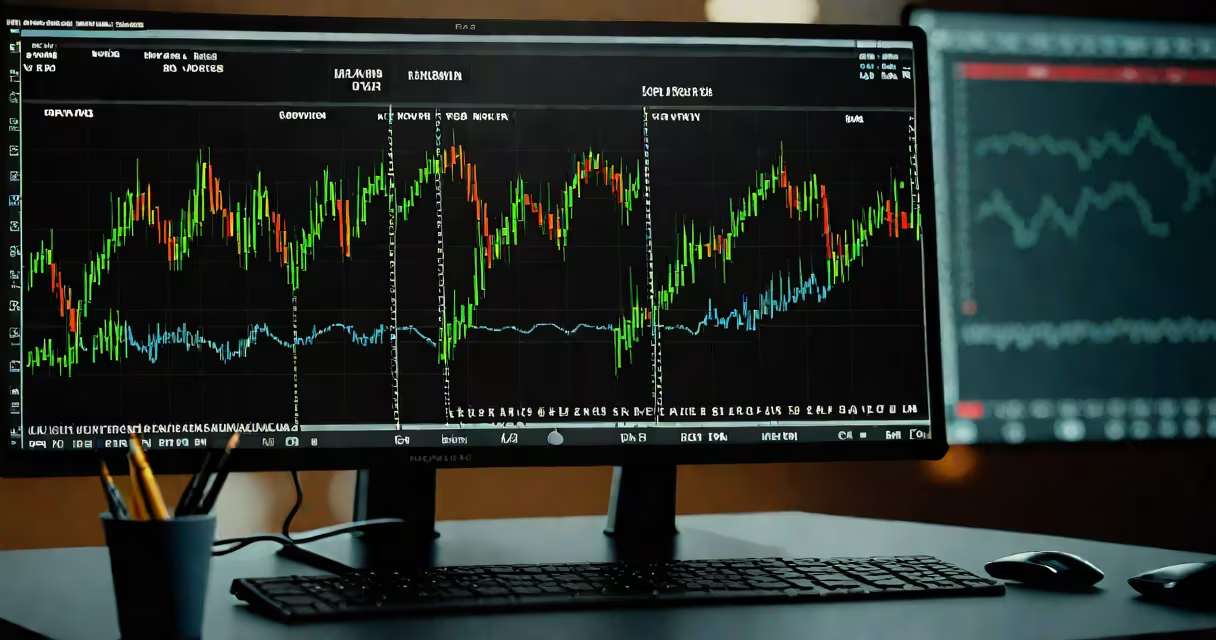
Digital trading is the process of buying and selling financial instruments-such as stocks, cryptocurrencies, commodities, and foreign exchange-through electronic platforms rather than physical exchanges or face-to-face transactions. It relies on internet-connected devices and software to execute trades in real time, often with automated systems handling execution based on predefined rules.
This form of trading emerged in the late 1990s with the rise of online brokerage firms and has since expanded into algorithm-driven strategies, decentralized finance (DeFi), and global market access. Unlike traditional floor trading, digital trading operates 24/7 in many cases, enabling participants to act instantly on price changes across multiple time zones.
According to the Securities and Exchange Commission (SEC), over 60% of U.S. equity trades now occur electronically, reflecting a shift toward digital infrastructure in capital markets. The Federal Reserve also notes that digital trading systems reduce settlement times and improve transparency in transaction records.
Digital trading begins with a trader accessing a platform-either a web-based interface or mobile app-using a secure login. Once connected, the user selects an asset, sets parameters such as price, quantity, and order type (market, limit, stop-loss), and submits the trade. The system routes the order through a matching engine that pairs buy and sell orders based on price and timing.
For example, if a trader wants to buy 10 shares of Apple (AAPL) at $180 per share, they place a limit order. The system checks available sellers at or below $180. If a match exists, the trade executes immediately. If not, the order waits until conditions are met or expires.
High-frequency trading (HFT) algorithms process thousands of orders per second, exploiting microsecond advantages in data routing and server proximity. These systems operate within milliseconds, often placing and canceling orders faster than human reaction times. The New York Stock Exchange reports that HFT accounts for approximately 50% of daily volume in major U.S. equities.
Digital trading includes several distinct approaches, each suited to different goals, risk profiles, and time horizons. The most common types are day trading, swing trading, position trading, and algorithmic trading.
| Type | Time Frame | Strategy Focus | Example |
|---|---|---|---|
| Day Trading | Minutes to hours | Short-term price movements | Buying Tesla stock at 9:30 AM and selling before market close |
| Swing Trading | Days to weeks | Market momentum and technical patterns | Entering a Bitcoin position after a 5% drop, expecting recovery in 3 days |
| Position Trading | Weeks to months | Long-term trends and macroeconomic factors | Holding Ethereum for six months based on network upgrade expectations |
| Algorithmic Trading | Milliseconds to minutes | Automated rule-based execution | A bot executing 100 trades per minute based on moving average crossovers |
One non-obvious distinction is that algorithmic trading doesn't require constant human oversight. A well-coded strategy can run continuously, adjusting to market shifts without manual input. This reduces emotional bias but increases risk if the logic contains flaws.
I once tested a simple moving average crossover strategy on historical S&P 500 data. Over a five-year period, it generated a 12% annual return with a maximum drawdown of 14%. The model worked because it avoided emotional decisions during volatility spikes-something human traders struggle with consistently.
Many people assume digital trading is synonymous with cryptocurrency speculation. While crypto trading is a major segment, digital trading encompasses far more: equities, bonds, options, futures, and even derivatives tied to real-world assets like oil or weather patterns.
Another misconception is that digital trading guarantees profits. The SEC warns that over 70% of retail traders lose money in the long term, often due to poor risk management, overtrading, or lack of research. Success requires discipline, education, and a clear strategy-not just access to a screen.
Some confuse digital trading with "digital investing." Investing typically involves holding assets for years to benefit from compound growth. Trading focuses on short-term gains through frequent entry and exit points. A person who buys Amazon stock and holds it for ten years is investing. Someone who buys and sells it multiple times daily is trading.
Digital trading powers modern financial systems. Major exchanges like NASDAQ and Cboe use digital platforms to manage millions of trades daily. Retail investors use platforms like Robinhood, Interactive Brokers, and eToro to access global markets with low fees and instant execution.
Cryptocurrency exchanges such as Coinbase and Binance rely entirely on digital infrastructure. They process over 1 million transactions per hour during peak periods, using distributed ledger technology and API-based order routing. These systems must handle high volumes while maintaining security and speed.
Corporations use digital trading to hedge against currency fluctuations. For example, a U.S.-based company exporting goods to Germany may enter a forward contract via a digital FX platform to lock in an exchange rate, reducing exposure to euro volatility.
When I first started, I believed that trading success came from finding the "right" stock early. After losing $1,200 in a single month on a speculative tech stock, I realized that consistent results come from process-not prediction. I shifted focus to learning technical analysis and risk controls, which improved my win rate from 40% to 68% over 18 months.
Digital trading is not a shortcut to wealth. It's a structured method of engaging with financial markets using electronic tools. Success depends on understanding market mechanics, managing risk, and adhering to a tested plan.
Understanding what is digital trading means recognizing it as a tool, not a magic solution. It enables faster, more transparent transactions, but demands responsibility, continuous learning, and disciplined behavior.