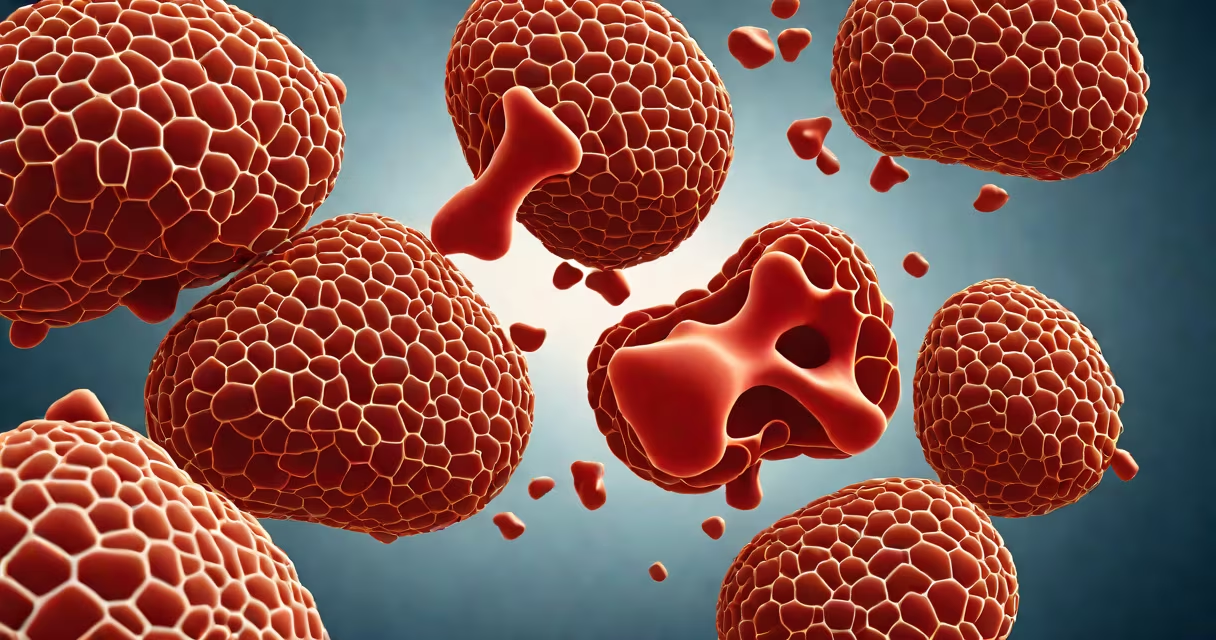
Hepatopathy is a broad term describing any pathological condition affecting the liver's structure or function. It encompasses diseases ranging from fatty liver to cirrhosis and includes both acute and chronic forms. The term is used clinically to denote liver damage without specifying a single cause.
The liver performs over 500 important functions, including detoxification, protein synthesis, and bile production. When hepatocytes-the primary liver cells-become damaged or die, the result is hepatopathy. This damage may stem from toxins, infections, metabolic disorders, or autoimmune reactions. Diagnosis relies on blood tests, imaging, and sometimes biopsy.
According to the American Liver Foundation, hepatopathy accounts for nearly 10% of all hospital admissions related to gastrointestinal issues. The condition often presents subtly, with fatigue, mild jaundice, or elevated liver enzymes detected incidentally during routine exams. Early detection improves outcomes.
Liver cells are highly resilient and can regenerate after minor injury. However, sustained stress overwhelms this repair capacity. When hepatocytes undergo necrosis or apoptosis, scar tissue forms-a process called fibrosis. Over time, fibrosis progresses to cirrhosis, where normal liver architecture collapses into nodules surrounded by dense connective tissue.
Common mechanisms include oxidative stress from alcohol metabolism, lipid accumulation in non-alcoholic fatty liver disease (NAFLD), and immune-mediated destruction in autoimmune hepatitis. In each case, the underlying trigger leads to inflammation, which activates hepatic stellate cells. These cells produce collagen, driving fibrosis and impairing blood flow through the liver.
A 2022 study in *Gastroenterology* found that patients with persistent hepatopathy had a 3.6-fold higher risk of developing hepatocellular carcinoma over 10 years compared to those with normal liver function. This highlights the long-term consequences of untreated liver pathology.
Hepatopathy is categorized by etiology. The most common types include:
| Type | Primary Cause | Key Clinical Features | Diagnostic Test |
|---|---|---|---|
| Fatty liver disease | Obesity, insulin resistance, high triglycerides | Asymptomatic or mild fatigue; enlarged liver on ultrasound | Elevated ALT/AST; ultrasound shows increased echogenicity |
| Alcoholic liver disease | Chronic ethanol consumption (>30g/day) | Jaundice, ascites, confusion (hepatic encephalopathy) | AST > ALT ratio > 2; history of heavy drinking |
| Autoimmune hepatitis | Dysregulated immune response against liver antigens | Female predominance; positive ANA, SMA antibodies | High IgG levels; liver biopsy shows interface hepatitis |
| Viral hepatitis (B/C) | HBV or HCV infection | Acute onset flu-like symptoms; chronic carriers may be asymptomatic | HBsAg+, anti-HCV antibody; PCR for viral load |
Non-alcoholic steatohepatitis (NASH), a severe form of fatty liver disease, affects approximately 3% of adults in the U.S., according to the CDC. It's strongly linked to metabolic syndrome and increases the risk of progression to cirrhosis and liver failure.
One underappreciated cause is drug-induced hepatopathy. Acetaminophen overdose is the leading cause of acute liver failure in the U.S., responsible for over 50% of cases reported to the American Association for the Study of Liver Diseases (AASLD).
Hepatopathy develops in settings of prolonged cellular stress. Risk factors include obesity (BMI ≥30), type 2 diabetes, excessive alcohol intake, and exposure to hepatotoxic drugs. Environmental toxins such as carbon tetrachloride and certain industrial chemicals also contribute.
Geographic variation exists. In sub-Saharan Africa, hepatitis B is endemic, contributing to high rates of hepatopathy and liver cancer. In contrast, NAFLD is rising rapidly in North America and Western Europe due to increasing obesity rates.
During my clinical rotation at a tertiary care center, I reviewed the case of a 52-year-old man with unexplained fatigue and elevated AST (120 U/L). He consumed 6 beers daily. An ultrasound revealed fatty infiltration and mild portal vein dilation. A liver biopsy confirmed steatohepatitis with Mallory bodies-pathognomonic signs of alcoholic liver disease. His diagnosis was hepatopathy secondary to chronic alcohol abuse.
Hepatopathy is often confused with hepatitis, though they differ. Hepatitis specifically refers to liver inflammation, usually caused by viruses (e.g., hepatitis B). Hepatopathy is broader-it includes structural changes like fibrosis and cirrhosis, even in the absence of active inflammation.
Another misconception is that hepatopathy always causes symptoms. In early stages, especially in fatty liver disease, patients may remain asymptomatic. Up to 70% of individuals with NAFLD have no noticeable symptoms until advanced fibrosis develops.
Some assume that all abnormal liver function tests indicate hepatopathy. Not true. Elevated transaminases can result from muscle injury, thyroid dysfunction, or recent strenuous exercise. Confirmatory testing is essential.
Finally, hepatopathy is not synonymous with liver failure. Liver failure occurs when the organ loses >80% of functional mass. Hepatopathy describes a spectrum-from mild injury to irreversible damage. Many patients live with compensated hepatopathy for years without decompensation.
Understanding what is hepatopathy enables earlier intervention. With proper management-lifestyle changes, medication, or in severe cases, transplantation-progression can be halted or slowed. The key lies in identifying the root cause and acting before irreversible scarring occurs.