Hydrogen power generates electricity through chemical reactions in fuel cells, producing only water vapor as a byproduct. It serves as a clean energy carrier for transportation, industry, and energy storage, replacing fossil fuels in high-emission sectors.
Hydrogen power operates by combining hydrogen gas with oxygen in a fuel cell. This electrochemical process produces electricity, heat, and water. Unlike combustion engines, it emits no carbon dioxide during operation. The hydrogen itself is typically produced via electrolysis using renewable electricity, making the entire cycle low-carbon when sourced sustainably.
The U.S. Department of Energy states that hydrogen fuel cells have an efficiency of 40-60%, higher than internal combustion engines (20-30%). This efficiency makes hydrogen viable for long-range, heavy-duty applications where battery weight limits performance.
Hydrogen power relies on fuel cells, which convert chemical energy into electrical energy without burning fuel. Inside a fuel cell stack, hydrogen molecules split into protons and electrons at the anode. Protons pass through a membrane while electrons travel through an external circuit, generating usable current. At the cathode, oxygen combines with protons and electrons to form water.
This process runs continuously as long as hydrogen and oxygen are supplied. Fuel cells operate quietly and produce no particulate emissions. They can scale from small units powering laptops to large systems supplying backup power for data centers.
A 2023 study by the International Energy Agency found that fuel cell electric vehicles (FCEVs) achieve 30-40% better fuel economy than diesel trucks over long-haul routes due to faster refueling and lighter weight compared to batteries.
Hydrogen power is deployed across transportation, industry, and energy infrastructure. In transportation, it powers buses, trucks, trains, and even ships. Japan's Hokkaido Railway Company operates hydrogen-powered trains on regional lines, reducing diesel dependency by 80% on select routes.
Industrial uses include steelmaking and ammonia production. In 2022, Sweden's SSAB launched HYBRIT, a pilot project using green hydrogen instead of coal to reduce iron ore. This process eliminates CO₂ emissions from steel production, a sector responsible for 7% of global emissions.
Energy storage is another major application. Germany's "Power-to-Gas" program converts surplus wind energy into hydrogen, storing it underground for months. When demand rises, the hydrogen is reconverted into electricity via fuel cells. This system helped stabilize the grid during winter peaks in 2023.
| Application Area | Use Case Example | Annual Emissions Avoided (Est.) |
|---|---|---|
| Heavy-Duty Transport | Hydrogen-powered freight trucks in California | 12,000 tons CO₂ equivalent |
| Steel Manufacturing | SSAB's HYBRIT plant in Luleå | 1.5 million tons CO₂/year |
| Grid Storage | Germany's Power-to-Gas facilities | 300,000 tons CO₂/year |
Hydrogen power is often confused with hydrogen as a fuel source. Not all hydrogen is clean. Most currently produced hydrogen comes from steam methane reforming, releasing CO₂. Only hydrogen made via electrolysis using renewable electricity qualifies as green hydrogen.
Another misconception is that hydrogen competes directly with batteries. In reality, they serve different roles. Batteries dominate light-duty vehicles and short-duration storage. Hydrogen excels in long-haul transport, heavy industry, and seasonal energy storage where weight and refueling speed matter.
A non-obvious fact: hydrogen has a lower volumetric energy density than gasoline. One kilogram of hydrogen contains roughly 33 kWh of energy, but occupies 10,000 liters at atmospheric pressure. This requires compression to 700 bar or liquefaction at -253°C-both energy-intensive steps. Thus, the efficiency loss from production and storage reduces net system efficiency by 25-30% compared to direct electrification.
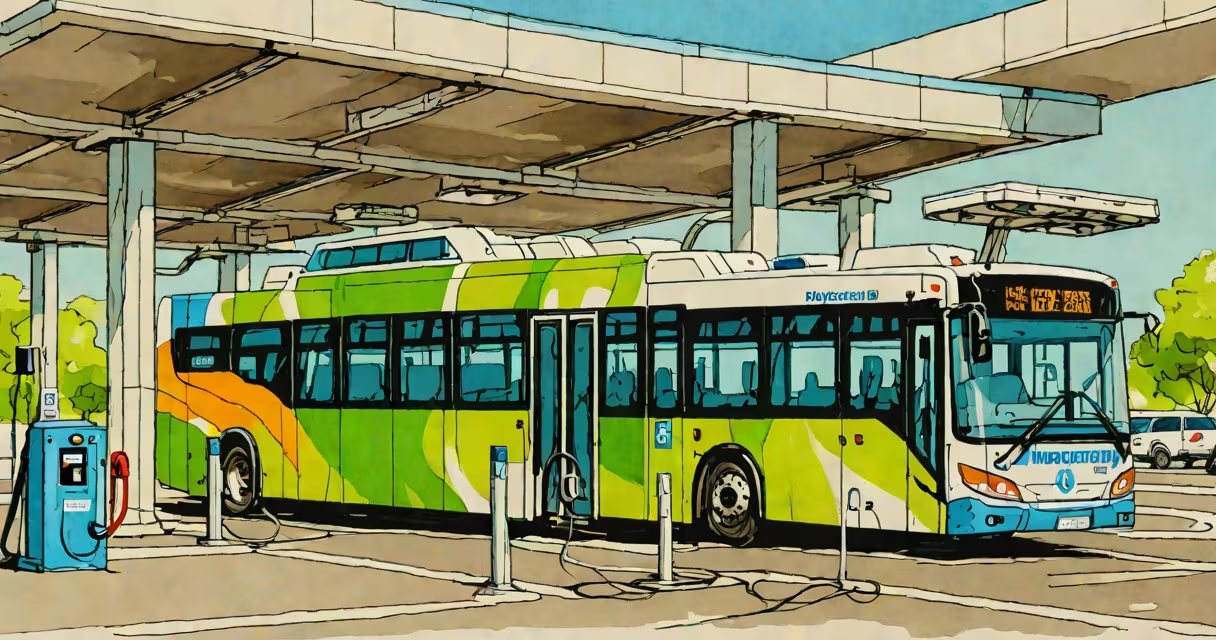
In 2022, I visited a hydrogen refueling station in Los Angeles serving a fleet of fuel-cell buses. The station used solar panels to power electrolyzers, producing hydrogen on-site. Refueling took under five minutes-comparable to diesel-but required strict safety protocols due to hydrogen's flammability range (4-75% in air).
Despite the speed advantage, operational costs remain high. A 2023 report by BloombergNEF estimated that green hydrogen production cost $5.50/kg in Europe, nearly double the $2.80/kg needed for economic competitiveness. Infrastructure investment remains a barrier, with only 1,200 hydrogen refueling stations globally as of 2023.
Hydrogen power supports decarbonization in hard-to-abate sectors. The European Commission's Green Deal targets 10 million tonnes of domestic green hydrogen by 2030. The U.S. Inflation Reduction Act allocates $9 billion for clean hydrogen projects, including grants for regional hubs.
For transportation, hydrogen offers a path to zero-emission long-haul freight. Companies like NFI Group and Daimler Trucks are deploying hydrogen-powered delivery vans in urban areas. These vehicles have a 600-km range and refuel in 10 minutes-critical for logistics networks requiring constant uptime.
Understanding the role of hydrogen power helps clarify its place in sustainable energy. While not a universal solution, it fills critical gaps in mobility, manufacturing, and storage. Its deployment depends on scaling green hydrogen production and building dedicated infrastructure.
Hydrogen power is used to decarbonize sectors where direct electrification is impractical. From steel mills to intercity buses, it enables clean operations where emissions must be eliminated. As production costs fall and regulations tighten, its adoption will grow across industries.