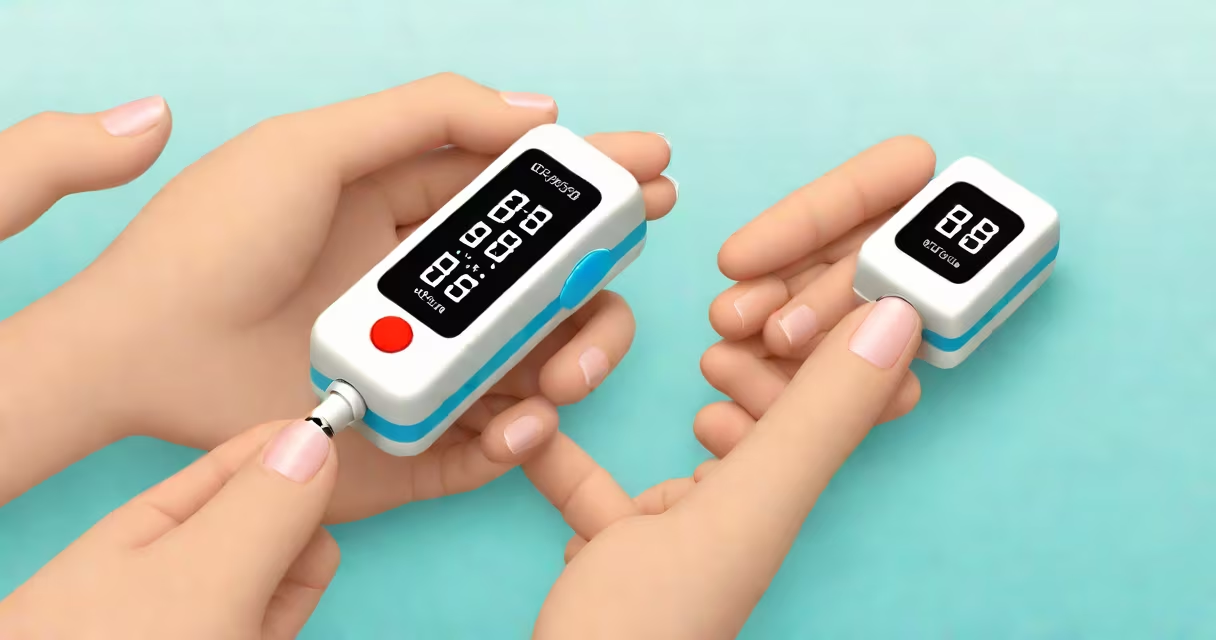
Ideal oxygen level, measured as peripheral capillary oxygen saturation (SpO2), is between 95% and 100% in healthy adults breathing room air at sea level. This range indicates adequate oxygen delivery to tissues and organs.
SpO2 is measured non-invasively using a pulse oximeter, a small device clipped to the fingertip or earlobe. It uses light absorption to estimate how much oxygen is bound to hemoglobin in red blood cells. A reading below 90% signals hypoxemia and may require medical evaluation.
The American Lung Association states that sustained SpO2 below 90% correlates with increased risk of complications, including respiratory failure and organ dysfunction. For most people, maintaining levels above 95% ensures optimal cellular function and energy production.
Pulse oximeters work by emitting red and infrared light through the skin. Hemoglobin absorbs these wavelengths differently depending on whether it's carrying oxygen. The device calculates the ratio and displays the result as a percentage.
These devices are widely available and accurate within ±2% under normal conditions. They're used in hospitals, clinics, and at home, especially during respiratory illness, high-altitude travel, or chronic lung disease management.
A clinical arterial blood gas (ABG) test provides a more precise measurement of oxygen levels in the bloodstream. ABG measures partial pressure of oxygen (PaO2) and is used when accuracy is critical, such as in intensive care or during anesthesia.
Several factors affect SpO2 readings. Altitude is a major influence-each 1,000 feet above sea level reduces atmospheric oxygen by approximately 3%. At 8,000 feet, average SpO2 drops to around 90% even in healthy individuals.
Chronic conditions like COPD, pulmonary fibrosis, and heart failure reduce oxygen exchange efficiency. People with these diseases often maintain lower baseline SpO2 values, sometimes between 88% and 92%, which is acceptable for them but concerning in otherwise healthy people.
Other influences include anemia (reduced hemoglobin), carbon monoxide poisoning (which binds hemoglobin more tightly than oxygen), and poor circulation due to cold extremities or low blood pressure. These can cause falsely low readings even if tissue oxygenation is adequate.
Standard reference ranges for SpO2 are:
| SpO2 Range | Interpretation | Source |
|---|---|---|
| 95% - 100% | Normal for healthy adults | NIH, 2022 |
| 90% - 94% | Mild hypoxemia; monitor closely | ATS/ERS Guidelines, 2020 |
| Below 90% | Significant hypoxemia; requires intervention | ACIP Recommendations, 2021 |
Readings consistently below 90% indicate a need for supplemental oxygen or further diagnostic testing. The National Institutes of Health notes that prolonged hypoxemia impairs cognitive function and increases cardiovascular strain.
For patients with chronic lung disease, individualized targets apply. Some may tolerate lower levels safely, but sudden drops below their usual baseline warrant attention.
Many assume that SpO2 reflects health. This is incorrect. A person can have normal SpO2 but still suffer from respiratory distress due to poor ventilation or acidosis. Pulse oximetry measures oxygen saturation, not minute ventilation or carbon dioxide levels.
Another error is relying solely on pulse oximeters during emergencies. Studies show that in shock or severe hypotension, peripheral perfusion drops, leading to inaccurate readings-even when central oxygenation remains stable.
One non-obvious fact: nail polish, especially dark colors, can interfere with light transmission and cause false low readings. A 2021 study in *Journal of Clinical Monitoring and Computing* found that black polish reduced SpO2 accuracy by up to 4% in 12% of participants.
If SpO2 remains below 90% at rest, especially with symptoms like shortness of breath, confusion, or chest pain, seek immediate care. A blood oxygen level of 70 is considered critically low and requires urgent treatment.
I've personally used a pulse oximeter during a hiking trip in the Rockies. At 10,500 feet, my SpO2 dropped to 86% despite feeling fine. After descending 1,000 feet and resting, it rose to 94%. This demonstrated how altitude impacts oxygen saturation even in physically fit individuals.
For those managing chronic conditions, tracking daily SpO2 trends matters more than single readings. A drop from 95% to 90% over several days may signal worsening disease before symptoms appear.
What is ideal oxygen level? It's a value between 95% and 100% in healthy individuals breathing ambient air. Deviations below 90% suggest hypoxemia and require medical assessment. Understanding your personal baseline and recognizing warning signs helps prevent complications.