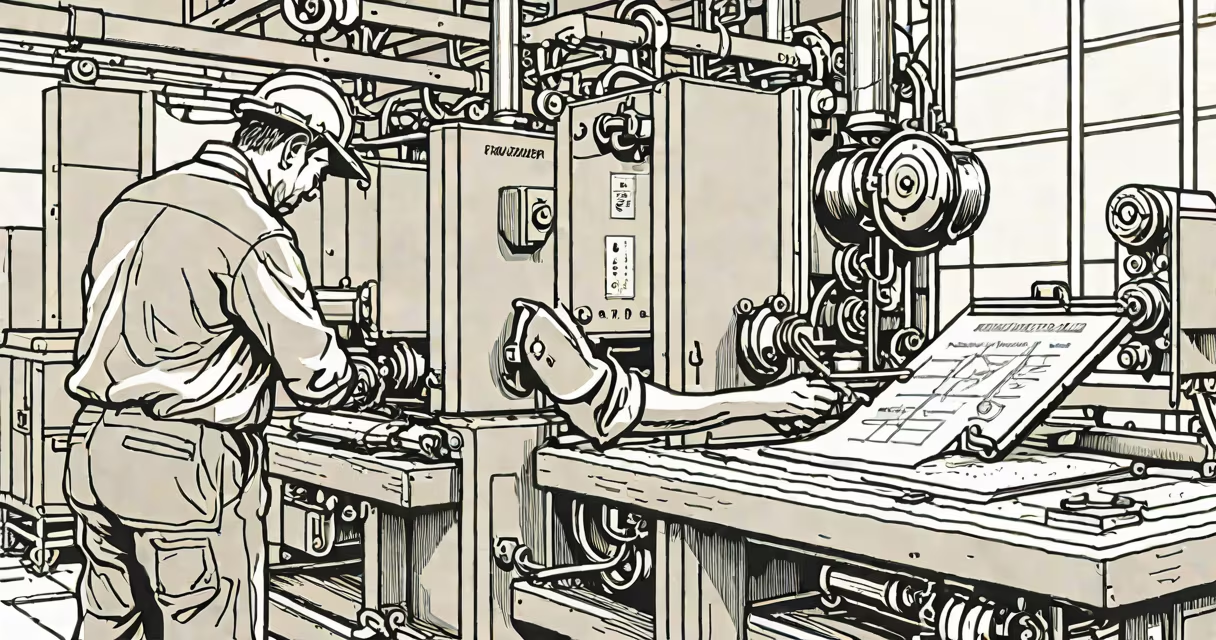
Kaizen methodology is a systematic approach to continuous improvement in workflows, processes, and systems through small, consistent changes. Originating in post-WWII Japan, it emphasizes employee involvement, waste reduction, and sustained operational excellence across industries.
The core idea is that lasting progress comes not from large-scale overhauls, but from daily, measurable improvements. This philosophy underpins much of modern lean management and is widely applied in manufacturing, healthcare, software development, and office operations.
For example, a production team might reduce setup time by 15 seconds per machine change through minor adjustments to tool placement and operator sequence-small changes that compound into significant time savings over weeks and months.
Kaizen operates on the principle that improvement is not a one-time event but a constant state of refinement. Teams identify inefficiencies-such as redundant steps, delays, or resource waste-and implement low-cost, low-risk solutions.
Each improvement cycle follows a structured feedback loop: observe a process, collect data, propose a change, test it, measure results, and standardize the new method if successful. This ensures changes are evidence-based and sustainable.
A hospital department using kaizen reduced patient wait times by 22% over six months. Staff documented bottlenecks during intake, rearranged appointment scheduling software, and trained receptionists on new triage protocols-all without major capital investment.
While kaizen is often described as a single concept, it includes distinct forms based on scale and implementation. The most common are:
| Type | Description | Example |
|---|---|---|
| Continuous Improvement (Kaizen) | Ongoing, small-scale enhancements driven by frontline staff. | Reorganizing tools in a mechanic's toolbox to save 30 seconds per repair. |
| Large-Scale Kaizen Events | Time-bound, cross-functional workshops targeting specific problems. | A two-day workshop to redesign warehouse layout, cutting travel distance by 40%. |
| Planned Kaizen | Predefined, strategic improvements with defined goals and timelines. | Rolling out automated inventory tracking across five distribution centers. |
One non-obvious distinction: continuous improvement focuses on daily habits, while kaizen events are episodic and require dedicated planning. Confusing the two leads to misaligned expectations-events fail when treated as routine, and ongoing efforts stall when over-structured.
According to the Lean Enterprise Institute, organizations that embed kaizen culture see 15-30% higher productivity within 12 months, compared to those relying solely on top-down directives.
Many assume kaizen requires expensive technology or external consultants. In reality, it thrives on human observation and simple tools. A single sticky note suggesting a better way to stack boxes can trigger a chain of improvements.
Another misconception is that kaizen applies only to factories. While it originated in Japanese auto plants like Toyota, it now powers service delivery in banks, schools, and tech firms. A customer support team using kaizen reduced average call handling time by 18% through standardized response templates and peer review sessions.
I once observed a retail store manager using kaizen to improve restocking. Instead of waiting for inventory alerts, employees began checking high-traffic shelves every 90 minutes. Over four weeks, out-of-stocks dropped from 12% to 3%. The change required no new software-just a revised schedule and accountability logs.
Kaizen methodology is not a fad. It's rooted in principles validated by decades of industrial research. The Japanese Ministry of Economy, Trade and Industry reports that companies adopting kaizen saw a 20% average reduction in defect rates between 2010 and 2020.
Its strength lies in democratizing problem-solving. Unlike traditional management models that centralize decision-making, kaizen empowers every team member to suggest and test improvements. This reduces resistance to change and builds ownership.
When implemented correctly, kaizen becomes part of organizational DNA. It's not about perfection-it's about progress. A single 5% improvement per week compounds to nearly 300% growth over a year, assuming consistency.